Redutor de engrenagem helicoidal Materiais da roda de bronze: Estanho, Alumínio, Fósforo
Uma comparação metalúrgica das três famílias de bronze utilizadas na fabricação de redutores de engrenagem helicoidal na Coreia e em outros países asiáticos — composição, propriedades mecânicas, expectativa de vida útil e regras de substituição para especificação de kits de reposição de dentes.
A roda de bronze é a superfície de desgaste projetada de todos os redutores de engrenagem helicoidal — a peça que se desgasta gradualmente ao longo de 25.000 a 40.000 horas de operação, evitando o desgaste do eixo helicoidal de aço. Três famílias de bronze dominam a fabricação de redutores de engrenagem helicoidal na Coreia, Japão e China: bronze de estanho CuSn12 (o modelo moderno e robusto), bronze de alumínio CuAl10Fe5Ni5 (o especialista em altas cargas) e bronze fosforoso CuSn5P (a opção econômica tradicional). Cada uma oferece uma combinação distinta de custo, vida útil, tolerância à pressão de contato e comportamento de atrito. O artigo a seguir aborda a composição, as propriedades, a adequação à aplicação e as regras de substituição que os engenheiros de compras precisam considerar ao encomendar kits de reposição de dentes para bases instaladas com diferentes gerações de equipamentos.
CuSn12
88% Cu / 12% Sn
Cavalo de trabalho — Padrão de catálogo moderno, desgaste e custo equilibrados.
CuAl10Fe5Ni5
80% Cu/10% Al/5% Fe/5% Ni
Especialista em cargas pesadas — Tolerância de pressão de contato de bronze estanhado de 1,5×.
CuSn5P
94,5% Cu / 5% Sn / 0,5% P
Legado/economia — unidades mais antigas, anteriores a 1985, e especificações orçamentárias.
Por que o bronze (e não o aço) para a roda sem-fim?
A escolha do bronze em vez do aço para a engrenagem sem-fim é a decisão mais importante em termos de materiais no projeto de um redutor de engrenagem sem-fim, e o raciocínio por trás disso pode parecer contraintuitivo à primeira vista. O bronze é mais macio que o aço, menos resistente ao desgaste sob contato deslizante e mais caro por quilograma. No entanto, todos os redutores de engrenagem sem-fim modernos utilizam bronze para a engrenagem e aço para o sem-fim — e essa relação é fruto de uma escolha de engenharia, não por acaso.
O raciocínio opera em três níveis. Primeiro, o bronze sobre o aço produz menor atrito no contato deslizante do que o aço sobre aço — por um fator de aproximadamente 1,5 a 2 vezes menor sob lubrificação típica. Menor atrito significa menos calor gerado, maior eficiência de engrenamento e maior vida útil do lubrificante. Segundo, o bronze se deforma plasticamente sob alta tensão de contato de forma controlada e gradual — o desgaste se distribui por toda a zona de contato do dente, em vez de se concentrar em cavidades ou marcas de desgaste. Terceiro, o bronze protege sacrificialmente o eixo sem-fim, que é mais caro. A roda de bronze é o consumível projetado; ela é substituída a cada 25.000 a 40.000 horas por meio de um kit de recondicionamento de dentes, enquanto o eixo sem-fim de aço permanece utilizável durante toda a vida útil da carcaça da caixa de engrenagens.
Dentro da família de ligas de bronze, três subcategorias dominam a fabricação de redutores de engrenagem helicoidal em fábricas coreanas e asiáticas. Suas composições e compensações de engenharia diferem o suficiente para que a escolha entre elas altere significativamente tanto o custo inicial quanto a viabilidade econômica em 10 anos.
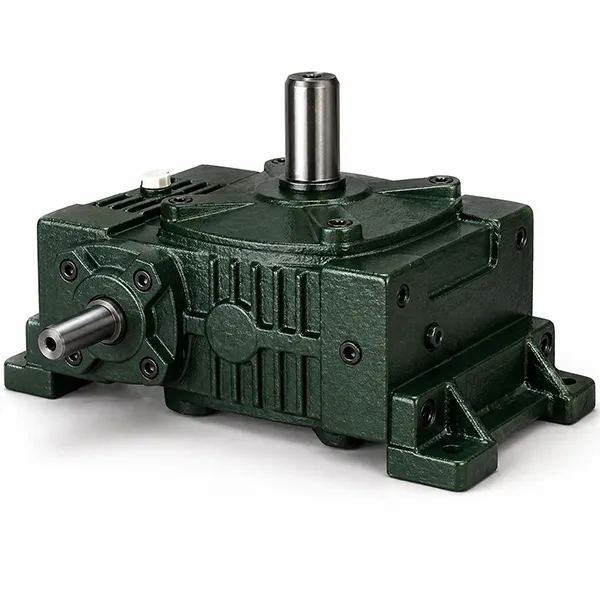
Três famílias de bronze utilizadas na fabricação de redutores de engrenagem helicoidal
As três famílias de bronze diferem principalmente no teor de elementos de liga, que controlam a dureza, a tolerância à pressão de contato, o comportamento de fricção e a resistência à corrosão. Os elementos de liga característicos são o estanho (o formador tradicional do bronze), o alumínio (substituto do estanho em ligas de alta resistência) e o fósforo (adicionado ao bronze de estanho para conferir fluidez à fundição). As próximas três seções abordam cada uma delas em detalhes, mas a distinção fundamental reside na composição resumida acima.
Um fabricante de redutores de engrenagem helicoidal normalmente mantém em estoque uma família de bronze como padrão de catálogo — mais comumente CuSn12 em fábricas coreanas modernas, CuAl10Fe5Ni5 em fábricas industriais pesadas na Índia e na China — e oferece as outras como alternativas sob encomenda. A substituição entre famílias em kits de reposição de dentes segue regras específicas (abordadas na seção de regras de substituição abaixo), pois o comportamento da engrenagem resultante difere mesmo quando as dimensões coincidem exatamente.
Bronze de estanho (CuSn12) — O cavalo de batalha moderno
O bronze de estanho CuSn12 é o metal mais utilizado na fabricação de engrenagens helicoidais para redutores em fábricas modernas na Coreia, Japão e China. O teor de estanho 12% proporciona o equilíbrio ideal entre dureza, ductilidade, comportamento de fricção e consistência de fundição exigido para o deslizamento da engrenagem helicoidal sobre o bronze.
▣ PROPRIEDADES PRINCIPAIS
- ▸ Dureza: 80-95 HB (Brinell)
- ▸ UTS: 280-330 MPa
- ▸ Tensão de contato admissível: 380-420 MPa
- ▸ Coeficiente de atrito (lubrificado): 0,04-0,07
- ▸ Vida útil: 25.000-40.000 h
✓ MELHOR PARA
- → Transportadores e misturadores industriais em geral
- → Trabalho contínuo de intensidade leve a moderada
- → Macacos de parafuso de construção em i ≥ 30
✗ EVITE PARA
- ✗ Pressão de contato sustentada > 380 MPa
- ✗ Ambientes marinhos/ricos em cloreto
O CuSn12 se destaca como a opção padrão com melhor custo-benefício, pois o estanho tem preço moderado, o processo de fundição é bem conhecido nas fundições coreanas e a roda resultante atende à vida útil especificada no catálogo para aplicações industriais típicas. Para a maioria das aplicações em acionamentos de transportadores, misturadores, indexadores e equipamentos de elevação leves, nenhum outro bronze oferece uma relação custo-benefício melhor.
Bronze de alumínio (CuAl10Fe5Ni5) — O especialista em altas cargas
O bronze de alumínio substitui o estanho por alumínio e adiciona ferro e níquel como elementos de reforço. O resultado é um bronze substancialmente mais duro e resistente, capaz de suportar pressões de contato sustentadas de 1,5 a 1,8 vezes maiores que o CuSn12. A desvantagem é o maior atrito, menor eficiência de malha e um custo unitário 30-40% mais elevado.
▣ PROPRIEDADES PRINCIPAIS
- ▸ Dureza: 140-180 HB
- ▸ UTS: 600-700 MPa
- ▸ Tensão de contato admissível: 580-680 MPa
- ▸ Coeficiente de atrito (lubrificado): 0,06-0,10
- ▸ Vida útil: 35.000-55.000 h
✓ MELHOR PARA
- → Levantamento de cargas pesadas (cimento, mineração)
- → Elevadores de canecas com carga de choque
- → Ambientes marinhos e com cloreto
✗ EVITE PARA
- ✗ Operação contínua em alta velocidade (penalidade por calor)
- ✗ Aplicações leves com restrições de custo
A liga CuAl10Fe5Ni5 possui especificações robustas para aplicações em alimentadores de matérias-primas de cimento, elevadores de canecas em acionamentos auxiliares de mineração e instalações de redutores de engrenagem helicoidal em máquinas de convés marítimas. Sua resistência à corrosão por cloretos é significativamente superior à do bronze de estanho, tornando-a a especificação padrão para aplicações de redutores de engrenagem helicoidal em embarcações marítimas e offshore, independentemente da classe de carga.
Bronze fosforoso (CuSn5P) — A opção tradicional e econômica
O bronze fosforoso CuSn5P utiliza um teor de estanho inferior (5% vs 12%), com fósforo atuando como auxiliar de fluidez na fundição e um endurecedor moderado. É mais macio, menos resistente ao desgaste e mais barato que o CuSn12. A maioria das engrenagens helicoidais de redutores fabricadas antes de 1985 eram fundidas em bronze fosforoso; o uso atual em catálogos tem migrado para o CuSn12, deixando o CuSn5P principalmente como substituto para engrenagens helicoidais em unidades antigas e como uma opção econômica para aplicações de baixa exigência.
▣ PROPRIEDADES PRINCIPAIS
- ▸ Dureza: 60-75 HB
- ▸ UTS: 220-260 MPa
- ▸ Tensão de contato admissível: 290-330 MPa
- ▸ Coeficiente de atrito (lubrificado): 0,05-0,08
- ▸ Vida útil: 18.000-25.000 h
✓ MELHOR PARA
- → Substituição de dentes da unidade anterior a 1985
- → Inversores de frequência econômicos para serviço leve e cargas reduzidas
- → Restauração histórica fiel à época
✗ EVITE PARA
- ✗ Catálogo moderno de uso classificado para serviço pesado
- ✗ Cargas sustentadas acima de 290 MPa de contato
Matriz de comparação de materiais
A matriz abaixo reúne todas as propriedades das três seções detalhadas em uma única tabela de referência cruzada. As células destacadas indicam a posição de cada bronze em relação aos outros em determinada propriedade.
| Propriedade | CuSn12 (Estanho) |
CuAl10Fe5Ni5 (Alumínio) |
CuSn5P (Fósforo) |
|---|---|---|---|
| Dureza (HB) | 80-95 | 140-180 | 60-75 |
| UTS (MPa) | 280-330 | 600-700 | 220-260 |
| Tensão de contato admissível (MPa) | 380-420 | 580-680 | 290-330 |
| Coeficiente de atrito (lubrificado) | 0.04-0.07 | 0.06-0.10 | 0.05-0.08 |
| Faixa de eficiência da malha | 75-85% | 68-80% | 72-82% |
| Corrosão (cloreto/marinha) | Moderado | Excelente | Moderado |
| Vida útil (h) | 25-40 mil | 35-55 mil | 18-25 mil |
| Custo relativo do material | 1,0× | 1,4× | 0,7× |
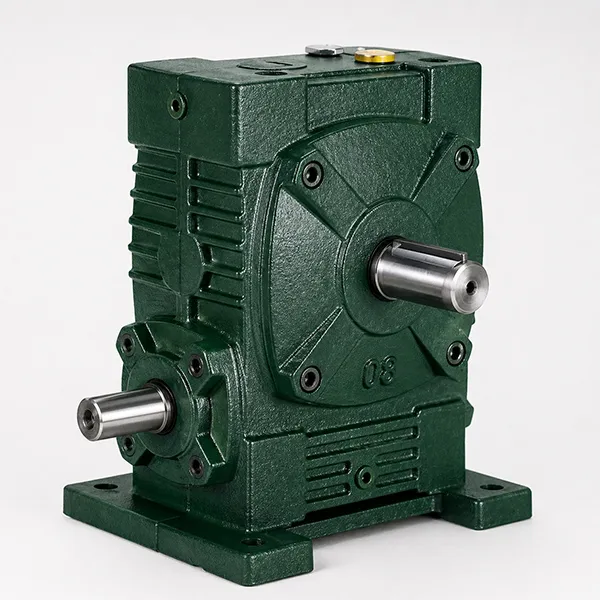
Expectativas de vida útil em diferentes materiais
A vida útil é a métrica prática que mais preocupa os engenheiros de compras — com que frequência a engrenagem helicoidal do redutor precisará ser substituída? A visualização abaixo mostra as expectativas típicas de vida útil sob operação contínua com carga nominal de catálogo e lubrificante sintético PAG ISO VG 220. Os resultados em campo variam de acordo com o ciclo de trabalho, a viscosidade do lubrificante e a temperatura ambiente. Para um contexto mais amplo de solução de problemas, incluindo como reconhecer o desgaste próximo ao limite da engrenagem, consulte nosso [link para o guia/recurso específico]. guia de solução de problemas.
FAIXA DE VIDA ÚTIL (HORAS, FUNCIONAMENTO NOMINAL)
Ao longo de uma vida útil típica de 80.000 horas da carcaça da caixa de engrenagens, uma roda de CuSn12 necessita de aproximadamente 2 a 3 substituições de dentes; uma roda de CuAl10Fe5Ni5 necessita de 1 a 2; e uma roda de CuSn5P necessita de 3 a 4. Cada substituição de dentes acarreta o custo de mão de obra para desmontagem, abertura da carcaça, substituição da roda, reabastecimento do lubrificante e nova execução do perfil de teste — tipicamente de 4 a 8 horas de mão de obra especializada por unidade. O cálculo do orçamento de manutenção ao longo da vida útil favorece materiais de maior durabilidade mais do que os números de custo unitário isoladamente sugerem.
Regras de Substituição de Materiais do Kit de Re-Dentotagem
Substituir uma família de bronze por outra durante a troca dos dentes nem sempre é simples. A roda de substituição deve encaixar corretamente no eixo sem-fim existente, suportar a carga nominal do catálogo e não introduzir atrito que sobrecarregue a carcaça ou as vedações. Três regras determinam quando a substituição funciona corretamente e quando não funciona. Para kits de troca de dentes compatíveis em bronze e aço para as três famílias de materiais, consulte nosso catálogo de referência. pares de sem-fim e roda dentada.
REGRA 01 — ATUALIZAÇÃO SEMPRE FUNCIONA
CuSn5P → CuSn12 → CuAl10Fe5Ni5: a substituição por um material com dureza superior sempre funciona. O material substituto suporta a classe de carga original com margem extra e vida útil mais longa.
REGRA 02 — REDUÇÃO DE CLASSIFICAÇÃO APENAS COM ALTERAÇÃO REDUZIDA
CuAl10Fe5Ni5 → CuSn12 → CuSn5P: somente quando a aplicação operar abaixo do limite de tensão de contato da roda inferior. Reduza o fator de segurança (SF) e, consequentemente, diminua a vida útil.
REGRA 03 — O DELTA DE ATRITO AFETA O CONDUTOR TÉRMICO
O bronze de alumínio 30-50% aumenta o atrito da malha em comparação com o bronze de estanho. A substituição do bronze de alumínio em uma estrutura de bronze de estanho exige uma nova verificação da capacidade térmica na temperatura de projeto do óleo.
Para engenheiros de compras que gerenciam uma base instalada de equipamentos de diferentes gerações, a prática mais segura é especificar o CuSn12 como material padrão para a substituição dos dentes em todas as marcas de redutores de engrenagem helicoidal e manter um estoque de bronze de alumínio para aplicações marítimas, de mineração e de alimentação de cimento. O bronze fosforoso raramente é necessário hoje em dia, exceto para a restauração de unidades históricas anteriores a 1985, respeitando a fidelidade histórica. Veja os modelos modernos. catálogo de redutores de engrenagem helicoidal para estruturas dimensionadas que correspondam às três famílias de materiais, tanto para carcaças de ferro fundido quanto de alumínio.
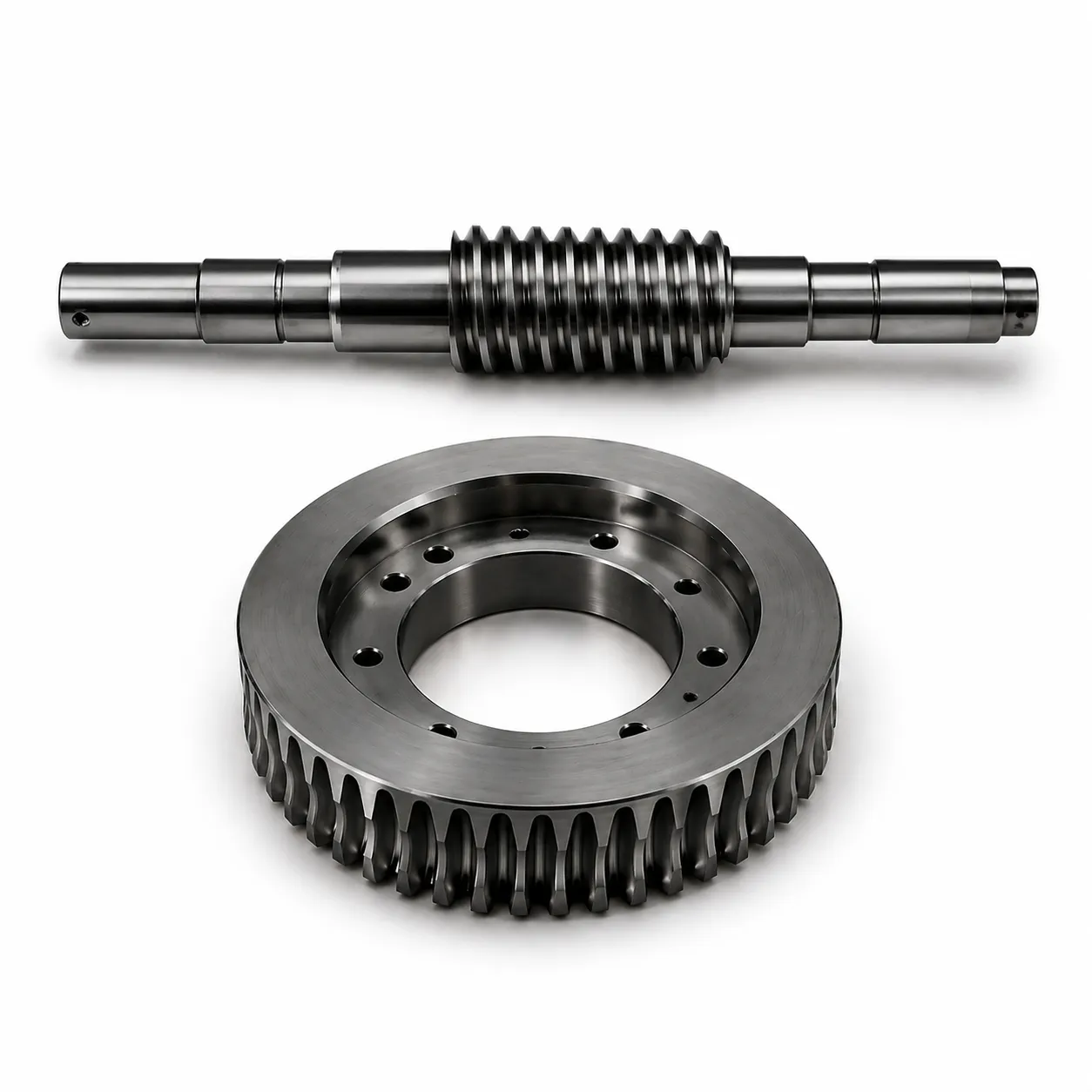
Perguntas frequentes sobre a seleção de materiais de bronze
P: Como posso identificar o material de bronze em um redutor de engrenagem helicoidal existente se a placa de identificação não o especificar?
A: Três métodos indiretos. Primeiro, a idade — unidades anteriores a 1985 quase sempre usam bronze fosforoso CuSn5P; unidades de 1985 a 2000 usam CuSn5P ou CuSn12, dependendo do fabricante; unidades posteriores a 2000 quase sempre usam CuSn12, exceto quando a aplicação exige bronze de alumínio. Segundo, a cor — o bronze de estanho novo tem uma tonalidade mais amarelada do que o bronze de alumínio (que tem uma tonalidade bronze-avermelhada) ou o bronze fosforoso (que é mais acinzentado). Terceiro, o teste de dureza — um testador Brinell portátil confirma o material em até 5 minutos após a abertura da carcaça para manutenção.
P: O bronze de alumínio 40% sempre justifica o seu custo adicional como material?
R: Somente quando a classe de carga ou o ambiente justificarem. Para pressões de contato sustentadas acima de 380 MPa, a maior vida útil compensa o custo adicional do material ao longo da vida útil da roda. Em ambientes marinhos/com cloreto, a resistência à corrosão evita o custo de substituição prematura após a degradação da superfície do CuSn12. Para acionamentos de esteiras transportadoras e misturadores industriais de rotina com carga moderada, o CuSn12 oferece melhor equilíbrio entre custo e vida útil — o bronze de alumínio, mais duro, na verdade reduz a vida útil devido ao aumento do calor gerado pelo atrito nessas aplicações.
P: Como a escolha do lubrificante influencia a seleção do material de bronze?
A: O PAG sintético com aditivos EP é adequado para as três famílias e aumenta a vida útil da roda em 10-15% em cada uma delas. O CLP mineral é aceitável em CuSn12 e CuSn5P, mas acelera o desgaste em bronze-alumínio sob carga pesada — o pacote de aditivos é mais importante na roda mais dura. Para bronze-alumínio em aplicações marítimas, especifique um PAG de grau marítimo com aditivos resistentes a cloretos. As fichas técnicas dos fabricantes de redutores de engrenagem helicoidal geralmente incluem o grau de lubrificante recomendado para cada material de roda do catálogo.
P: Existem especificações de bronze de grau alimentício para rodas redutoras de engrenagem helicoidal na indústria de processamento de alimentos?
A: O próprio bronze é aceitável para contato com alimentos, de acordo com a especificação padrão CuSn12 — tanto o cobre quanto o estanho são aprovados pela Lei de Higiene Alimentar da Coreia e regulamentações equivalentes em toda a Ásia. A interação que vale a pena verificar é a do lubrificante: o PAG mineral ou sintético padrão não é de grau alimentício, portanto, as instalações de redutores de engrenagem helicoidal para processamento de alimentos especificam lubrificantes de grau alimentício NSF H1. O material da roda permanece CuSn12 — nenhuma substituição por bronze é necessária para contato com alimentos.
P: Quanto tempo duram as rodas de bronze reciclado ou de sucata fundida em comparação com o material de fusão virgem?
A: Fundições coreanas de boa reputação, que utilizam material fundido a partir de sucata, produzem rodas com vida útil de 5 a 10% em comparação com rodas fabricadas com material virgem — a diferença se deve ao teor de inclusões, e não à qualidade da liga. Rodas mais baratas, de origem asiática, fundidas a partir de sucata de baixa qualidade, podem apresentar vida útil de 30 a 50% menor, devido às inclusões que concentram o desgaste na zona de contato. Para especificações em que a vida útil da roda é um fator crítico em termos financeiros, priorize fundições com certificação de qualidade do material fundido (ISO 9001 e relatórios de testes de materiais por lote de fundição).
P: Um redutor de engrenagem helicoidal pode usar uma roda de aço em vez de bronze para ciclos de trabalho muito baixos?
A: Tecnicamente possível, mas raramente implementado em projetos. O engrenamento aço-aço produz um atrito 2 a 3 vezes maior do que o aço-bronze, o que reduz a eficiência do engrenamento e eleva as temperaturas da carcaça acima da capacidade de lubrificação. O aumento do calor gerado pelo atrito é tão severo que as rodas de aço só são encontradas em acionamentos de posicionamento de baixa velocidade com manivela, onde o uso intermitente de baixa potência torna o problema do calor administrável. Para qualquer especificação de redutor de engrenagem helicoidal acionado por motor, o bronze continua sendo essencialmente a única opção.
Precisa de um redutor de engrenagem helicoidal com a especificação de bronze correta?
Envie a solicitação informando a classe de carga, o ambiente (marinho/cimentício/alimentício), o ciclo de trabalho e a relação de transmissão. Nossa equipe de engenharia coreana retornará uma recomendação de material de bronze com informações sobre a estrutura, a relação de transmissão, a vida útil esperada e o planejamento do intervalo de troca dos dentes em 24 a 48 horas.
Editor: Cxm