Zamjenski kodovi i ekvivalenti za Fenner pužni mjenjač
Serije FU, FV i FA mapirane na korejske i međunarodne ekvivalente - veličine okvira, mjesta za montažu, ekvivalent obrtnog momenta/omjera i greške u unakrsnom referenciranju koje se javljaju na terenu.
Fenner je priznato ime u snabdijevanju pužnih mjenjača još od ranih decenija britanskog industrijskog pogonskog inženjerstva, sa porodicama proizvoda FU za montažu na podnožje, FV sa šupljim provrtom i FA pod pravim uglom koje su specificirane za hiljade instalacija širom svijeta. Kako se originalni brend Fenner konsolidovao pod više korporativnih matičnih kompanija tokom posljednjih decenija, nabavka originalnih OEM jedinica postala je sporija i skuplja - što je povećalo potražnju za tabelama za unakrsno pretraživanje koje identifikuju ekvivalente za ugradnju od korejskih, italijanskih i kineskih proizvođača. Članak u nastavku prikazuje glavne Fenner serije, odnose veličine okvira i prenosnog omjera, kompatibilnost montažnog prostora, matematiku ekvivalencije performansi i greške u unakrsnom pretraživanju koje "ugradnju" pretvaraju u četveronedeljnu preradu.
Zašto je Fennerova pretraga unakrsnih referenci važna kod pogona iz 2026. godine
Inženjerski timovi koji održavaju instalirane baze Fenner pužnih mjenjača suočavaju se s tri konvergentna pritiska. Prvo, rokovi isporuke originalnih proizvođača (OEM) produžili su se s nekoliko dana na nekoliko sedmica otkako se Fenner konsolidovao u proizvodnji. Drugo, tražena cijena za originalne zamjenske dijelove marke Fenner porasla je za 30-60% u odnosu na nivoe prije 2020. godine na većini tržišta. Treće, tehnička podrška za naslijeđene serije često zahtijeva obraćanje specijalizovanim službama čije se vrijeme odziva mjeri u danima, a ne satima.
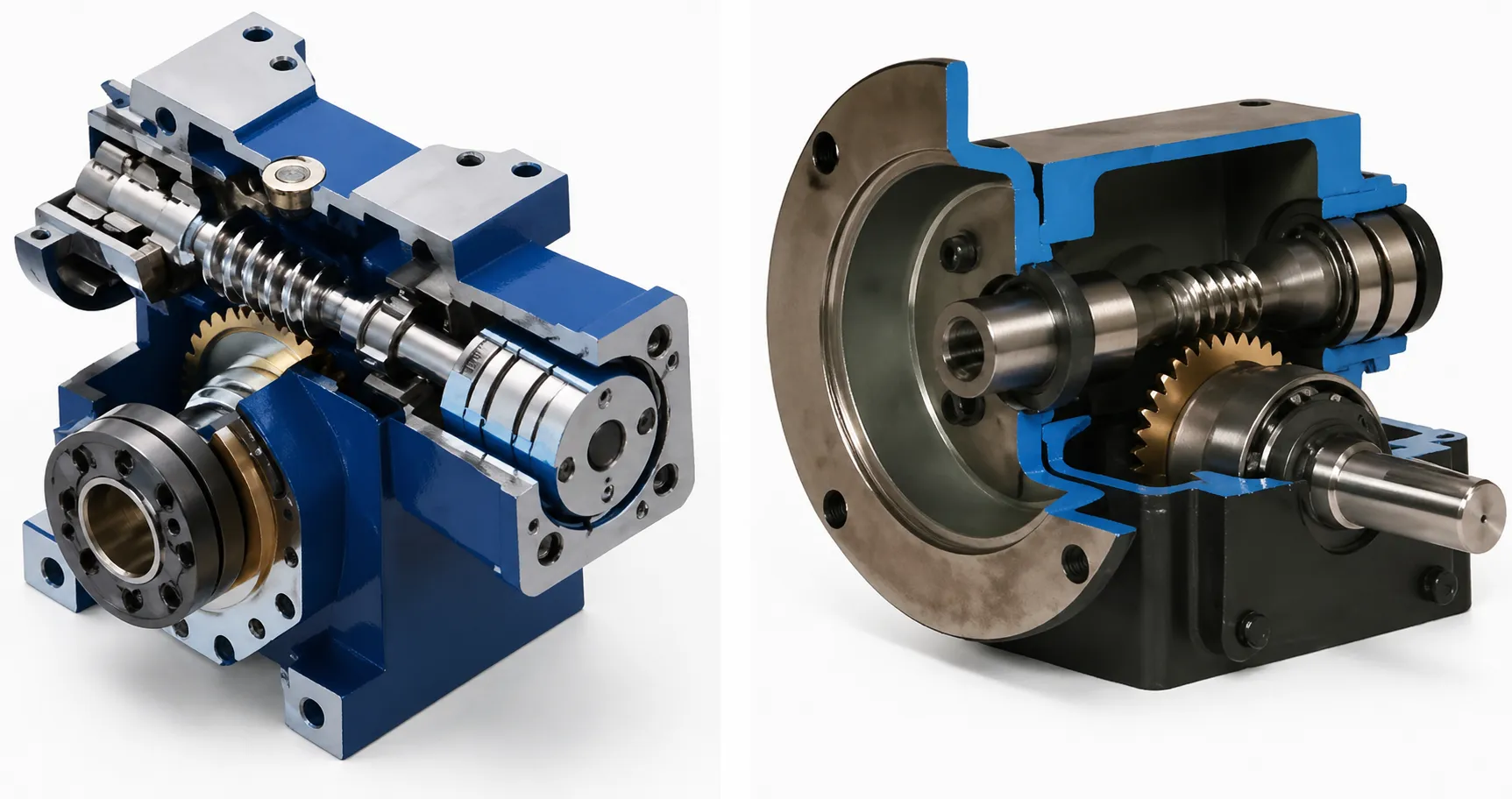
Zamjena unakrsnim referencama korištenjem ekvivalenata korejske ili italijanske proizvodnje obično donosi smanjenje kapitalnih troškova 40-60% i kraće vrijeme isporuke za 1-3 sedmice - ali samo kada je zamjena pravilno projektirana. Unakrsna referenca je više od pukog podudaranja izlaznog obrtnog momenta s natpisne pločice; uzorak montažnih vijaka, promjer izlaznog vratila, veličina šupljeg otvora, preciznost omjera i kapacitet ulja moraju se uskladiti prije nego što zamjenski pužni reduktor zaista bude dostupan.
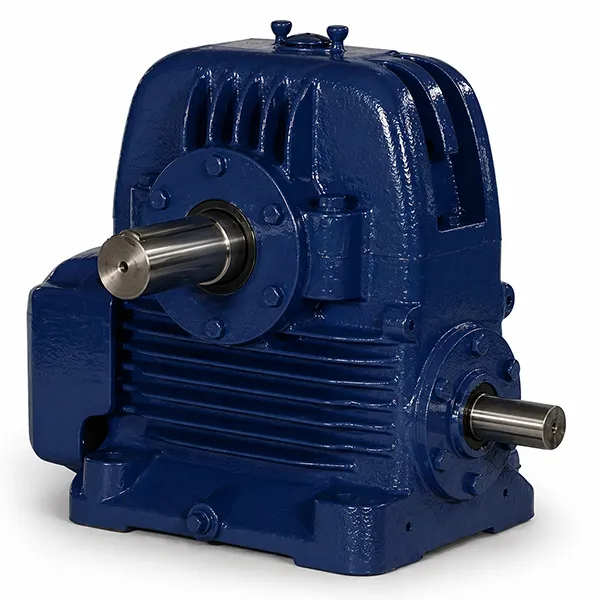
Fenner FU serija — Porodična karta montirana na stopalo
FU je serija horizontalnih pužnih reduktora s montažom na podnožje, najučinkovitiji pužni reduktor iz Fenner asortimana i najčešće se susreće u zahtjevima za unakrsnim referencama. Veličine okvira kreću se od FU40 (najmanja) do FU1300 (najveća standardna kataloška veličina), pri čemu numerički dio aproksimira središnju udaljenost između osi puža i kotača u milimetrima.
| Fennerov kod | Udaljenost od centra | Izlazni obrtni moment (Nm) | Korejski ekvivalent |
|---|---|---|---|
| FU40 | 40 mm | 15-45 | NMRV 040 / WPA 40 |
| FU50 | 50 mm | 35-95 | NMRV 050 / WPA 50 |
| FU63 | 63 mm | 75-180 | NMRV 063 / WPA 63 |
| FU75 | 75 mm | 130-330 | NMRV 075 / WPA 80 |
| FU100 | 100 mm | 280-680 | NMRV 110 / WPA 100 |
| FU125 | 125 mm | 540-1,250 | NMRV 130 / WPA 120 |
| FU1000 | 100 mm (FU100/1000) | 280-680 | FU1000 direktni ekvivalent |
Raspon izlaznog obrtnog momenta zavisi od odabranog prenosnog odnosa - niži prenosni odnosi daju niži obrtni moment pri većoj izlaznoj brzini; viši prenosni odnosi daju veći obrtni moment pri nižoj brzini. Isti Fenner FU75 okvir može se specificirati od i = 10 (izlaz 130 Nm) do i = 60 (izlaz 330 Nm) pri konstantnoj ulaznoj snazi.
Fenner FV serija — Unakrsna referenca za šuplje otvore
FV je varijanta pužnog reduktora sa šupljim provrtom gdje je izlaz šuplje vratilo koje klizi direktno preko vratila pogonjene opreme, eliminirajući potrebu za vanjskim spojem. Uobičajeno u primjenama transportera, miksera i agitatora. Numerički broj okvira odgovara FU seriji; prečnik provrta je parametar koji pokreće odabir unakrsne reference.
FV50 / FV63 / FV75
Mali okvir sa šupljom rupom
Prečnik otvora je tipično 25-32 mm. Najčešća meta unakrsnog referenciranja — direktno se podudara s korejskom WPDS porodicom.
Ekvivalent: WPDS 50/63/80
FV100 / FV125
Šuplji provrt srednjeg okvira
Prečnik otvora je tipično 35-45 mm. Često se koristi na remenicama glave trakastih transportera; unakrsne reference na korejsku porodicu WPDKS.
Ekvivalent: WPDKS 100/120
FV150 / FV185 / FV230
Teški okvir sa šupljom cijevi
Prečnik otvora je tipičan 55-90 mm. Teški industrijski agitatori i veliki transporteri. Manje uobičajeno u unakrsnim bazama podataka - pažljivo provjerite omjer.
Ekvivalent: WPDKS 150/180/230
Fenner FA / FB varijante pod pravim uglom — Izbor
Serija FA je standardna konfiguracija pužnog reduktora pod pravim uglom gdje su ulazna i izlazna osovina okomite (pomak od 90°). FB dodaje integralnu izlaznu prirubnicu za direktnu montažu na prirubnicu pogonjene mašine. Oba dijele konvenciju numeriranja središnjeg rastojanja pužnog reduktora FU.
FA unakrsno upućivanje je jednostavno: bilo koji korejski pužni reduktor serije NMRV ili WP konfiguriran za puno izlazno vratilo služi kao ugradbeni ekvivalent pod uvjetom da se središnje rastojanje podudara. FB unakrsno upućivanje zahtijeva provjeru kruga vijaka izlazne prirubnice i promjera pilota - oni se razlikuju između europskih, korejskih i japanskih konvencija čak i pri identičnim nominalnim veličinama. Odjeljak o kompatibilnosti montažnog otiska u nastavku detaljno opisuje provjeru uzorka vijaka.
Dekoder unakrsnih referenci — Čitanje Fennerovih kodova okvira
Kompletan kod Fenner pužnog reduktora sadrži pet informacija: seriju, veličinu okvira, prijenosni omjer, varijantu montaže i oznaku motora. Dekodiranje svakog dijela vam omogućava da odredite tačan korejski ekvivalent unakrsne reference, umjesto da ga približno određujete samo na osnovu veličine okvira.
ANATOMIJA FENNEROVOG KODIRANJA — PRIMJER: FU75-30-B5-IEC100
FU75-30-B5-IEC100
FU
Identifikator serije — F = Fenner, U = horizontalna montaža na stopalo
75
Veličina okvira — međuosno rastojanje 75 mm između osi puža i kotača
30
Omjer — jednostepeni redukcijski odnos i = 30:1
B5
Varijanta montaže — IEC B5 prirubnički nosač motora
IEC100
Okvir motora — IEC 100 raspored prirubnice/vratila motora (tipično 2,2-3 kW pri 1400 o/min)
Kompatibilnost nosača montaže — Kada se ugradnja vrši putem Drop-In sistema
Zamjenski pužni reduktor je pravi izbor samo kada se šestodimenzionalne provjere podudaraju s originalom. Neuspjeh bilo koje provjere prisiljava ili obradu osnovne ploče, izradu prilagođenog adaptera ili ponovni odabir zamjene - što produžava vremenski okvir instalacije na dane ili sedmice.
⌬ Provjera 01 — Raspored vijaka stopala (dužina × širina × krug vijaka)
Izmjerite centre četiri montažna vijka na postojećem Fenneru. Evropski okviri obično koriste M10 / M12 / M16 u stepenastim intervalima; korejski ekvivalenti pužnih reduktora se uglavnom podudaraju, ali provjerite decimale prije bušenja.
⌬ Provjera 02 — Visina izlaznog vratila od baze
Udaljenost središnje linije izlaznog vratila od ravni montaže stopala. Fenner FU75 je obično 90 mm; korejski NMRV 075 je također 90 mm - ali italijanski WPA 80 je 95 mm, što zahtijeva podešavanje podloške od 5 mm.
⌬ Provjera 03 — Prečnik i dužina izlaznog vratila
Puni prečnik vratila, dimenzije žljeba za klin i dužina produžetka vratila. Neusklađenosti prisilne zamjene spojnice čak i kada je mjenjač pravilno pričvršćen vijcima.
⌬ Provjera 04 — Prirubnica motora (IEC vs NEMA vs prilagođena)
Evropski Fenner koristi IEC; neke starije instalacije koriste NEMA; neke prilagođene prirubnice postoje na namjenskim mašinama. Prvo uskladite postojeću prirubnicu motora; tek onda odredite korejsku zamjenu.
⌬ Provjera 05 — Smjer rotacije izlaza
Rotacija pužnog mjenjača zavisi od smjera navoja puža (desni ili lijevi). Većina Fenner jedinica su standardno desnoruke; provjerite na postojećoj jedinici prije specificiranja.
⌬ Provjera 06 — Kompatibilnost spoja osovine pogonskog sklopa
Za instalacije gdje pužni reduktor pokreće nizvodno PTO ili kardansko vratilo pužnog reduktora, provjerite kompatibilnost izlazne prirubnice ili vratila sa postojećim pogonskim vratilom. Pogledajte povezane napomene o pogonsko vratilo i usklađivanje CV zglobova za industrijske mjenjače.
Ekvivalent performansi — Usklađivanje izlaznog obrtnog momenta i prenosnog omjera
Samo mehaničko prilagođavanje nije dovoljno za unakrsnu referencu pužnog reduktora - performanse se također moraju podudarati. Tri parametra definiraju ekvivalent performansi: izlazni obrtni moment pri navedenom omjeru, ulazna snaga i raspon ulazne brzine. Vizualni grafikon ispod prikazuje kako se performanse korejskog NMRV 075 preslikavaju na Fenner FU75 opseg za uobičajene omjere.
PREGLED PERFORMANSI — FU75 u odnosu na NMRV 075 (izlazni obrtni moment pri ulaznoj snazi od 1,5 kW)
i = 10
130-138 Nm
i = 20
218-228 Nm
i = 30
280-290 Nm
i = 40
315-325 Nm
i = 60
325-335 Nm
Korejski NMRV 075
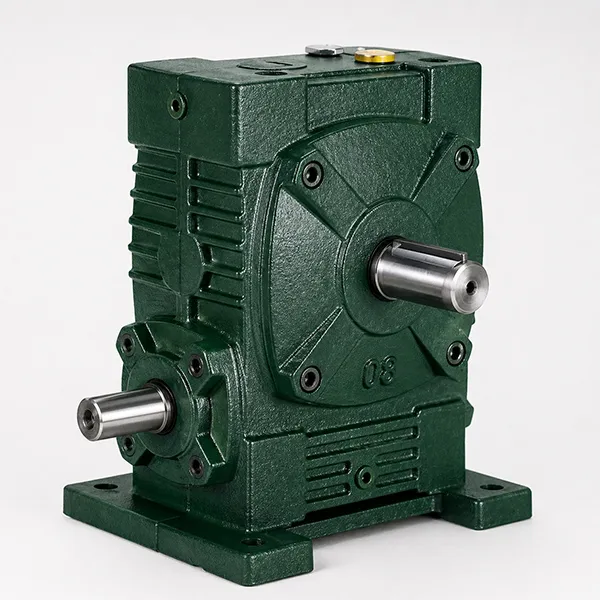
U svim standardnim omjerima, korejski NMRV 075 isporučuje 95-104% izlaznog momenta Fenner FU75 pri usklađenom ulazu. Raspon od 0-4% je unutar inženjerske sigurnosne margine - unakrsna referenca pužnog reduktora je pravi ekvivalent performansi, a ne zamjena koja zahtijeva smanjenje radnog kapaciteta.
Uobičajene greške u unakrsnom povezivanju koje dovode do neuspjelih instalacija
Pet ponavljajućih grešaka uzrok je većine neuspjelih instalacija pužnih reduktora. Svaka od njih se može spriječiti ispravnim korakom provjere prije naručivanja - ali trošak preskakanja provjere obično premašuje trošak samog pužnog reduktora zbog izgubljenog vremena zastoja.
⚿ GREŠKA 01
Broj okvira za čitanje kao nazivni moment
FU75 je međuosna udaljenost, a ne izlazni obrtni moment od 75 Nm. Određivanje samo prema broju rama bez omjera dovodi do neusklađene isporuke obrtnog momenta.
⚿ GREŠKA 02
Preskakanje verifikacije prirubnice motora
„To je IEC, to je standard“ — osim što neke Fenner instalacije koriste naslijeđene NEMA ili prilagođene prirubnice. Provjerite na stvarnoj jedinici, a ne na osnovu pretpostavke iz kataloga.
⚿ GREŠKA 03
Ignorisanje historije faktora usluge
Ako je originalni Fenner odabran sa SF 1.5 za udarne uslove rada, zamjenski pužni reduktor mora imati isti faktor upotrebe - ne samo da odgovara izlaznom obrtnom momentu navedenom na natpisnoj pločici.
⚿ GREŠKA 04
Ne mjeri se prije naručivanja
Dimenzije u katalogu se povremeno razlikuju od izvedenih jedinica, posebno na starijim instalacijama. Prije naručivanja izvršite fizička mjerenja (razmak između osovina, visina osovine, raspored vijaka).
⚿ GREŠKA 05
Slijepo vjerovanje online tabelama unakrsnih referenci
Generičke baze podataka s unakrsnim referencama ne uključuju naslijeđene varijante i jedinice posebne izrade. Provjerite s inženjerskim timom proizvođača prije nego što se odlučite za zamjenu.
Često postavljana pitanja o zamjeni pužnog mjenjača Fenner
P: Kako da pronađem originalni Fenner kod ako je natpisna pločica nečitljiva?
A: Tri mjerenja identificiraju okvir s preciznošću do jedne veličine. Udaljenost između središta - direktno mjerenje od središnje linije pužnog vratila do središnje linije vratila kotača kroz kućište. Prečnik izlaznog vratila i utor za klin. Raspored vijaka za montažu (od centra do centra između četiri vijka za stopu). Ova tri broja se preslikavaju na jedinstvenu veličinu okvira u Fenner FU/FV/FA tabelama. Unakrsno upućivanje na korejski ekvivalent zatim određuje iste tri dimenzije plus omjer (izračunato iz broja okretaja ulaznog vratila u odnosu na broj okretaja izlaznog vratila).
P: Da li su korejski NMRV ekvivalenti direktno kompatibilni sa svim veličinama Fenner FU?
A: Za veličine okvira s međuosnim razmakom od 40-150 mm, NMRV je obično direktno ugradbeni okvir s odgovarajućim otiskom za montažu, izlaznim vratilom i IEC prirubnicom motora. Veličine okvira iznad međuosnog razmaka od 150 mm povremeno se razlikuju — Fenner jedinice s teškim okvirom ponekad koriste vlasničke obrasce montaže koji zahtijevaju prilagođene adapterske ploče. Provjerite dimenzijske crteže prije nego što se odlučite za FU150 i više.
P: Kolika je tipična ušteda kapitala na korejskom ekvivalentu u odnosu na originalni Fenner OEM?
A: Smanjenje kapitalnih troškova za 40-60% je tipično za direktne unakrsne reference na uobičajene veličine okvira (FU50 do FU125). Varijante s teškim okvirom i prilagođene varijante smanjuju razliku na 25-40% jer korejski proizvođači također naplaćuju premije za nestandardne konfiguracije. Uštede u vremenu isporuke su obično 1-3 sedmice kraće nego kod OEM Fenner kanala za korejske ekvivalente na lageru. Pregledajte naše kompletan katalog pužnih reduktora za unakrsne reference veličina s raspoloživošću na zalihama.
P: Da li unakrsno pozivanje poništava garanciju proizvođača originalne opreme na pogonjenu mašinu?
A: Generalno ne, pod uslovom da zamjenski pužni reduktor odgovara ili premašuje originalne OEM specifikacije (izlazni obrtni moment, faktor servisa, kompatibilnost montaže). Garancija originalne opreme obično zahtijeva da zamjenski dijelovi ispunjavaju originalne specifikacije, a ne da nose originalni brend. Provjerite uslove servisiranja proizvođača pogonjene opreme; pribavite pismenu potvrdu o prihvatanju za unakrsnu referencu ako je oprema još uvijek pod garancijom.
P: Kako da rukujem Fenner jedinicama koje su isporučene unaprijed montirane s motorom kao jednim sklopom?
A: Prethodno montirane jedinice reduktora i motora (Fenner mjenjač + motor kao fabrički sklop) najbolje se upoređuju zamjenom cijelog sklopa, a ne odvajanjem komponenti. Korejski proizvođači nude usklađene sklopove reduktora i motora u istim IEC rasponima okvira. Zajedno navedite okvir pužnog reduktora, prijenosni omjer i snagu/napon/IP zaštitu motora; rezultirajuća unakrsna referenca odgovara instalacijskom otisku i električnom sučelju originalnog sklopa.
P: Koju dokumentaciju trebam dostaviti prilikom zahtjeva za Fennerovu ponudu za unakrsnu referencu?
A: Za najbrži odgovor, dostavite šest stavki: kompletan Fenner kod sa postojeće natpisne pločice, fotografiju postojeće jedinice koja prikazuje orijentaciju montaže, fotografiju natpisne pločice, opis primjene (pogonska mašina, radni sati, ambijent), unesite detalje o motoru (snaga, napon, okvir) i svu prethodnu historiju servisiranja (nedavne izmjene ulja, popravke). Sa ovih šest stavki, naš inženjerski tim obično vraća kompletnu ponudu sa mehaničkim crtežima u roku od 24-48 sati.
Trebate specifičan Fennerov kod sa unakrsnim referencama?
Pošaljite nam vaš Fenner kod, kontekst primjene, detalje o motoru i fotografiju natpisne pločice. Naš korejski inženjerski tim vraća verifikovanu unakrsnu referencu sa dimenzijskim crtežima, podacima o performansama i dostupnošću zaliha u roku od 24-48 sati.
Urednik: Cxm