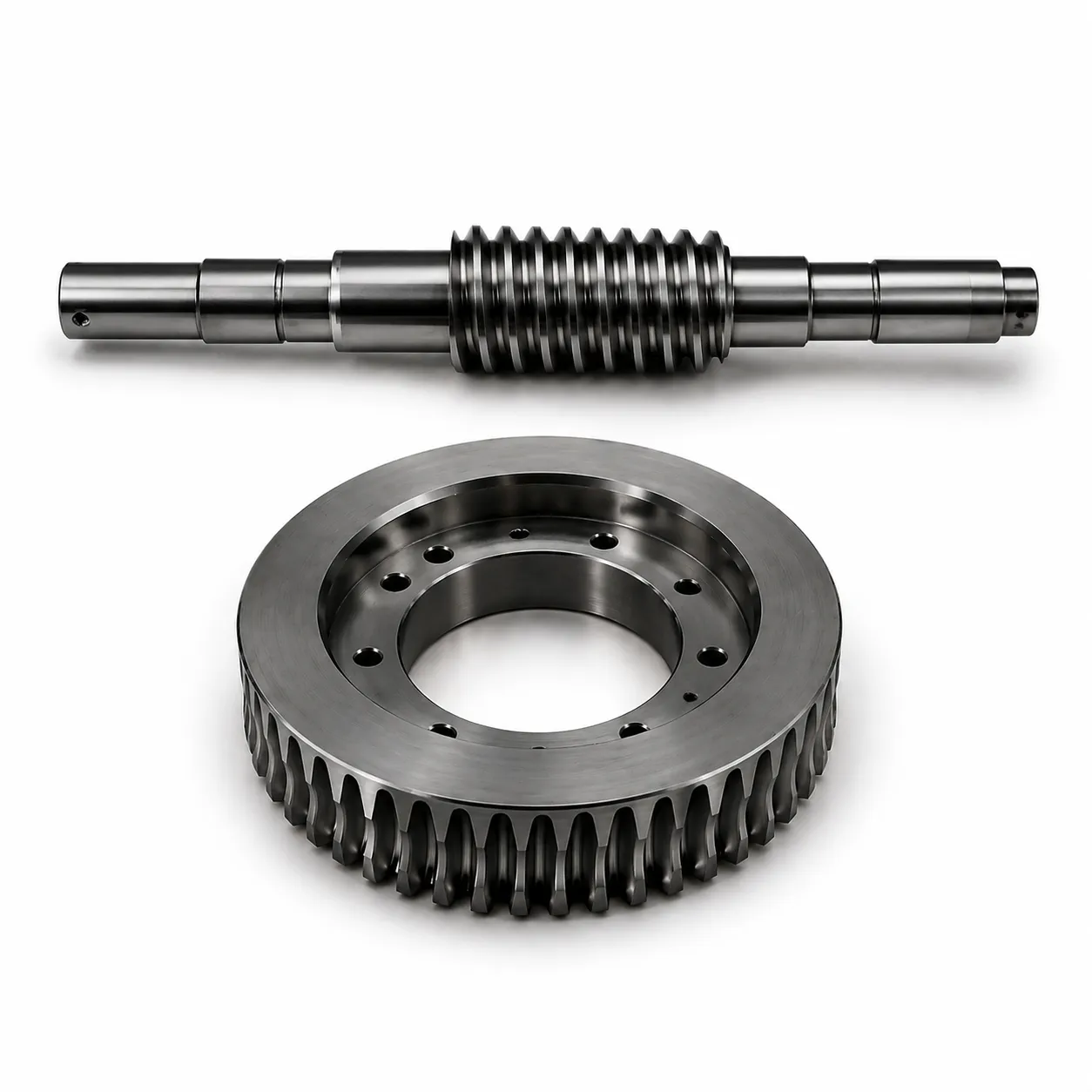
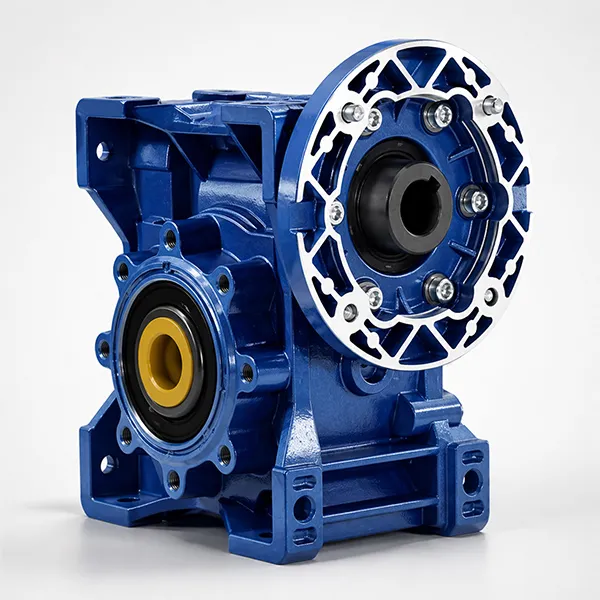
Aquaculture — the farming of fish, shellfish, seaweed and other aquatic organisms — is the fastest-growing food production sector globally, surpassing wild-capture fisheries in total volume and providing over 50% of the world’s fish for human consumption. Every aquaculture production system, whether a floating marine cage in open ocean, an earthen pond in a tropical river delta, a concrete raceway at a mountain trout farm, or a high-technology recirculating aquaculture system (RAS) in an urban industrial building, relies on mechanised equipment for feeding, aeration, water circulation, cage handling and harvesting. The worm gear reducer serves aquaculture at feed dispenser drives (metering pellets at precise flow rates to optimise fish growth), aeration paddle wheel and surface aerator drives (maintaining dissolved oxygen levels for fish survival), cage net winch drives (raising and lowering net pens for harvesting and maintenance), water gate and sluice actuators (controlling water flow between ponds and treatment systems), and drum filter and biofilter circulation drives in RAS facilities.
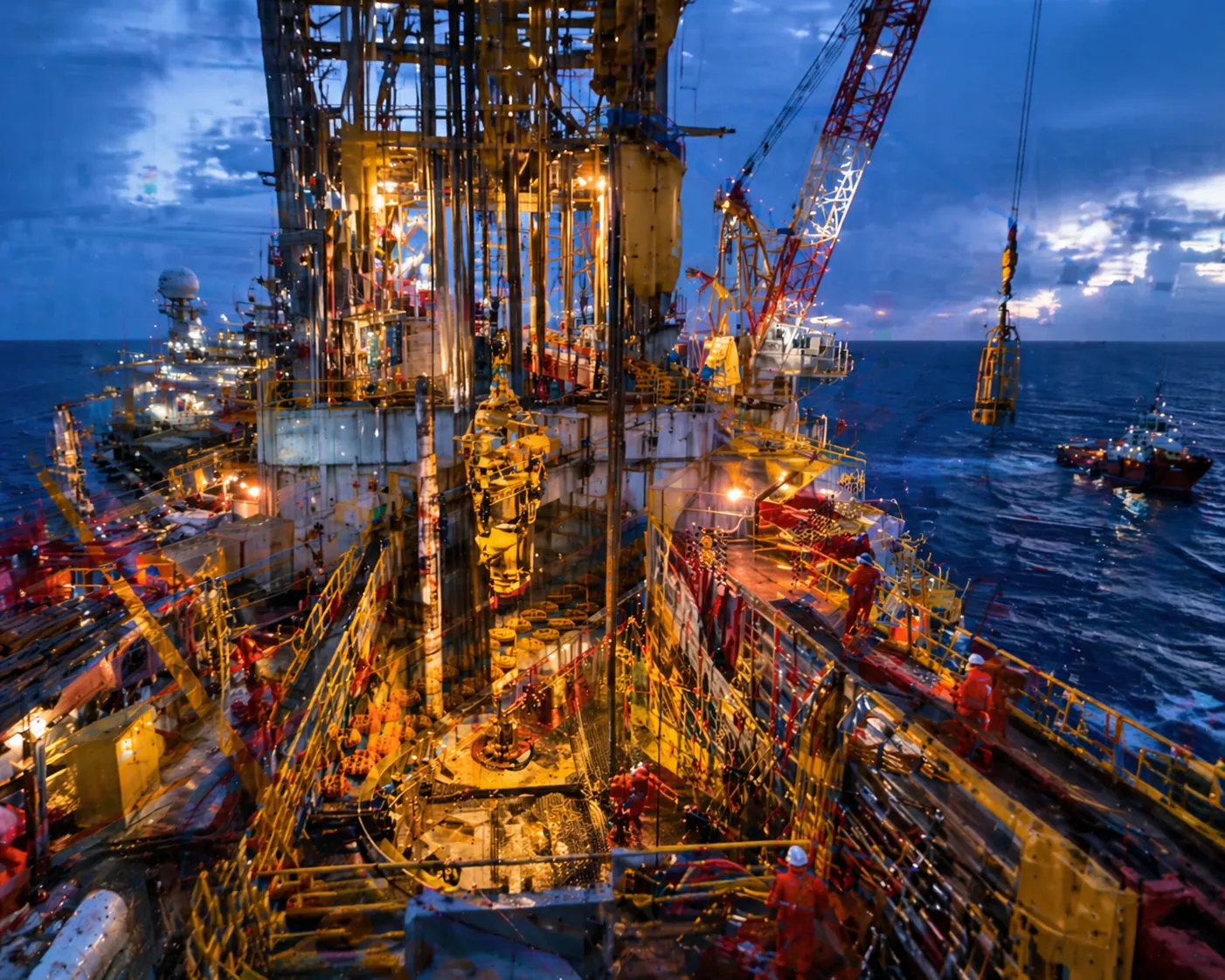
The aquaculture environment subjects mechanical equipment to one of the most corrosive atmospheric conditions outside of offshore oil and gas: marine cage farms operate in full seawater splash (ISO 12944 C5-M), coastal pond farms operate in salt air with brackish water splash (C4-C5), and even freshwater facilities in tropical climates subject equipment to high humidity and biological fouling (algae, barnacle, biofilm) that accelerates corrosion. The worm gear reducer specification for aquaculture draws from both the marine winch corrosion defense playbook (C5-M coating, 316L fasteners, FKM seals) and the agricultural machinery robustness requirements (remote location, minimal technical support, operator maintenance by farm staff rather than trained mechanics). This article walks the major aquaculture drive positions, corrosion and biological fouling defense, feed system precision, aeration requirements, and sized recommendations for each production system type.
Automated Feed Dispenser — Precision Metering for Growth Optimisation
Feed cost represents 50-70% of total aquaculture production cost — making feed delivery precision the single most important economic parameter in any fish farm. An automated feed dispenser uses a pužni reduktor to drive a metering auger or rotary valve that delivers pellets at precisely controlled mass flow rate: too little feed produces underweight fish that miss the market window; too much feed wastes expensive pellets and pollutes the water with uneaten feed that consumes dissolved oxygen and produces toxic ammonia. The worm gear reducer on the feed dispenser must deliver smooth, pulsation-free rotation at 5-30 rpm to maintain ±3-5% mass flow accuracy — similar to the gravimetric feeder accuracy required in plastics extrusion.
Self-locking on the feed dispenser worm gear reducer prevents gravity-fed pellet flow when the motor stops — without self-locking, pellets would continue to flow through the auger under gravity, delivering uncontrolled feed that overfeeds the fish and wastes feed inventory. The feed dispenser operates in the most corrosive position on the farm: mounted directly above the water surface on cage or pond structures, exposed to continuous salt spray (marine), high humidity (all environments), and biological contamination (algae, bird excrement, fish feed dust). IP66 sealing, C5-M or C4 coating (depending on salinity), FKM seals, and synthetic PAG lubricant are the baseline specification for any aquaculture feed dispenser worm gear reducer.
Aeration Paddle Wheel and Surface Aerator Drives
Dissolved oxygen is the most critical water quality parameter in aquaculture — fish die within minutes if dissolved oxygen falls below 2-3 mg/L (the lethal threshold for most commercial species). Aeration systems maintain dissolved oxygen at 5-8 mg/L through mechanical surface agitation (paddle wheels, surface aerators, aspirators) or subsurface air injection (blowers with diffusers). The worm gear reducer on paddle wheel and surface aerator drives converts motor speed (1,450-2,900 rpm) to paddle rotation at 60-120 rpm, providing the speed reduction and torque multiplication needed to move heavy paddle assemblies through water resistance. Self-locking on the aeration drive prevents the paddle wheel from windmilling in reverse when the motor stops — reverse rotation creates a suction effect that can pull floating feed, debris and juvenile fish into the paddle mechanism.
Aeration drives operate 16-24 hours per day (with brief stops only during feeding periods on some farms), 365 days per year — approximately 6,000-8,700 operating hours annually, comparable to the most demanding continuous industrial applications. The combination of continuous duty, water splash, salt exposure and remote location (pond aerators may be 500-2,000 metres from the farm electrical room, accessible only by boat or walking along pond levees) makes the aeration paddle wheel pužni reduktor one of the most maintenance-challenging positions in aquaculture. Synthetic PAG lubricant with 2-3 year oil life, FKM seals resistant to brackish and salt water, and C4-C5 coating are mandatory to achieve the 5-8 year service life between overhauls that the remote location demands — mineral CLP and NBR seals in the same service fail within 6-12 months.
Cage Net Winch, Water Gate and RAS Circulation Drives
Marine cage farms use worm gear reducer drives on net winches that raise and lower the cage nets for fish harvesting, net cleaning and mortality removal. Self-locking holds the net at the working depth during diving operations — divers enter the cage to inspect fish health and remove dead fish, and the net must remain at a stable depth throughout the dive. The cage net winch operates in full C5-M marine conditions identical to shipboard mooring winches, requiring the same three-layer coating system, 316L fasteners and sealed desiccant breather. Pond farms use worm gear reducer drives on water gate and sluice actuators that control water flow between ponds, into settlement ponds and out to effluent treatment — self-locking holds the gate at the set water level throughout the tidal cycle or irrigation schedule.
Recirculating aquaculture systems (RAS) — the fastest-growing segment of aquaculture technology — use worm gear reducer drives on drum filter rotation (the mechanical filter that removes solid waste from recirculated water), biofilter media circulation (moving biological filter media through the treatment zone), and flow control valve actuators (regulating water flow rates through the multiple treatment stages). RAS facilities operate indoors in controlled environments at 20-28 degrees C — relaxing the corrosion specification compared to outdoor cage and pond farms but introducing clean-room-adjacent hygiene requirements on some high-biosecurity salmon and shrimp RAS operations where pathogen introduction through contaminated equipment is a significant production risk.
Biological Fouling and Corrosion Tier System
Aquaculture equipment faces a contamination hazard unique among worm gear reducer applications: biological fouling. Algae, barnacles, mussels and biofilm colonise every submerged or splash-exposed surface within weeks of installation in marine and brackish environments. Biological fouling on the worm gear reducer housing traps moisture against the coating surface, accelerating under-film corrosion 3-5x faster than clean salt-air exposure. The fouling organisms also produce acidic metabolic waste products (pH 4-5 in biofilm) that attack standard epoxy coatings from beneath the fouling layer. Anti-fouling coating additives (copper-based or silicone-based foul-release topcoats) applied over the standard C5-M three-layer system extend recoating intervals from 2-3 years to 5-8 years by preventing biological attachment — a significant maintenance reduction for marine cage farm worm gear reducer positions accessible only by boat.
The corrosion defense specification for aquaculture worm gear reducer follows a tiered system based on water salinity and exposure. Tier 1 (marine cage — full seawater): C5-M three-layer coating (220-310 micrometres), 316L stainless fasteners, FKM seals, anti-fouling topcoat, sealed desiccant breather, synthetic PAG. Tier 2 (coastal pond — brackish water): C4 two-layer coating (160-240 micrometres), 316L fasteners, FKM seals, standard topcoat, sealed breather, synthetic PAG. Tier 3 (inland freshwater pond): C3 standard coating (120-160 micrometres), zinc-plated or stainless fasteners, FKM seals recommended, standard breather, synthetic PAG or mineral CLP. Tier 4 (indoor RAS): C2 standard coating (80-120 micrometres), standard fasteners, NBR or FKM seals, standard breather, mineral CLP adequate. Each tier reduction saves 15-25% per worm gear reducer unit — the tiered approach prevents over-specification on freshwater and indoor positions while ensuring adequate protection on marine positions.
Remote Location Maintenance and Operator Skill Considerations
Aquaculture farms operate in locations selected for water quality and environmental conditions — not for proximity to mechanical service providers. A marine cage farm may be 10-50 km offshore, accessible only by workboat in suitable weather. A shrimp pond farm may be in a remote coastal delta, 2-4 hours drive from the nearest industrial town. A trout farm may be at 1,500 metres altitude in a mountain valley with limited road access during winter. The worm gear reducer specification must account for this remoteness: every failure that requires specialist repair generates not only the repair cost but also the logistics cost of transporting a technician and replacement parts to the remote location — which may exceed the cost of the gearbox itself.
The practical response to remote-location maintenance is threefold. First, specify for maximum reliability: invest in the higher-tier worm gear reducer specification (FKM seals, PAG lubricant, C4-C5 coating) to achieve 5-8 year service life rather than accepting the 1-2 year life of under-specified units that generates 3-5x more failure events over the same period. Second, stock complete pre-assembled spare worm gear reducer units at the farm site (one per frame family) for immediate swap-out by farm operators — the failed unit is returned to the nearest workshop for overhaul at the next scheduled supply boat or truck trip. Third, design the maintenance programme for operator skill level: fish farmers can perform visual inspection, oil level verification, external wash-down and complete unit swap — but they cannot perform bearing replacement, seal installation or backlash adjustment in the field. The worm gear reducer specification and maintenance plan must match the skill set available at the farm, not the skill set available in an urban industrial workshop.
A growing segment of the aquaculture worm gear reducer market is offshore aquaculture — high-energy open-ocean cage systems exposed to significant wave height (Hs) of 3-6 metres, current velocities of 0.5-1.5 m/s, and full oceanic salinity. Offshore aquaculture cage systems use larger, heavier worm gear reducer frames (WPDS 175-250) with SF 1.6-2.0 for wave-induced dynamic loading on net winches and feed distribution systems. The corrosion specification follows offshore oil and gas practice rather than coastal aquaculture: C5-M coating at maximum film build (300+ micrometres), all-316L fasteners and hardware, nitrogen-purged or hermetically sealed housing, and PFPE lubricant for extended maintenance intervals that match the limited weather windows for offshore maintenance access. This offshore aquaculture segment represents the highest-specification and highest-value worm gear reducer application in the aquaculture sector — and the segment where the Korean engineering team at Ever-Power can provide the most significant technical and commercial value to aquaculture equipment integrators seeking marine-grade worm gear reducer supply with competitive lead time and pricing.
Sizing for Common Aquaculture Drives
◎ AQUA 01
Automated feed dispenser
Motor 0.37-1.5 kW. Auger 5-30 rpm. Frame NMRV 040-063. Self-locking anti-gravity-flow. IP66. C5-M (marine cage) or C4 (pond). ±3-5% mass flow. 4-8 feed events/day. 10-200 dispensers per farm.
◎ AQUA 02
Aeration paddle wheel / surface aerator
Motor 1.5-7.5 kW. Paddle 60-120 rpm. Frame NMRV 075-WPA 130. Self-locking anti-windmill. Continuous 16-24 h/day. IP66. C4-C5 coating. PAG 2-3 year oil life. Remote pond location. 10-100 per farm.
◎ AQUA 03
Cage net winch (marine farm)
Motor 2.2-11 kW. Frame WPA 110-WPDS 175. C5-M marine. 316L fasteners. Self-locking net depth hold. IP66-IP67. Low cycle (1-5/week). SF 1.4 for net snag. Synthetic PAG.
◎ AQUA 04
Water gate and sluice actuator
Motor 0.37-3 kW. Frame NMRV 050-WPA 110. Self-locking water level hold. IP67 (submerged sluice). C4-C5. FKM for brackish water. Manual override for power failure. 5-50 per farm.
◎ AQUA 05
RAS drum filter and biofilter circulation
Motor 0.75-5.5 kW. Frame NMRV 063-WPA 130. Indoor RAS: IP55 adequate. Continuous 24/7. Self-locking for filter maintenance hold. Freshwater — standard coating. Biosecurity: cleanable housing surface.
Aquaculture Worm Gear Reducer FAQ
Q: How many worm gear reducer positions does a typical aquaculture farm operate?
A: A marine cage farm with 10-20 cages operates 30-60 worm gear reducer positions: 10-20 feed dispensers (one per cage), 10-20 cage net winches (one per cage), 5-10 mooring and anchor winches, and 5-10 auxiliary drives (workboat crane, gangway, lighting). A shrimp pond farm with 20-50 ponds operates 40-150 positions: 20-50 feed dispensers (one per pond), 20-100 aeration paddle drives (1-3 per pond depending on stocking density and dissolved oxygen demand), and 5-20 water gate actuators. An indoor RAS facility operates 15-40 positions: 5-10 drum filter drives, 3-8 biofilter circulation drives, 3-8 flow control actuators, and 5-15 feed and packaging auxiliary drives. Fleet standardisation on 2-3 NMRV and WPA frame families reduces the on-site spare inventory to 3-6 pre-assembled units covering every position on the farm — critical for remote locations where procurement lead time for replacement units may be 2-4 weeks.
Q: What service life is expected in aquaculture service?
A: Marine cage (C5-M with full marine specification): 5-8 years for feed dispensers and net winches. Pond aeration (C4-C5 with PAG): 5-8 years for continuous paddle drives. Water gate actuators (IP67, C4): 10-15 years (low cycle). RAS indoor (IP55, standard): 10-15 years. Under-specified outdoor units (IP54, mineral CLP, alkyd coating): 6-18 months in marine cage service, 12-24 months in brackish pond service. The remote location and operator skill level in aquaculture make robust, long-life specification more economically important than in factory environments where trained mechanics are available on-site.
Q: Does self-locking matter in aquaculture?
A: Yes — critically for three positions. Feed dispenser: prevents uncontrolled gravity-fed pellet flow that wastes feed and pollutes water. Aeration paddle: prevents reverse windmilling that disrupts water circulation and can trap juvenile fish. Cage net winch: holds net at working depth during diver operations inside the cage. Water gate actuator: holds water level through tidal and irrigation cycles. In all cases, self-locking at ratio 30 or above provides passive hold without active mechanisms that could fail in the wet, corrosive aquaculture environment.
Q: What maintenance schedule applies to aquaculture drives?
A: Monthly: visual inspection during routine farm rounds — check for leaks, coating damage, biological fouling on housing. Every 3-6 months: external wash-down to remove salt and algae accumulation. Every 12-24 months (synthetic PAG): oil level verification (sealed units may not require oil change for 3+ years). Every 24-36 months: oil replacement on high-duty aeration positions. Annually: coating condition assessment on marine cage equipment. The maintenance programme must be simple enough for farm operators (typically fish farmers, not mechanics) to perform — complex maintenance procedures that require specialist tools or knowledge will not be performed consistently in the aquaculture environment.
Q: How do I get a sized recommendation for my aquaculture farm?
A: Send our engineering team the farm details: production system (marine cage, pond, RAS, hatchery), species cultured, drive positions (feed dispenser, aerator, winch, gate, filter), motor power per position, water salinity (fresh, brackish, marine), climate zone, and total drive count. We return sized recommendations with corrosion defense tier, self-locking verification and fleet pricing within 24-48 hours.
Sourcing Worm Gear Reducer for Aquaculture?
Send us production system, species, water salinity and drive positions. Our Korean engineering team returns sized recommendations with corrosion defense and fleet pricing within 24-48 hours.
Urednik: Cxm