Μειωτής ατέρμονα κοχλία vs ελικοειδής vs πλανητικός κιβωτίου ταχυτήτων: Επιλογή της σωστής κίνησης
Μια μηχανική σύγκριση σε σχέση με την απόδοση, το εύρος αναλογίας, την αντίδραση, το αυτοασφαλιζόμενο σύστημα και το κόστος — με μια αναλυτική παρουσίαση πέντε ερωτήσεων και έξι πραγματικές ετυμηγορίες εφαρμογής για να καθορίσετε ποιος τύπος κίνησης ανήκει στο μηχάνημά σας.
Τρεις τύποι κίνησης ανταγωνίζονται για το μεγαλύτερο μέρος των προδιαγραφών βιομηχανικών μειωτήρων: ο μειωτήρας με ατέρμονα κοχλία, το ελικοειδές κιβώτιο ταχυτήτων και το πλανητικό κιβώτιο ταχυτήτων. Κάθε ένα έχει μια σαφή μηχανική δομή και η σύγχυση αυτών παράγει μηχανήματα που λειτουργούν ζεστά, τοποθετούνται ανακριβώς ή κοστίζουν περισσότερο από όσο θα έπρεπε. Αυτή η σύγκριση αναλύει τις πέντε μηχανικές παραμέτρους που πραγματικά έχουν σημασία για την επιλογή - απόδοση, εύρος αναλογίας, αντίστροφη κίνηση, αυτοασφαλιζόμενο, κόστος - και τις παρουσιάζει έτσι ώστε ένας μηχανικός προμηθειών ή ένας σχεδιαστής μηχανημάτων να μπορεί να επιλέξει σωστά την πρώτη φορά. Για μια βασική περιγραφή του τρόπου με τον οποίο η γεωμετρία του ατέρμονα κοχλία μεταδίδει ροπή, ανατρέξτε στο συνοδευτικό μας άρθρο σχετικά με τι είναι ένας μειωτήρας ατέρμονα κοχλία.
- ▣
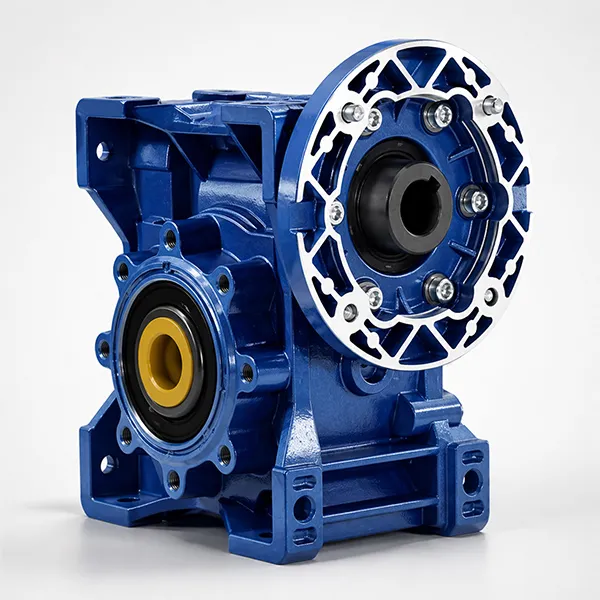
Επιλέξτε έναν μειωτήρα ατέρμονα κοχλία όταν χρειάζεστε υψηλό λόγο μείωσης ενός σταδίου, έξοδο ορθής γωνίας ή ροπή συγκράτησης με αυτοασφαλιζόμενο κλείδωμα — τυπικό για μεταφορικούς ιμάντες, κινητήρες ανύψωσης και αναδευτήρες χαμηλής ταχύτητας. - ▣
Επιλέξτε ένα ελικοειδές κιβώτιο ταχυτήτων όταν η απόδοση έχει πάνω απ' όλα σημασία (συνεχής λειτουργία υψηλής ταχύτητας, εφαρμογές ευαίσθητες στο ενεργειακό κόστος) και μια διάταξη παράλληλου άξονα ταιριάζει στο μηχάνημα. - ▣
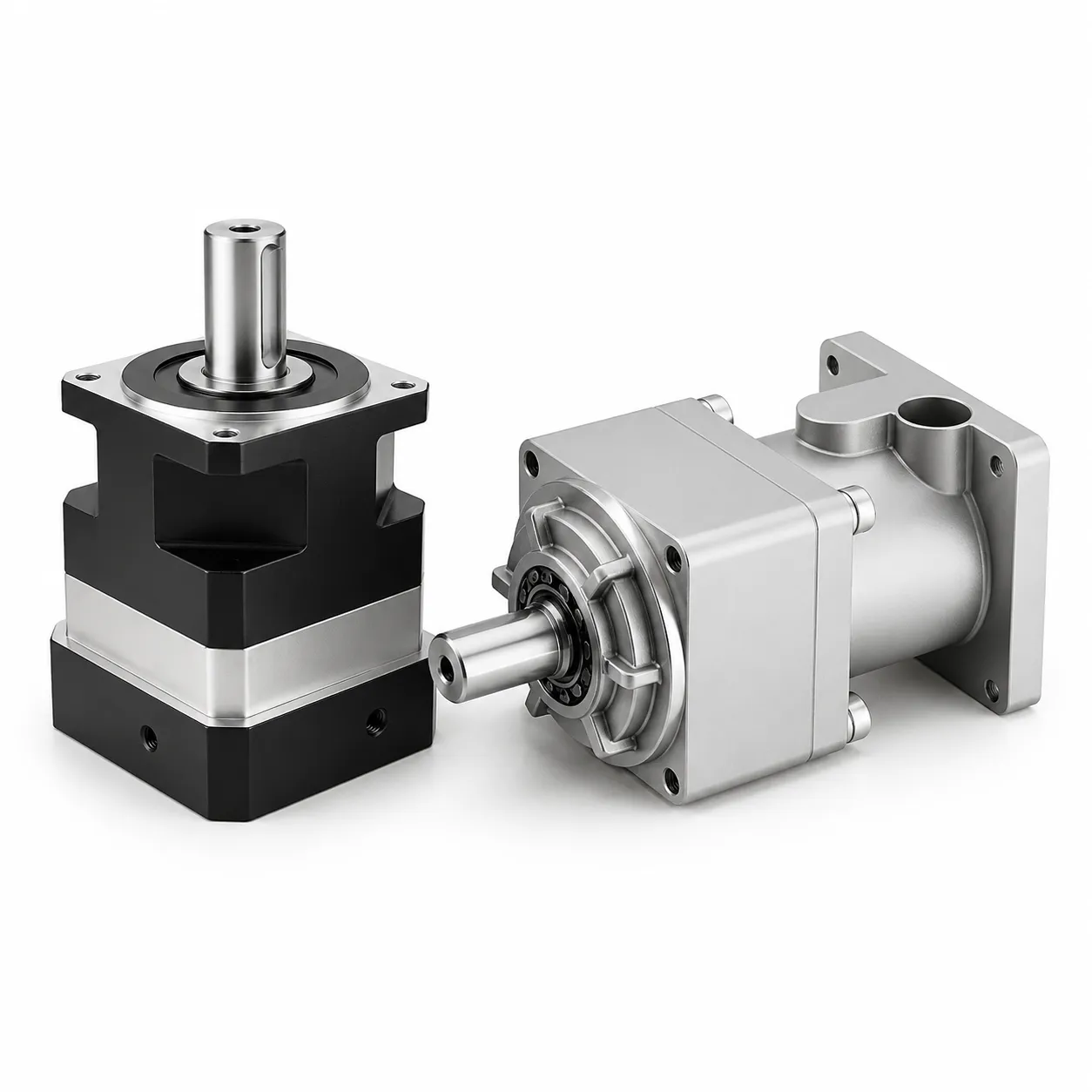
Επιλέξτε ένα πλανητικό κιβώτιο ταχυτήτων όταν η χαμηλή οπισθοδρόμηση και η υψηλή πυκνότητα ροπής έχουν τη μεγαλύτερη σημασία — περιστροφικοί δείκτες ευρετηρίου με σερβοκινητήρες, ρομποτικοί άξονες, κινητήρες ακριβείας με κοχλία τροφοδοσίας.
Τρεις τύποι κίνησης με μια ματιά
Πριν εμβαθύνουμε σε οποιαδήποτε παράμετρο, μια γρήγορη περίληψη των προδιαγραφών για καθέναν από τους τρεις τύπους μονάδων δίσκου θέτει τις βάσεις για τις ενότητες σύγκρισης που ακολουθούν. Οι παρακάτω αριθμοί είναι τυπικές τιμές μεσαίου πλαισίου για κάθε οικογένεια μονάδων δίσκου — οι ακριβείς τιμές ποικίλλουν ανάλογα με το μέγεθος του πλαισίου, τον κατασκευαστή και τη διαμόρφωση.
- ▸ Αποδοτικότητα: 70-85%
- ▸ Μονοβάθμια αναλογία: 5:1 έως 100:1
- ▸ Αντίδραση: ~30 λεπτά τόξου
- ▸ Σχέδιο: Ορθή γωνία 90°
- ✓ Αυτοασφαλιζόμενο σε i ≥ 30
- ✓ Χαμηλότερο κόστος μονάδας
- ▸ Αποδοτικότητα: 95-98%
- ▸ Μονοβάθμια αναλογία: 3:1 έως 8:1
- ▸ Αντίδραση: ~10 λεπτά τόξου
- ▸ Σχέδιο: παράλληλοι άξονες
- ✗ Δεν αυτοκλειδώνεται
- ▸ Είσοδος 3000+ στροφών/λεπτό εντάξει
- ▸ Αποδοτικότητα: 95-97%
- ▸ Μονοβάθμια αναλογία: 3:1 έως 10:1
- ▸ Αντίδραση: < 5 λεπτά τόξου
- ▸ Σχέδιο: ομόκεντρος σε σειρά
- ✗ Δεν αυτοκλειδώνεται
- ✓ Υψηλότερη πυκνότητα ροπής
Αναμέτρηση Αποδοτικότητας — Όπου το Σκουλήκι Χάνει Ενέργεια και το Ελικοειδές Κερδίζει
Η απόδοση του πλέγματος είναι η παράμετρος όπου οι τρεις τύποι κίνησης αποκλίνουν πιο έντονα. Ένα ελικοειδές κιβώτιο ταχυτήτων λειτουργεί στα 95-98% ανά στάδιο, σχεδόν ανεξάρτητα από την αναλογία. Ένα πλανητικό κιβώτιο ταχυτήτων λειτουργεί στα 95-97% ανά στάδιο, και πάλι σε μεγάλο βαθμό ανεξάρτητα από την αναλογία. Ένας μειωτήρας με ατέρμονα κοχλία λειτουργεί στα 70-85% σε ένα μόνο στάδιο, και η τιμή μειώνεται απότομα με την αύξηση της αναλογίας: 85% στο i=10, 78% στο i=30, 70% στο i=60, και κάτω από 60% πάνω από το i=100.
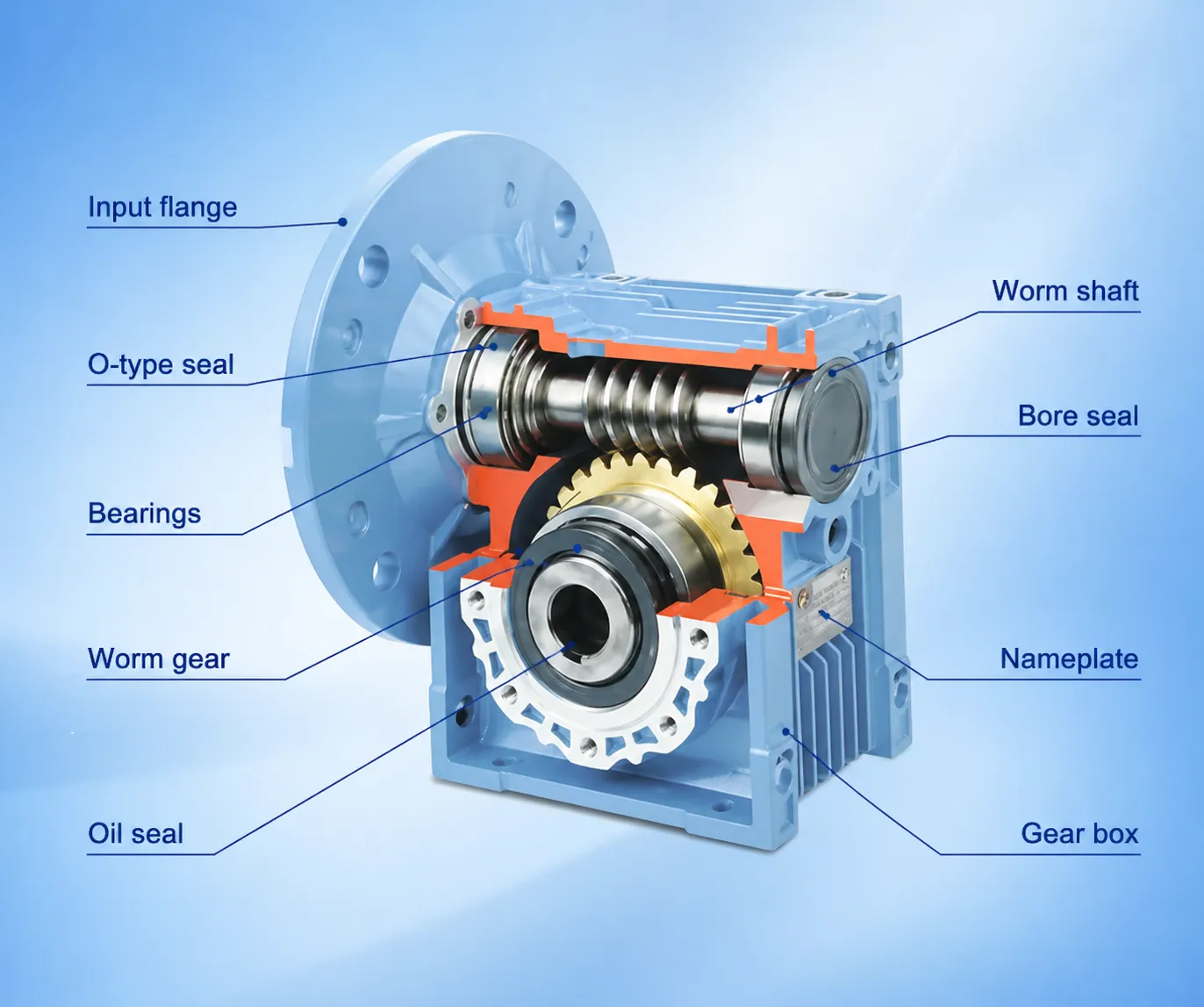
Ο λόγος είναι η γεωμετρία επαφής. Ελικοειδές και πλανητικό πλέγμα μέσω κυλιόμενης επαφής — τα δόντια κυλούν το ένα δίπλα στο άλλο με ελάχιστη ολίσθηση. Ένας μειωτήρας ατέρμονα κοχλία μεταδίδει ισχύ μέσω ολισθαίνουσας επαφής μεταξύ του σπειρώματος ατέρμονα κοχλία και του χάλκινου τροχού, η οποία παράγει σημαντικά περισσότερη τριβή και επομένως περισσότερη θερμότητα. Η ενέργεια που χάνεται ως θερμότητα κυμαίνεται από 15% (χαμηλή αναλογία) έως 30% ή περισσότερο (υψηλή αναλογία), έναντι 2-5% για τις εναλλακτικές λύσεις κυλιόμενης επαφής.
Για εφαρμογές συνεχούς λειτουργίας που λειτουργούν 24 ώρες την ημέρα, το χάσμα απόδοσης μετατρέπεται σε πραγματικό κόστος ενέργειας. Ένας κινητήρας 7,5 kW που λειτουργεί 8.000 ώρες ετησίως με απόδοση ατέρμονα κοχλία 75% καταναλώνει περίπου 80.000 kWh. Το ίδιο φορτίο με ελικοειδή απόδοση 96% καταναλώνει 62.500 kWh — εξοικονόμηση 17.500 kWh ετησίως. Με βάση τις τιμές ηλεκτρικής ενέργειας στην Κορέα, αυτό αντιστοιχεί σε περίπου 2.000-2.500 δολάρια ΗΠΑ ετησίως μόνο για έναν κινητήρα μειωτήρα με ένα ατέρμονα κοχλία, ανακτώντας το ελικοειδές ασφάλιστρο μέσα σε λίγα χρόνια σε κινητήρες βαριάς χρήσης.
Εύρος αναλογίας μονού σταδίου — Όπου κάθε μονάδα δίσκου χτυπά τον τοίχο της
Κάθε τύπος κίνησης έχει ένα πρακτικό όριο στον λόγο μείωσης που μπορεί να προσφέρει σε ένα μόνο στάδιο πριν είτε η απόδοση καταρρεύσει είτε η γεωμετρία σταματήσει να λειτουργεί. Τα τοιχώματα βρίσκονται σε πολύ διαφορετικά σημεία και υπαγορεύουν πόσα στάδια χρειάζεται ένας πολυβάθμιος μηχανισμός κίνησης για να φτάσει σε έναν λόγο-στόχο.
- Δ
Μειωτής ατέρμονα κοχλία: Η μονοβάθμια περιβάλλουσα κυμαίνεται από i=5 έως i=100. Η προσθήκη μιας ελικοειδούς πρωτεύουσας βαθμίδας μπροστά (η γεωμετρία ελικοειδούς σκουληκιού 2 σταδίων, π.χ. σειρά Nord SK 13xxx) επεκτείνεται σε i=3.631. Κάτω από i=5, η αυτοασφαλιζόμενη λειτουργία χάνεται. πάνω από i=100, η απόδοση της μονοβάθμιας περιέλιξης πέφτει κάτω από 60%. - Χ
Ελικοειδές κιβώτιο ταχυτήτων: Η μονοβάθμια περιβάλλουσα κυμαίνεται συνήθως από i=3 έως i=8. Η πολυβάθμια ελικοειδής κυμαίνεται από i=200 σε 3 στάδια και από i=1.000 σε 4 στάδια. Κάθε στάδιο προσθέτει απώλεια απόδοσης ~3%. - Π
Πλανητικό κιβώτιο ταχυτήτων: Το μονοβάθμιο περίβλημα είναι από i=3 έως i=10. Το πολυβάθμιο πλανητικό φτάνει το i=100 σε 2 στάδια, το i=1.000 σε 3 στάδια. Η συμπαγής ομόκεντρη διάταξη σημαίνει υψηλή αναλογία σε μικρή συσκευασία.
Για εφαρμογές που απαιτούν i=30 σε ένα συμπαγές πακέτο, ο μειωτήρας με ατέρμονα κοχλία κερδίζει επειδή είναι μονοβάθμιος, ενώ ο ελικοειδής χρειάζεται τρία πλέγματα και ο πλανητικός χρειάζεται δύο στάδια. Για εφαρμογές που απαιτούν i=10 σε υψηλή απόδοση, ο ελικοειδής ή ο πλανητικός μειωτήρας κερδίζει στην παράμετρο απόδοσης, παρόλο που ο ατέρμονας κοχλία θα μπορούσε να παρέχει i=10 μονοβάθμιο.
Ακρίβεια Αντίδρασης και Τοποθέτησης
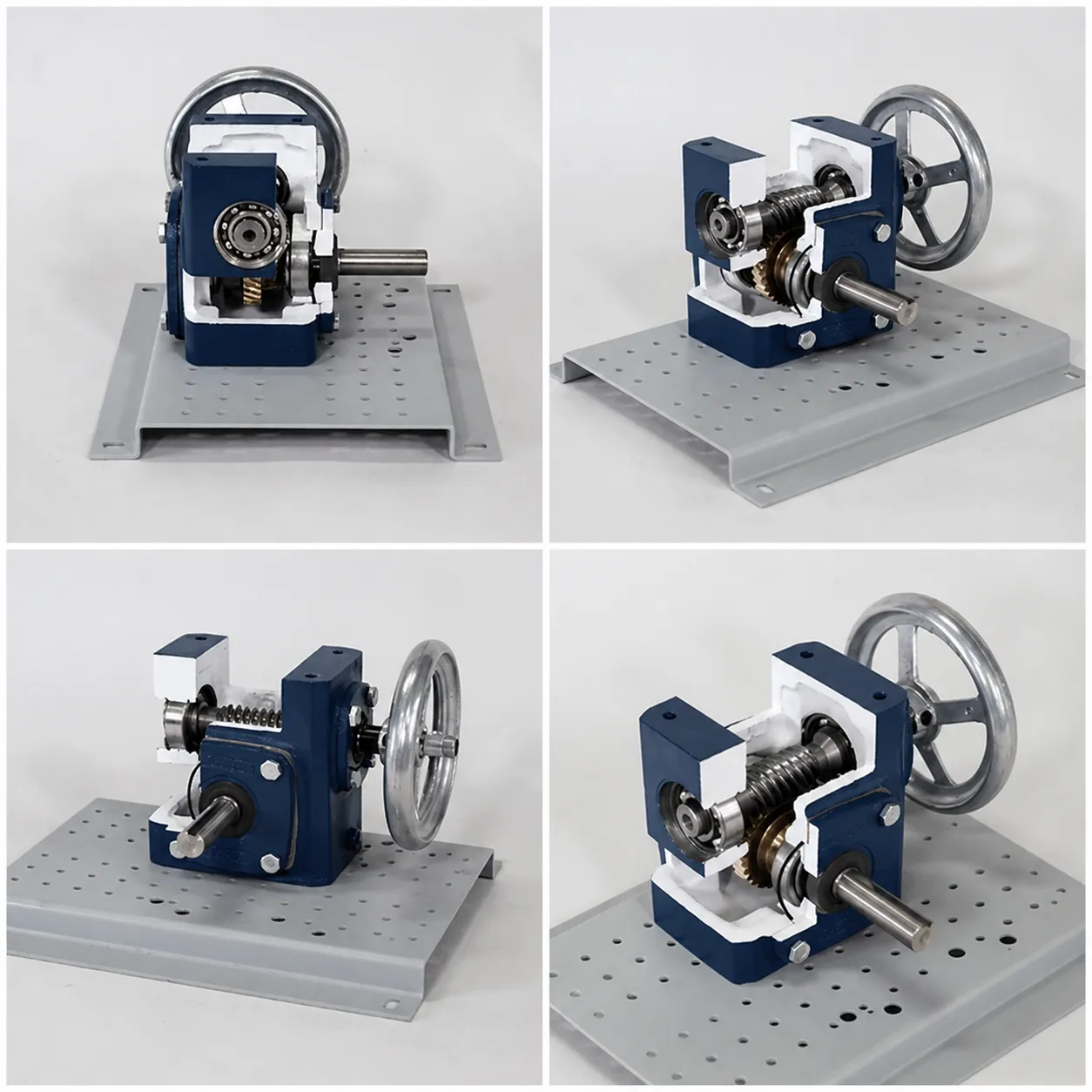
Η αντίστροφη κίνηση — η μικροσκοπική περιστροφική κίνηση μεταξύ εισόδου και εξόδου που σας επιτρέπει να αντιστρέψετε ελαφρώς την είσοδο πριν αρχίσει να κινείται η έξοδος — έχει έντονη σημασία για ορισμένες εφαρμογές και καθόλου για άλλες. Οι μεταφορικοί ιμάντες και οι αναμικτήρες που κινούνται από μειωτήρα ατέρμονα κοχλία δεν ενδιαφέρονται για την αντίστροφη κίνηση. Οι περιστροφικοί δείκτες ευρετηρίου με σερβομηχανισμό, οι ρομποτικοί άξονες και οι κινητήρες ακριβείας τοποθέτησης έχουν μεγάλη σημασία, επειδή κάθε λεπτό τόξου της αντίστροφης κίνησης μεταφράζεται σε σφάλμα τοποθέτησης στο φορτίο.
Ένα πλανητικό κιβώτιο ταχυτήτων λειτουργεί με χρόνο οπισθοδρόμησης κάτω των 5 λεπτών τόξου σε τυπικά προϊόντα καταλόγου και κάτω από 1 λεπτό τόξου σε μονάδες ακριβείας. Ένα ελικοειδές κιβώτιο ταχυτήτων λειτουργεί συνήθως με χρόνο οπισθοδρόμησης 8-15 λεπτών τόξου. Ένας μειωτήρας ατέρμονα κοχλία λειτουργεί συνήθως με χρόνο οπισθοδρόμησης 25-40 λεπτών τόξου — εν μέρει επειδή τα χάλκινα δόντια των τροχών φθείρονται με την πάροδο του χρόνου, αυξάνοντας σταδιακά τον χρόνο οπισθοδρόμησης καθ' όλη τη διάρκεια ζωής του κιβωτίου ταχυτήτων.
Για τον σερβοέλεγχο κλειστού βρόχου, ο πλανητικός έλεγχος είναι ουσιαστικά η μόνη λογική επιλογή πάνω από τις εργασίες μέτριας ακρίβειας. Για τις εργασίες μεταφορικού ιμάντα ανοιχτού βρόχου και ανάμειξης, η υψηλότερη αντίστροφη κίνηση της γεωμετρίας του ατέρμονα κοχλία είναι άσχετη - το ίδιο το φορτίο δεν ενδιαφέρει. Διαβάστε την αντίστροφη κίνηση ως παράμετρο που αποκλείει τον μειωτήρα ατέρμονα κοχλία από την εργασία ακριβούς τοποθέτησης, όχι ως παράμετρο όπου η γεωμετρία του ατέρμονα κοχλία αποτυγχάνει γενικά.
Αυτοασφαλιζόμενο — Ο καθοριστικός σκουλήκι ιδιοκτησίας που κατέχει μόνος του
Η αυτοασφαλιζόμενη κίνηση είναι η μηχανική ιδιότητα όπου ο μειωτήρας ατέρμονα κοχλία υπερισχύει πλήρως και των δύο εναλλακτικών λύσεων. Όταν η γωνία της ολίσθησης του σπειρώματος του ατέρμονα κοχλία είναι αρκετά μικρή — που αντιστοιχεί σε λόγους σε i ≥ 30 — η τριβή στην ολισθαίνουσα επαφή αντιστέκεται σε οποιαδήποτε ροπή αντίστροφης κίνησης από το φορτίο. Το κιβώτιο ταχυτήτων διατηρεί τη θέση του παθητικά χωρίς ενεργό φρένο. Οι ελικοειδής και οι πλανητικές κινήσεις κινούνται ελεύθερα προς τα πίσω υπό στατικό φορτίο και απαιτούν ενεργό φρένο για να διατηρήσουν τη θέση τους.
Για εφαρμογές ανύψωσης, το μειωτήρας ατέρμονα κοχλία Η αυτοασφαλιζόμενη ιδιότητα δεν είναι διαπραγματεύσιμη. Ανελκυστήρες, κοχλιωτοί γρύλοι, ψαλιδωτοί ανυψωτήρες, πλατφόρμες κατασκευής με άλμα, ανυψωτήρες σκηνής θεάτρου, ηλιακοί ιχνηλάτες — όλα λειτουργούν σχεδόν αποκλειστικά με γεωμετρία ατέρμονα κοχλία, επειδή η ασφάλιση τριβής αφαιρεί μια κρίσιμη λειτουργία αστοχίας ασφαλείας (δυσλειτουργία φρένου) από την ανάλυση κινδύνου της εφαρμογής ανύψωσης. Ένας μειωτήρας ατέρμονα κοχλία σε i ≥ 30 θα συγκρατήσει ένα φορτίο πολλών τόνων επ' αόριστον χωρίς να εφαρμόσει καμία ροπή κινητήρα.
Σημειώστε ότι οι κορεατικοί κανονισμοί ασφάλειας στις κατασκευές (Νόμος για την Ασφάλεια και την Υγεία στη Βιομηχανία) και οι αντίστοιχοι κανονισμοί σε όλη την Ασία εξακολουθούν να απαιτούν ενεργό φρένο στις πλατφόρμες ανύψωσης προσωπικού — το αυτοασφαλιζόμενο σύστημα είναι το πλεονάζον στρώμα ασφαλείας πίσω από το φρένο, όχι η κύρια ασφάλεια. Ωστόσο, ο πλεονασμός είναι γνήσιος και βελτιώνει σημαντικά την αξιοπιστία του συστήματος ανύψωσης.
Κόστος, Αποτύπωμα και Γενικά Έξοδα Συντήρησης
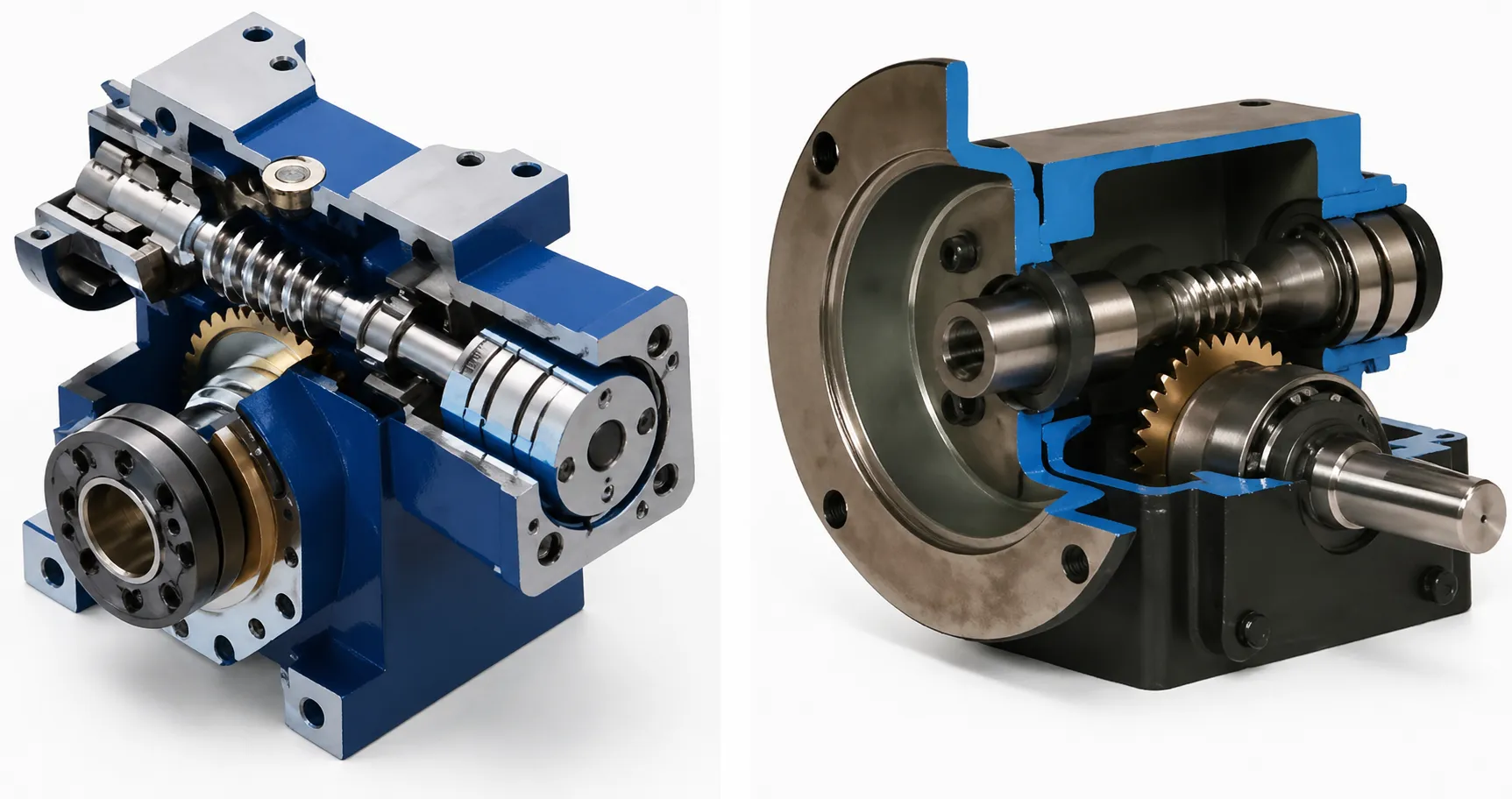
Το κόστος μονάδας ποικίλλει σημαντικά μεταξύ των τριών τύπων κίνησης σε ισοδύναμη ονομαστική ροπή. Ο μειωτήρας ατέρμονα κοχλία είναι σταθερά ο φθηνότερος — μια τυπική μονάδα i=30 με είσοδο 1,5 kW αντιστοιχεί περίπου στο κόστος ενός ελικοειδούς κιβωτίου ταχυτήτων και στο κόστος ενός πλανητικού κιβωτίου ταχυτήτων με την ίδια ονομαστική ροπή εξόδου. Η τιμολόγηση αντικατοπτρίζει την πολυπλοκότητα της κατασκευής: ένα ζεύγος ατέρμονα κοχλία και τροχού είναι απλούστερο στην παραγωγή από τα πολλαπλά εμπλοκές γραναζιών μέσα σε μια ελικοειδή ή πλανητική μονάδα.
Το αποτύπωμα διαφέρει με πιο λεπτό τρόπο. Η ορθή γωνία εξόδου του μειωτήρα ατέρμονα κοχλία τον καθιστά την πιο συμπαγή επιλογή όταν η διάταξη του μηχανήματος απαιτεί κάθετη περιστροφή του άξονα — δεν απαιτείται εξωτερική κωνική σύζευξη. Για τα εν σειρά συστήματα κίνησης, τα πλανητικά συστήματα υπερτερούν στην πυκνότητα ροπής: ένα πλανητικό σύστημα 200 Nm χωράει σε μικρότερο μέγεθος από ένα ελικοειδές σύστημα ή ατέρμονα κοχλία 200 Nm ισοδύναμης ονομαστικής ισχύος. Το ελικοειδές σύστημα βρίσκεται στη μέση του αποτυπώματος, με το πλεονέκτημα ότι τα μακριά συστήματα κίνησης παράλληλων αξόνων ενσωματώνονται φυσικά χωρίς στροφές 90 μοιρών.
Τα έξοδα συντήρησης διαφέρουν επίσης. Ο χάλκινος τροχός του μειωτήρα ατέρμονα κοχλία φθείρεται σταδιακά σε διάστημα 25.000-40.000 ωρών λειτουργίας. Τα κιτ επισκευής δοντιών αποκαθιστούν το κιβώτιο ταχυτήτων με κόστος το ένα τρίτο του κόστους πλήρους αντικατάστασης. Οι ελικοειδής και οι πλανητικές μονάδες ουσιαστικά δεν φθείρονται υπό κανονική λειτουργία — παρουσιάζουν βλάβη λόγω αστοχίας ρουλεμάν ή φθοράς της στεγανοποίησης, και τα δύο επισκευάσιμα στο πεδίο. Η λίπανση γίνεται με ορυκτέλαιο ή συνθετικό λάδι κιβωτίων ταχυτήτων που τροφοδοτείται με πιτσίλισμα και για τα τρία. Τα διαστήματα αλλαγής λαδιού είναι παρόμοια.
Πίνακας Προδιαγραφών Side-by-Side
Ο παρακάτω πίνακας βάθους συγκεντρώνει κάθε παράμετρο που καθορίζει την απόφαση για τον μειωτήρα ατέρμονα κοχλία έναντι του ελικοειδούς έναντι του πλανητικού. Τα επισημασμένα κελιά επισημαίνουν τον νικητή για κάθε κριτήριο — χρήσιμο ως εκτυπώσιμο βοήθημα επιλογής.
| Παράμετρος | Σκουλήκι | Ελικοειδής | Πλανητικός |
|---|---|---|---|
| Μονοβάθμια απόδοση | 70-85% | 95-98% | 95-97% |
| Εύρος αναλογίας ενός σταδίου | 5:1 έως 100:1 | 3:1 έως 8:1 | 3:1 έως 10:1 |
| Αντίδραση (κατάλογος) | 25-40 λεπτά τόξου | 8-15 λεπτά τόξου | < 5 λεπτά τόξου |
| Αυτοασφαλιζόμενο υπό στατικό φορτίο | Ναι (i ≥ 30) | Οχι | Οχι |
| Προσανατολισμός εξόδου | Ορθή γωνία 90° | Παράλληλο | Ομόκεντρος σε σειρά |
| Όριο ταχύτητας εισόδου (τυπικό) | 1500 σ.α.λ. | 3500+ σ.α.λ. | 3000 σ.α.λ. |
| Πυκνότητα ροπής (Nm/kg) | ~10-15 | ~15-20 | ~25-35 |
| Ακουστικός θόρυβος (dB στο 1m) | 54-58 | 62-68 | 58-64 |
| Σχετικό κόστος μονάδας | 1,0× (βασική τιμή) | 1,6× | 2,0× |
| Διάστημα σέρβις εξαρτημάτων φθοράς | 25-40k h (τροχός) | 100k+ h (ρουλεμάν) | 100k+ h (ρουλεμάν) |
Μια σύντομη περίληψη απόφασης — Επιλέξτε το δικό σας αυτοκίνητο σε πέντε ερωτήσεις
Οι περισσότερες αποφάσεις τύπου drive επιλύονται σε πέντε ερωτήσεις. Εξετάστε τες με τη σειρά — η πρώτη που δίνει μια δύσκολη απάντηση καθορίζει την επιλογή. Εάν και οι πέντε είναι σωστές, η παράμετρος κόστους συνήθως αποφασίζει.
Η εφαρμογή ανυψώνει ένα φορτίο που πρέπει να αντέξει χωρίς φρένο;
Αν ναι → μειωτήρας ατέρμονα κοχλία στο i ≥ 30. Η ιδιότητα αυτοκλειδώματος είναι η μόνη που παρέχει παθητική συγκράτηση και τίποτα άλλο δεν την παρέχει.
Απαιτεί η εφαρμογή ακρίβεια τοποθέτησης κάτω των 5 λεπτών της στροφής;
Αν ναι → πλανητικό κιβώτιο ταχυτήτωνΗ ελικοειδής κίνηση πλησιάζει, αλλά η πλανητική είναι η τυπική επιλογή για περιστροφικούς κινητήρες ευρετηρίου με σερβοκινητήρες, ρομποτικούς άξονες και κινητήρες ακριβείας με κοχλία τροφοδοσίας.
Απαιτεί η διάταξη του μηχανήματος περιστροφή άξονα 90 μοιρών;
Αν ναι → μειωτήρας ατέρμονα κοχλία, εκτός αν η ακρίβεια ή η αποτελεσματικότητα το αποκλείουν. Η γεωμετρία της ορθής γωνίας είναι εγγενής στον κοχλία — δεν απαιτείται εξωτερική κωνική σύζευξη.
Είναι η συνεχής λειτουργία 24 ωρών με κόστος ενέργειας ανησυχητική;
Αν ναι → ελικοειδές κιβώτιο ταχυτήτων συνήθως κερδίζει σε σχέση με το κόστος ζωής μέσω της αποδοτικότητας. Η εξοικονόμηση ενέργειας κατά τη λειτουργία σε πολλαπλές βάρδιες ανακτά το υψηλότερο κόστος μονάδας εντός 2-4 ετών.
Εάν δεν ισχύει τίποτα από τα παραπάνω, ποιος είναι ο στόχος μοναδιαίου κόστους;
Εάν είναι ευαίσθητο στο κόστος → μειωτήρας ατέρμονα κοχλίαΓια τους περισσότερους γενικούς βιομηχανικούς μεταφορικούς ιμάντες και μηχανισμούς ανάμειξης, όπου καμία από τις τέσσερις πρώτες ερωτήσεις δεν επέστρεψε μια σαφή απάντηση, ο τύπος worm κερδίζει στην τιμή και παραμένει η μακροχρόνια προεπιλεγμένη προδιαγραφή σε ολόκληρη την κορεατική και ασιατική βιομηχανία.
Ετυμηγορία εφαρμογής — Έξι πραγματικά σενάρια
Έξι κοινές εφαρμογές μετάδοσης κίνησης σε όλο το εύρος των μειωτήρων ατέρμονα κοχλία, ελικοειδών και πλανητικών γραναζιών — έξι ετυμηγορίες. Κάθε κάρτα αναφέρει το σενάριο, την καθοριστική παράμετρο και τον προτεινόμενο τύπο μετάδοσης κίνησης με αιτιολόγηση.
ΣΕΝΑΡΙΟ 01
Κίνηση τροχαλίας κεφαλής μεταφορικού ιμάντα, 1,5 kW, απόδοση 50 στροφών ανά λεπτό
i=30, διακοπτόμενη λειτουργία, δεν απαιτείται ακρίβεια τοποθέτησης, η διάταξη ορθής γωνίας ταιριάζει στο πλαίσιο του μεταφορέα.
ΣΕΝΑΡΙΟ 02
Μηχανισμός κίνησης αντλίας, 22 kW, διάταξη παράλληλου άξονα, συνεχής λειτουργία 24 ωρών
Υψηλή συνεχής ισχύς, το κόστος ενέργειας είναι το κυρίαρχο κόστος σε όλη τη διάρκεια ζωής, λειτουργία 8.500 ωρών/έτος.
ΣΕΝΑΡΙΟ 03
Άξονας ρομπότ με σερβομηχανισμό, 0,75 kW, τοποθέτηση ±0,1 mm
Έλεγχος κλειστού βρόχου, η οπισθοδρόμηση υποβαθμίζει άμεσα την ακρίβεια τοποθέτησης, η ομόκεντρη διάταξη σε σειρά ταιριάζει στον άξονα.
ΣΕΝΑΡΙΟ 04
Βιδωτός γρύλος κατασκευής με άλμα, 4 kW ανά γρύλο, 16 συγχρονισμένες γρύλοι
Πλατφόρμα ανύψωσης με φορτίο πολλών τόνων. Η αυτοασφαλιζόμενη λειτουργία είναι η απαίτηση ασφαλείας· το φρένο είναι το εφεδρικό στρώμα ασφαλείας.
ΣΕΝΑΡΙΟ 05
Ξύστρα καθαρισμού λυμάτων, 1,1 kW, απόδοση 0,8 στροφών ανά λεπτό
Πολύ υψηλή μείωση (~i=1800), συνεχής λειτουργία, αργή απόδοση. Το υβριδικό ελικοειδές σκουλήκι 2 σταδίων είναι η προεπιλογή του καταλόγου.
ΣΕΝΑΡΙΟ 06
Σύστημα μετάδοσης κίνησης AGV, 0,55 kW, κρίσιμο συμπαγές αποτύπωμα
Απαιτείται υψηλή πυκνότητα ροπής για να χωρέσει μέσα στο περίβλημα της πλήμνης του τροχού του οχήματος. Τροφοδοτείται από μπαταρία, επομένως η απόδοση έχει σημασία.
Συχνές ερωτήσεις για την επιλογή τύπου μονάδας δίσκου
Ε: Μπορώ να αντικαταστήσω έναν μειωτήρα ατέρμονα κοχλία με μια ελικοειδή ή πλανητική μονάδα στο ίδιο μηχάνημα;
Α: Μερικές φορές. Τρία πράγματα πρέπει να ευθυγραμμίζονται. Πρώτον, η νέα μονάδα πρέπει να ταιριάζει στο ίδιο αποτύπωμα τοποθέτησης ή να δέχεται μια κατεργασμένη πλάκα προσαρμογέα. Δεύτερον, το ύψος και η οπή του άξονα εξόδου πρέπει να ταιριάζουν (ή να έχουν επανατοποθετηθεί). Τρίτον, εάν η εφαρμογή βασιζόταν σε αυτοασφαλιζόμενη ροπή συγκράτησης, πρέπει να προσθέσετε ένα ενεργό φρένο κατά την εναλλαγή σε ελικοειδή ή πλανητική — καμία από τις δύο δεν αντικαθιστά τη γεωμετρία τριβής του ατέρμονα κοχλία. Οι περισσότερες μετασκευές λειτουργούν καλύτερα ως αντικατάσταση ατέρμονα κοχλία όμοιας κατασκευής παρά ως αντικατάσταση σταυροειδούς τύπου.
Ε: Γιατί ο μειωτήρας με ατέρμονα κοχλία κυριαρχεί στις ασιατικές και ευρωπαϊκές βιομηχανικές αγορές παρά τη χαμηλότερη απόδοση;
Α: Τρεις λόγοι. Το κόστος μονάδας είναι περίπου 60% ελικοειδούς και 50% πλανητικού με ισοδύναμη ονομαστική ροπή. Η έξοδος ορθής γωνίας εξοικονομεί ξεχωριστό κωνικό σύνδεσμο στις περισσότερες διατάξεις μεταφορικών ταινιών και μηχανών ανάμειξης. Η αυτοασφαλιζόμενη ροπή συγκράτησης είναι η μόνη διαθέσιμη λύση για εφαρμογές ανύψωσης. Για το μεγαλύτερο μέρος των γενικών βιομηχανικών συστημάτων κίνησης - μεταφορικοί ιμάντες, αναμικτήρες, αργοί αναδευτήρες - αυτά τα πλεονεκτήματα υπερτερούν του ενεργειακού κόστους και η γεωμετρία του κοχλία παραμένει η μακροχρόνια προεπιλεγμένη προδιαγραφή.
Ε: Πόση ενέργεια θα μπορούσα να εξοικονομήσω μεταβαίνοντας από ατέρμονα σε ελικοειδή σε μια συνεχή λειτουργία μονάδας δίσκου 22 kW;
Α: Στην απόδοση του σκουληκιού 75% έναντι της ελικοειδούς απόδοσης 96%, η διαφορά είναι 21 ποσοστιαίες μονάδες. Σε έναν κινητήρα 22 kW που λειτουργεί 8.500 ώρες ετησίως, αυτό αντιστοιχεί περίπου σε 22 × 0,21 × 8.500 = 39.270 kWh ετησίως. Με βάση τις τιμές της βιομηχανικής ηλεκτρικής ενέργειας στην Κορέα, η ετήσια εξοικονόμηση ενέργειας είναι περίπου 4.500-5.500 USD — συνήθως αρκετή για να αποπληρωθεί το ασφάλιστρο του ελικοειδούς εντός 18-30 μηνών σε κινητήρες υψηλής χρήσης.
Ε: Είναι ένας μειωτήρας ελικοειδούς ατέρμονα κοχλία 2 σταδίων ουσιαστικά ένα υβρίδιο πλεονεκτημάτων ελικοειδούς και ατέρμονα κοχλία;
Α: Εν μέρει ναι. Το ελικοειδές πρωτεύον στάδιο προσθέτει την υψηλή απόδοση και την υψηλή ταχύτητα ενός ελικοειδούς συστήματος κίνησης. Το δευτερεύον στάδιο με ατέρμονα κοχλία προσθέτει την υψηλή αναλογία εμβέλειας ενός σταδίου και την έξοδο ορθής γωνίας. Η συνδυασμένη απόδοση είναι περίπου 85-92%, μεταξύ καθαρού ατέρμονα κοχλία και καθαρού ελικοειδούς. Το αντάλλαγμα είναι το μήκος του περιβλήματος (περίπου 25% μεγαλύτερο από το μονοσταδιακό ατέρμονα κοχλία) και το ελαφρώς υψηλότερο κόστος μονάδας. Η αυτοασφαλιζόμενη λειτουργία διατηρείται σε υψηλές αναλογίες δευτερεύοντος κοχλία.
Ε: Για εφαρμογή ανύψωσης με βιδωτό γρύλο, μπορώ να χρησιμοποιήσω πλανητικό με ενεργό φρένο αντί για ατέρμονα κοχλία;
Α: Τεχνικά ναι, αλλά η μηχανική άποψη είναι αδύναμη. Οι κορεατικοί κανονισμοί ασφάλειας κατασκευών απαιτούν ενεργό φρένο στις πλατφόρμες ανύψωσης προσωπικού ανεξάρτητα από τον τύπο κίνησης — επομένως, η προσθήκη φρένου σε πλανητικό σύστημα απλώς αφαιρεί το πλεονέκτημα πλεονασμού του σκουληκιού χωρίς να αντισταθμίζει το κέρδος. Το υψηλότερο κόστος ενέργειας του σκουληκιού είναι άσχετο με τη διακοπτόμενη λειτουργία του γρύλου. Η γεωμετρία του σκουληκιού παραμένει η τυπική προδιαγραφή για τους γρύλους με βίδες σε όλες τις κορεατικές και ασιατικές κατασκευές.
Ε: Ο πελάτης μου OEM θέλει αναφορά ενεργειακής απόδοσης. Προκαλεί ο μειωτήρας ατέρμονα κοχλία προβλήματα στη συμμόρφωση του κινητήρα με τα πρότυπα IE3 / IE4;
Α: Όχι — Η ταξινόμηση IE ισχύει μόνο για τον κινητήρα, όχι για το κιβώτιο ταχυτήτων. Ο μειωτήρας ατέρμονα κοχλία σας δέχεται οποιονδήποτε κινητήρα κλάσης απόδοσης IE2, IE3 ή IE4 μέσω της τυπικής πρόσοψης προσαρμογέα IEC. Όπου οι πελάτες επιθυμούν συνολική αναφορά απόδοσης συστήματος μετάδοσης κίνησης (συνδυασμός κινητήρα + κιβωτίου ταχυτήτων), ένας ελικοειδής ατέρμονας κοχλία 2 σταδίων ή ένας αμιγώς ελικοειδής κινητήρας θα προσφέρει έναν καλύτερο συνδυασμένο αριθμό — αλλά η ίδια η συμμόρφωση με τον IE δεν επηρεάζεται από τον τύπο του κιβωτίου ταχυτήτων.
Ακόμα δεν είστε σίγουροι ποιος τύπος μονάδας δίσκου ταιριάζει στην εφαρμογή σας;
Στείλτε την περίληψη της αίτησής σας — ροπή, ταχύτητα, κύκλος λειτουργίας, περιορισμός διάταξης και απαίτηση ακρίβειας — και η ομάδα μηχανικών μας στην Κορέα θα σας επιστρέψει μια σύσταση για τον τύπο μετάδοσης κίνησης με ανάλυση πλαισίου, λόγου σχέσης μετάδοσης και μείγματος προμηθευτών εντός 24 έως 48 ωρών.
Επιμέλεια: Cxm