वर्म गियर रिड्यूसर के लिए एल्यूमीनियम बनाम कास्ट आयरन हाउसिंग की तुलना
डाई-कास्ट एल्युमीनियम और ग्रे-आयरन हाउसिंग की इंजीनियरिंग तुलना - वजन, थर्मल क्षमता, कंपन को कम करना, जंग प्रतिरोध और कुल स्वामित्व लागत, साथ ही उन अनुप्रयोगों का विवरण जो इनके बीच निर्णय लेने में सहायक होते हैं।
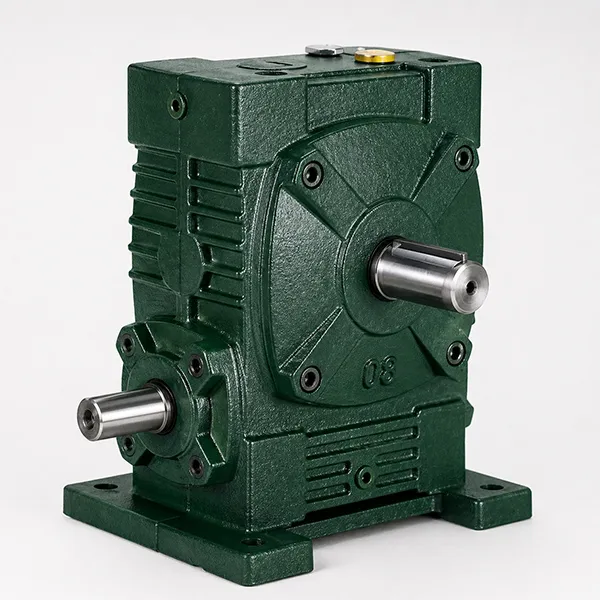
वर्म गियर रिड्यूसर का बाहरी आवरण वह हिस्सा है जिसे खरीदार सबसे पहले देखते और उठाते हैं, और यही वह हिस्सा है जो वजन, तापीय क्षमता, ध्वनि व्यवहार और जंग प्रतिरोध को अन्य किसी भी घटक से अधिक निर्धारित करता है। कोरियाई और एशियाई वर्म गियर रिड्यूसर निर्माण में दो प्रमुख सामग्रियां हैं: डाई-कास्ट एल्यूमीनियम (एनएमआरवी / आरवी / ईपी-एनआरवी कैटलॉग परिवार) और ग्रे कास्ट आयरन (डब्ल्यूपी / एससीडब्ल्यूएस / एसएचवीडब्ल्यू कैटलॉग परिवार)। प्रत्येक सामग्री लागत, क्षमता और सीमाओं का एक विशिष्ट संयोजन प्रदान करती है, और इनके बीच का चुनाव अक्सर उपकरण निर्माता और अंतिम उपयोगकर्ता के बीच विनिर्देशों को लेकर असहमति का केंद्र होता है। नीचे दिया गया लेख आठ इंजीनियरिंग गुणों, छह पर्यावरण श्रेणियों और दस सामान्य अनुप्रयोग परिदृश्यों के आधार पर दोनों सामग्रियों की तुलना करता है।
एडीसी12 / ए380 / ईएन एसी-46000
Si 9-12% / Cu 1.5-3.5% / Fe 0.8-1.3%
- ▸ कैटलॉग परिवार: एनएमआरवी / आरवी / ईपी-एनआरवी
- ▸ फ्रेम रेंज: 25-150 (छोटा/मध्यम)
- ▸ वज़न: 35-45% ढलवां लोहे से हल्का
- ▸ इकाई लागत: आधार रेखा 1.0×
एचटी200 / जीजी-25 / एफसी200
C 3.0-3.5% / Si 1.8-2.4% / Mn 0.5-0.9%
- ▸ कैटलॉग परिवार: डब्ल्यूपी / एससीडब्ल्यूएस / एसएचवीडब्ल्यू
- ▸ फ्रेम रेंज: 60-300+ (मध्यम/बड़ा)
- ▸ वज़न: सबसे भारी, आधार रेखा 1.0×
- ▸ इकाई लागत: एल्युमीनियम की तुलना में 1.15-1.35 गुना
घर बनाने की सामग्री खरीदारों की सोच से कहीं अधिक महत्वपूर्ण क्यों है?
वर्म गियर रिड्यूसर पर पड़ने वाले सभी भारों को हाउसिंग ही वहन करती है — जैसे बेयरिंग रिएक्शन, माउंटिंग बोल्ट प्री-लोड, आउटपुट शाफ्ट साइड लोड और गियर-मेश बल। यह पूरे ड्राइव के थर्मल एनवेलप, ध्वनि संरचना और जंग प्रतिरोधकता को भी निर्धारित करती है। खरीदार अक्सर गियर-मेश के आंतरिक भागों पर ध्यान केंद्रित करते हैं और हाउसिंग को केवल पैकेजिंग का हिस्सा मानते हैं। हालांकि, कई इंजीनियरिंग पैरामीटर जो इंस्टॉलेशन लागत और सर्विस लाइफ को काफी हद तक प्रभावित करते हैं, उनके मामले में स्थिति इसके विपरीत है।
वास्तविक दुनिया में वर्म गियर रिड्यूसर के उपयोग में, दो प्रकार के हाउसिंग मटेरियल के व्यवहार में तीन अंतर पाए जाते हैं। तापीय क्षमता में लगभग 2 गुना अंतर होता है - कच्चा लोहा तेल के तापमान में उतार-चढ़ाव को कम करता है और एल्युमीनियम की तुलना में निरंतर उपयोग के दौरान उत्पन्न ऊष्मा को बेहतर ढंग से फैलाता है, जो 24 घंटे चलने वाले अनुप्रयोगों के लिए महत्वपूर्ण है। कंपन अवमंदन में भी काफी अंतर होता है - कच्चे लोहे की ग्रेफाइट सूक्ष्म संरचना माउंटिंग फीट पर गियर-मेश कंपन को अवशोषित करती है, जबकि एल्युमीनियम उसी कंपन को सपोर्टिंग फ्रेम में स्थानांतरित कर देता है। संक्षारण के प्रति उनका व्यवहार वातावरण के अनुसार काफी भिन्न होता है - एल्युमीनियम खाद्य प्रसंस्करण धुलाई में कच्चे लोहे की तुलना में बेहतर प्रदर्शन करता है, जबकि कच्चा लोहा समुद्री क्लोराइड के संपर्क में आने पर एल्युमीनियम की तुलना में बेहतर प्रदर्शन करता है।
दो सामग्रियों में समान विनिर्देशों वाले वर्म गियर रिड्यूसर का चयन करते समय खरीदार सबसे पहले इकाई लागत देखता है (एल्यूमीनियम 15-25% सस्ता होता है)। 10 वर्षों के सेवाकाल में कुल स्वामित्व लागत अक्सर इसे उलट देती है - निरंतर भारी औद्योगिक सेवा में प्रयुक्त कच्चा लोहा इकाई की प्रारंभिक लागत 20% अधिक हो सकती है, लेकिन बेहतर थर्मल हेडरूम और कंपन के कारण बोल्ट के ढीले होने की कम संभावना के कारण यह जीवनकाल में रखरखाव और प्रतिस्थापन बजट में 50% की बचत करती है।
एल्युमिनियम डाई-कास्ट हाउसिंग — एनएमआरवी / आरवी स्टाइल
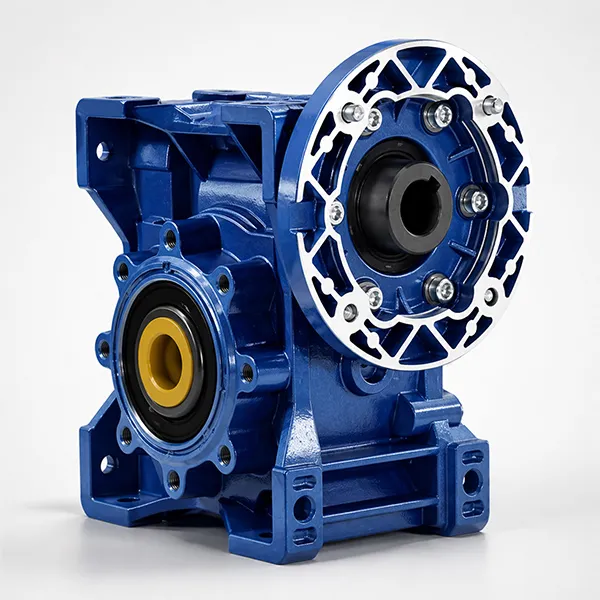
एल्यूमीनियम वर्म गियर रिड्यूसर हाउसिंग का निर्माण उच्च दाब डाई-कास्टिंग द्वारा ADC12 (जापानी नाम), A380 (अमेरिकी नाम) या EN AC-46000 (यूरोपीय नाम) मिश्र धातुओं में किया जाता है - ये सभी एक ही Al-Si-Cu मिश्र धातु परिवार के प्रकार हैं। डाई-कास्टिंग प्रक्रिया से लगभग तैयार आकार की हाउसिंग प्राप्त होती है जिसमें आंतरिक शीतलन पंख, माउंटिंग बॉस और बेयरिंग सीट एक ही कास्टिंग में एकीकृत होते हैं, जिसे स्वचालित फिनिशिंग लाइनों पर मशीनिंग करके फिट किया जाता है।
▣ प्रमुख संपत्तियाँ
- ▸ घनत्व: 2.7 ग्राम/सेमी³ (35-45% हल्का)
- ▸ तापीय चालकता: 96 W/m·K
- ▸ तन्यता सामर्थ्य: 240-310 एमपीए
- ▸ अवमंदन अनुपात: 0.0001-0.0005
- ▸ सतह की फिनिश: एनोडाइज्ड या पेंटेड
✓ खूबियाँ
- → हल्का इंस्टॉलेशन
- → प्रति फ्रेम आकार की इकाई लागत कम
- → उत्कृष्ट खाद्य प्रसंस्करण प्रतिरोध
✗ कमजोरियाँ
- ✗ खराब कंपन अवमंदन
- ✗ सीमित तापीय क्षमता (कम द्रव्यमान)
25-150 मिमी फ्रेम आकार और 7.5 किलोवाट से कम पावर रेंज वाले वर्म गियर रिड्यूसर के लिए एल्यूमीनियम हाउसिंग बाज़ार में सबसे आगे हैं। हल्के वजन के कारण इन्हें पैकेजिंग मशीनरी, कन्वेयर और इंडेक्सिंग ड्राइव पर आसानी से स्थापित किया जा सकता है, जहाँ माउंटिंग फ्रेम कास्ट आयरन के वजन के लिए डिज़ाइन नहीं किए गए हैं। कोरियाई खाद्य प्रसंस्करण निर्माता कंपनियां लगभग सर्वत्र एल्यूमीनियम हाउसिंग वाले वर्म गियर रिड्यूसर यूनिट्स का उपयोग करती हैं क्योंकि ये धोने में आसान होते हैं - सही तरीके से एनोडाइज्ड डाई-कास्ट एल्यूमीनियम सतह, पेंट किए गए कास्ट आयरन की तुलना में गर्म पानी और डिटर्जेंट के चक्रों का बेहतर प्रतिरोध करती है।
कास्ट आयरन हाउसिंग — WP / SCWS / SHVW स्टाइल
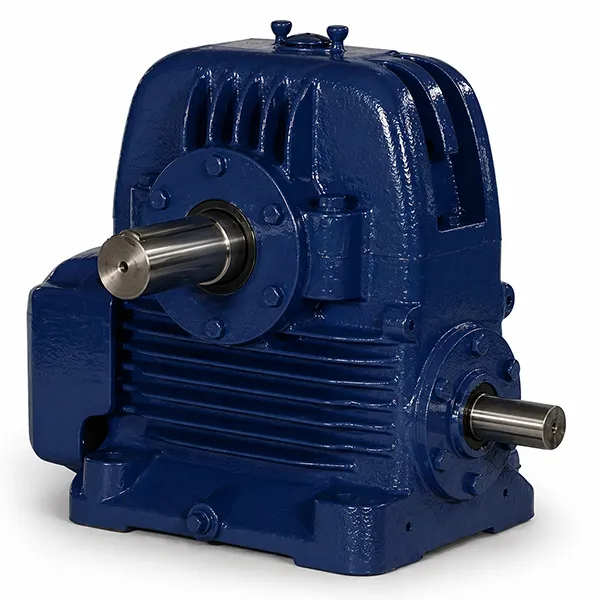
ग्रे कास्ट आयरन वर्म गियर रिड्यूसर हाउसिंग को HT200 (चीनी), GG-25 (यूरोपीय DIN) या FC200 (जापानी JIS) में सैंड-कास्टिंग द्वारा बनाया जाता है - ये सभी लगभग 200 MPa तन्यता शक्ति वाले एक ही प्रकार के फ्लेक-ग्रेफाइट आयरन से बने होते हैं। सैंड-कास्टिंग, डाई-कास्टिंग की तुलना में बड़े फ्रेम साइज़ के लिए उपयुक्त है, यही कारण है कि 60 मिमी और उससे अधिक के मध्यम से बड़े फ्रेम रेंज में कास्ट आयरन हाउसिंग का उपयोग अधिक होता है।
▣ प्रमुख संपत्तियाँ
- ▸ घनत्व: 7.2 ग्राम/सेमी³ (सबसे भारी)
- ▸ तापीय चालकता: 50 W/m·K
- ▸ तन्यता सामर्थ्य: 200-260 एमपीए
- ▸ अवमंदन अनुपात: 0.005-0.015
- ▸ सतह की फिनिश: पेंटेड एनामेल
✓ खूबियाँ
- → उत्कृष्ट कंपन अवशोषकता (10-50× एल्युमीनियम)
- → द्रव्यमान से उच्च तापीय क्षमता
- → समुद्री और क्लोराइड प्रतिरोधी
✗ कमजोरियाँ
- ✗ भारी सामान की स्थापना के लिए उठाने वाले उपकरणों की आवश्यकता होती है।
- ✗ उच्च इकाई लागत
कास्ट आयरन वर्म गियर रिड्यूसर हाउसिंग उन भारी औद्योगिक मांगों को पूरा कर सकते हैं जिन्हें एल्यूमीनियम पूरा नहीं कर सकता - जैसे बकेट एलिवेटर, सीमेंट रॉ-मिल फीड, माइनिंग ऑक्सिलरी ड्राइव, मरीन डेक मशीनरी। इसका भारी वजन, जो इंस्टॉलेशन को कठिन बनाता है, 24 घंटे के संचालन के लिए थर्मल बफर और कंपन को कम करने की क्षमता भी प्रदान करता है, जिससे गियर-मेश उत्तेजना के हजारों घंटों के दौरान माउंटिंग बोल्ट मजबूती से लगे रहते हैं।
8 इंजीनियरिंग गुणों के बीच तुलना मैट्रिक्स
| संपत्ति | अल्युमीनियम (एडीसी12) |
कच्चा लोहा (HT200) |
विजेता |
|---|---|---|---|
| वजन (सापेक्ष) | 0.55-0.65× | 1.0× | अल्युमीनियम |
| इकाई लागत (सापेक्ष) | 1.0× | 1.15-1.35× | अल्युमीनियम |
| ऊष्मीय चालकता | 96 W/m·K | 50 W/m·K | अल्युमीनियम |
| तापीय क्षमता (द्रव्यमान × तापीय क्षमता) | कम | उच्च | कच्चा लोहा |
| कंपन अवमंदन (अनुपात) | 0.0001-0.0005 | 0.005-0.015 | कच्चा लोहा |
| तन्यता ताकत | 240-310 एमपीए | 200-260 एमपीए | अल्युमीनियम |
| समुद्री संक्षारण प्रतिरोध | मध्यम | उत्कृष्ट | कच्चा लोहा |
| भोजन धोने के साथ अनुकूलता | उत्कृष्ट | मध्यम | अल्युमीनियम |
एल्युमीनियम वर्म गियर रिड्यूसर हाउसिंग आठ में से पांच गुणों में बेहतर है; कच्चा लोहा तीन गुणों में बेहतर है। केवल स्कोर के आधार पर किसी सामग्री का चयन नहीं किया जा सकता - कच्चे लोहे के तीन बेहतर गुण (तापीय क्षमता, कंपन अवमंदन, समुद्री संक्षारण) ही भारी औद्योगिक वर्म गियर रिड्यूसर के विनिर्देशों को निर्धारित करते हैं, जबकि एल्युमीनियम के पांच बेहतर गुण हल्के पैकेजिंग और खाद्य प्रसंस्करण अनुप्रयोगों के लिए उपयुक्त हैं।
कंपन अवमंदन और ध्वनिक व्यवहार
कास्ट आयरन और एल्युमीनियम के बीच कंपन-अवरोधन अंतर इतना अधिक होता है कि किसी भी ऐसे अनुप्रयोग में निर्णय लेने में यह महत्वपूर्ण भूमिका निभाता है जहां संचारित शोर या बोल्ट के ढीले होने का खतरा रहता है। वर्म गियर रिड्यूसर हाउसिंग में, कास्ट आयरन की परतदार-ग्रेफाइट सूक्ष्म संरचना ग्रेफाइट-लोहे के इंटरफेस पर घर्षण के रूप में कंपन ऊर्जा को अवशोषित करती है; एल्युमीनियम की समरूप मिश्रधातु संरचना लगभग कोई आंतरिक ऊर्जा क्षय प्रदान नहीं करती है। नीचे दिए गए युग्मित बार समतुल्य-फ्रेम वर्म गियर रिड्यूसर इकाइयों पर तीन संदर्भ परिचालन आवृत्तियों पर विशिष्ट शोर-स्तर dB माप दर्शाते हैं।
न्यूनतम शोर स्तर (1 मीटर पर dB, समान फ्रेम)
गियर-मेश मूल तत्व (200-400 हर्ट्ज़)
Δ = 10 dB (अनुभूत ध्वनि की तीव्रता में 3 गुना कमी)
बेयरिंग हार्मोनिक (800-1500 हर्ट्ज)
Δ = 12 dB (बातचीत के स्तर से काफी नीचे)
संरचनात्मक अनुनाद (50-150 हर्ट्ज़)
Δ = 16 dB (सबसे बड़ा अंतर; संरचनात्मक अवशोषण निर्णायक कारक है)
ध्वनि के प्रति संवेदनशील प्रतिष्ठानों के लिए — जैसे कि वर्कशॉप में कर्मचारियों के संपर्क में आने वाली पैकेजिंग लाइनें, अस्पताल के उपकरण, थिएटर स्टेज ड्राइव — 10-16 dB का अंतर इतना अधिक होता है कि कास्ट आयरन विनिर्देशन, ड्यूटी क्लास की परवाह किए बिना, अनिवार्य है। वही कंपन जो श्रव्य शोर उत्पन्न करता है, माउंटिंग बोल्ट को भी धीरे-धीरे ढीला कर देता है; एल्यूमीनियम हाउसिंग वाले वर्म गियर रिड्यूसर प्रतिष्ठानों में हर 1,000-2,000 घंटे में बोल्ट को फिर से टाइट करने की आवश्यकता होती है, जबकि कास्ट आयरन इकाइयाँ जाँच के बीच 8,000+ घंटे तक चल सकती हैं।
छह वातावरणों में संक्षारण प्रतिरोध
वर्म गियर रिड्यूसर हाउसिंग का संक्षारण व्यवहार विभिन्न पर्यावरणीय श्रेणियों में उलट जाता है — कुछ श्रेणियों में एल्युमीनियम बेहतर प्रदर्शन करता है, जबकि अन्य में कच्चा लोहा। नीचे दी गई ग्रिड छह सामान्य पर्यावरणीय श्रेणियों में प्रत्येक सामग्री के लिए अपेक्षित सेवा-जीवन का सारांश प्रस्तुत करती है। स्टार रेटिंग निरंतर संपर्क में रहने पर हाउसिंग सतह उपचार प्रणाली (एल्युमीनियम पर एनोडाइजिंग, कच्चा लोहा पर पेंटेड इनेमल) की देखी गई मजबूती को दर्शाती है।
औद्योगिक / हल्का विनिर्माण
★★★★★
★★★★★
दोनों बराबर हैं — सामान्य औद्योगिक धूल और नमी से सुरक्षा प्रदान करते हैं।
समुद्री / तटीय
★★☆☆☆
★★★★☆
ढलवां लोहा बेहतर है — क्लोराइड के कारण एल्यूमीनियम पर गड्ढे बनने की प्रक्रिया एल्यूमीनियम की तुलना में अधिक तेजी से होती है।
खाद्य प्रसंस्करण / धुलाई
★★★★★
★★☆☆☆
एल्युमिनियम बेहतर है — एनोडाइज्ड सतह पेंट की तुलना में गर्म पानी से धोने को बेहतर ढंग से सहन करती है।
रासायनिक/अम्लीय वातावरण
★★☆☆☆
★★★☆☆
दोनों मध्यम स्तर के हैं — दोनों सामग्रियों के लिए एपॉक्सी पेंट अपग्रेड निर्दिष्ट करें।
बाहरी / यूवी एक्सपोजर
★★★★☆
★★★☆☆
एल्युमिनियम का हल्का सा फायदा — एनोडाइज्ड फिनिश इनेमल की तुलना में यूवी किरणों के प्रति अधिक स्थिर होती है।
क्लीनरूम / फार्मास्युटिकल
★★★★★
★★★☆☆
एल्युमिनियम को जीत मिली — एनोडाइज्ड, गैर-झड़ने वाली सतह क्लीनरूम मानदंडों को पूरा करती है।
आवेदन मैट्रिक्स — किस उपयोग के लिए कौन सा आवास
दस सामान्य कोरियाई और एशियाई अनुप्रयोग परिदृश्य और प्रत्येक में आमतौर पर उपयोग की जाने वाली हाउसिंग सामग्री। नीचे दी गई मैट्रिक्स प्रमुख कोरियाई OEM और ISO 9001-प्रमाणित वर्म गियर रिड्यूसर निर्माताओं के बीच सर्वसम्मत विनिर्देशों का सारांश प्रस्तुत करती है। आधुनिक विकल्पों को ब्राउज़ करें। वर्म गियर रिड्यूसर कैटलॉग आपके अनुप्रयोग वर्ग के अनुरूप दोनों प्रकार की हाउसिंग सामग्री में आकार के फ्रेम के लिए। यांत्रिक-संचरण अनुप्रयोगों के लिए जहां हाउसिंग-युग्मन इंटरफ़ेस मायने रखता है, इंजीनियरिंग नोट्स भी देखें। सीवी संयुक्त ड्राइव शाफ्ट सिस्टम.
★ एल्युमीनियम से निर्मित
पैकेजिंग लाइन इंडेक्सर (NMRV040-080)
हल्का और रुक-रुक कर किया जाने वाला कार्य; मशीन फ्रेम डिजाइन के लिए वजन कम करना महत्वपूर्ण है।
खाद्य प्रसंस्करण कन्वेयर (एनएमआरवी050-110)
धुलाई की आवश्यकता; एनोडाइज्ड एल्युमिनियम गर्म संक्षारक चक्र को सहन कर सकता है।
हल्का एजिटेटर (RV063-090)
5.5 किलोवाट से कम शक्ति पर; लागत और वजन, तापीय लाभ से अधिक महत्वपूर्ण हो जाते हैं।
क्लीनरूम उपकरण (आरवी050-090)
एनोडाइज्ड सतह जिससे पेंट नहीं झड़ता; पेंट के छिलने का कोई खतरा नहीं।
सोलर ट्रैकर ड्राइव (एनएमआरवी075-110)
बाहरी पराबैंगनी किरणों के संपर्क में आना; रुक-रुक कर उपयोग; फील्ड इंस्टॉलेशन में वजन मायने रखता है।
★ ढलवां लोहे से निर्मित
सीमेंट रॉ-मिल फीड (WP175-250)
24 घंटे भारी कार्य; तापीय क्षमता और अवमंदन निर्णायक कारक हैं।
बकेट एलिवेटर (SCWS200-300)
झटके लगने पर; कच्चा लोहा एल्यूमीनियम की तुलना में क्षणिक झटकों को बेहतर ढंग से कम करता है।
समुद्री डेक विंच (WP100-175)
क्लोराइड के संपर्क में आने पर; कच्चा लोहा एल्यूमीनियम की तुलना में जंग प्रतिरोधक क्षमता में बेहतर होता है।
थिएटर स्टेज ड्राइव (SHVW150-200)
ध्वनि के प्रति संवेदनशील; एल्युमीनियम पर 10-16 dB ध्वनि कम करना अनिवार्य है।
खनन सहायक ड्राइव (WP200-300)
निरंतर उच्च शक्ति; थर्मल द्रव्यमान आवरण के भीतर तेल के तापमान को बनाए रखता है।
10 वर्षों की कुल स्वामित्व लागत की तुलना
वर्म गियर रिड्यूसर की कुल स्वामित्व लागत (TCO) में इकाई मूल्य, स्थापना श्रम, निर्धारित रखरखाव, मध्य-जीवन नवीनीकरण और जीवन-समाप्ति प्रतिस्थापन को एक ही संख्या में शामिल किया जाता है। नीचे दी गई तुलना 5.5 kW वर्म गियर रिड्यूसर के लिए है जो कोरियाई औद्योगिक श्रम दरों पर प्रति वर्ष 8,000 घंटे चलता है, जिसमें समकक्ष NMRV110 (एल्यूमीनियम) और WP120 (कास्ट आयरन) कैटलॉग विनिर्देशों की तुलना की गई है।
| लागत घटक (10 वर्ष) | एल्युमिनियम एनएमआरवी110 | कच्चा लोहा WP120 |
|---|---|---|
| इकाई लागत (प्रारंभिक) | 850 अमेरिकी डॉलर | 1,100 अमेरिकी डॉलर |
| स्थापना श्रम | 200 अमेरिकी डॉलर | 350 अमेरिकी डॉलर (लिफ्टिंग उपकरण) |
| बोल्ट को पुनः कसना (प्रत्येक 1,500 घंटे बनाम 8,000 घंटे) | 1,600 अमेरिकी डॉलर | 300 अमेरिकी डॉलर |
| दांत बदलने की किट (10 साल में 2 बनाम 1) | 900 अमेरिकी डॉलर | 550 अमेरिकी डॉलर |
| स्नेहक (प्रत्येक 4,000 घंटे बनाम 8,000 घंटे) | 600 अमेरिकी डॉलर | 400 अमेरिकी डॉलर |
| मध्य-जीवन नवीनीकरण (वर्ष 6-7) | 800 अमेरिकी डॉलर | 500 अमेरिकी डॉलर |
| 10-वर्षीय टीसीओ | 4,950 अमेरिकी डॉलर | 3,200 अमेरिकी डॉलर |
इस पावर क्लास में लगातार 8,000 घंटे प्रति वर्ष की सेवा के लिए, कास्ट आयरन वर्म गियर रिड्यूसर की प्रारंभिक इकाई कीमत 30% अधिक होने के बावजूद कुल स्वामित्व लागत 35% कम होती है। कम कार्य चक्रों पर परिणाम उलट जाता है - 2,000 घंटे प्रति वर्ष के रुक-रुक कर चलने वाले अनुप्रयोग में रखरखाव का अंतर कम हो जाता है, और एल्यूमीनियम फिर से लागत के लिहाज से प्रतिस्पर्धी बन जाता है। 4,000 घंटे प्रति वर्ष से अधिक चलने वाले वर्म गियर रिड्यूसर अनुप्रयोगों पर निर्णय लेने के लिए इकाई लागत तुलना के बजाय कुल स्वामित्व लागत की गणना सही आधार है।
एल्युमीनियम बनाम कास्ट आयरन हाउसिंग से संबंधित अक्सर पूछे जाने वाले प्रश्न
प्रश्न: क्या मैं समान अनुपात वाले एल्यूमीनियम वर्म गियर रिड्यूसर के स्थान पर कास्ट आयरन वर्म गियर रिड्यूसर लगा सकता हूँ?
ए: माउंटिंग के आयाम आमतौर पर कैटलॉग परिवारों के बीच भिन्न होते हैं। एनएमआरवी (एल्यूमीनियम) और डब्ल्यूपी (कास्ट आयरन) आयामों के हिसाब से परस्पर विनिमय योग्य नहीं हैं - फ्लेंज पैटर्न, आउटपुट शाफ्ट की ऊंचाई और बोल्ट सर्कल भिन्न होते हैं। इस रेट्रोफिट के लिए या तो एक कस्टम एडेप्टर प्लेट या सहायक संरचना में संशोधन की आवश्यकता होती है। अपग्रेड करने से पहले मूल कैटलॉग आयाम ड्राइंग के साथ आयामों की अनुकूलता की पुष्टि करें। वैकल्पिक तरीका: सीधे रेट्रोफिट के लिए तुलनीय फ्रेम पदनाम (जैसे एससीडब्ल्यूएस श्रृंखला, जिसमें एल्यूमीनियम के समकक्ष आयाम फुटप्रिंट हैं) में एक कास्ट आयरन यूनिट निर्दिष्ट करें।
प्रश्न: क्या निरंतर उपयोग के दौरान एल्युमीनियम के आवरण कास्ट आयरन के समान तापीय सीमा तक पहुँचते हैं?
ए: एल्युमीनियम वर्म गियर रिड्यूसर हाउसिंग की तापीय चालकता (96 बनाम 50 W/m·K) अधिक होती है, लेकिन तापीय द्रव्यमान कम होता है। कम समय के तापीय उतार-चढ़ाव में एल्युमीनियम ऊष्मा को तेजी से फैलाता है; निरंतर कार्य के दौरान स्थिर अवस्था में, कच्चा लोहा का अधिक तापीय द्रव्यमान समान इनपुट पावर पर तेल का तापमान 8-15 डिग्री सेल्सियस कम रखता है। 60% रेटेड लोड से ऊपर 24 घंटे की निरंतर सेवा के लिए, कच्चा लोहा अनिवार्य है। रुक-रुक कर या कम लोड वाले कार्य के लिए, एल्युमीनियम रेटेड कैटलॉग बिंदुओं पर कच्चा लोहा के समान स्थिर अवस्था प्राप्त कर लेता है।
प्रश्न: कैटलॉग डेटाशीट में वर्म गियर रिड्यूसर की शोर रेटिंग पर हाउसिंग सामग्री का क्या प्रभाव पड़ता है?
ए: कैटलॉग में दी गई शोर रेटिंग आमतौर पर बिना लोड की स्थिति में 1 मीटर की दूरी पर मापी जाती है, जहाँ हाउसिंग मटेरियल का अंतर कम (1-3 dB) होता है। लोड की स्थिति में, जहाँ गियर-मेश कंपन से वास्तविक ध्वनिक ऊर्जा उत्पन्न होती है, ऑपरेटिंग आवृत्तियों पर यह अंतर 8-16 dB तक बढ़ जाता है। रेटेड-लोड इंस्टॉलेशन पर फील्ड शोर रीडिंग आमतौर पर कैटलॉग विनिर्देश से 10-20 dB अधिक होती है; इसलिए फील्ड सर्विस में एल्यूमीनियम और कास्ट आयरन यूनिट्स के बीच का अंतर कैटलॉग में दिए गए आंकड़ों से कहीं अधिक होता है।
प्रश्न: क्या एल्युमीनियम के हाउसिंग में कास्ट आयरन की तुलना में गैस्केट लीक होने की संभावना अधिक होती है?
ए: कुछ इंस्टॉलेशन में थोड़ा अंतर हो सकता है। एल्युमीनियम का तापीय प्रसार गुणांक (24 बनाम 11 ×10⁻⁶/K) एल्युमीनियम की तुलना में अधिक होता है, जिसका अर्थ है कि तापीय चक्रों के दौरान कास्ट आयरन फ्लैंज की तुलना में फ्लैंज की सतहें अधिक गति करती हैं। उचित टॉर्क और गैसकेट वाले एल्युमीनियम हाउसिंग इसे बिना किसी समस्या के संभाल लेते हैं, लेकिन घिसे हुए गैसकेट या कम टॉर्क वाले माउंटिंग बोल्ट वाले इंस्टॉलेशन में समान कास्ट आयरन यूनिट की तुलना में रिसाव तेजी से होता है। इसका निवारण सीधा है - एल्युमीनियम हाउसिंग पर हर 1,500-2,000 घंटे में टॉर्क की जांच करें, जबकि कास्ट आयरन पर हर 8,000 घंटे में।
प्रश्न: क्या एल्युमीनियम बॉडी और कास्ट आयरन माउंटिंग फीट वाला कोई हाइब्रिड वर्म गियर रिड्यूसर उपलब्ध है?
ए: जी हां – कुछ हाइब्रिड वर्म गियर रिड्यूसर कैटलॉग परिवारों में एल्यूमीनियम बॉडी से बोल्ट किया हुआ कास्ट-आयरन फुट ब्रैकेट होता है। इससे माउंटिंग इंटरफ़ेस पर कास्ट आयरन के कंपन-अवरोधक लाभ मिलते हैं, साथ ही मुख्य कास्टिंग में एल्यूमीनियम के वजन और लागत लाभ भी बरकरार रहते हैं। उदाहरण के लिए, ईपी-एनआरवी अपग्रेड विकल्प। हाइब्रिड अधिकांश गुणों में दोनों शुद्ध सामग्रियों के बीच में आता है; यह तब उपयोगी होता है जब अनुप्रयोग ट्रेड-ऑफ वक्र के ठीक बीच में हो और कोई भी शुद्ध सामग्री आदर्श न हो।
प्रश्न: आवास निर्माण सामग्री पुनर्विक्रय मूल्य या उपयोग के बाद पुनर्चक्रण को कैसे प्रभावित करती है?
ए: एल्युमीनियम वर्म गियर रिड्यूसर हाउसिंग स्क्रैप की रीसाइक्लिंग कीमत कास्ट आयरन की तुलना में प्रति किलोग्राम अधिक होती है (कोरियाई स्क्रैप बाजारों में USD 1.20-1.80/किलोग्राम बनाम USD 0.20-0.40/किलोग्राम), लेकिन कास्ट आयरन हाउसिंग का वजन अधिक होता है। इसलिए, दोनों सामग्रियों का शुद्ध रीसाइक्लिंग मूल्य अक्सर लगभग समान होता है। प्रयुक्त वर्म गियर रिड्यूसर इकाइयों का पुनर्विक्रय मूल्य मुख्य रूप से आंतरिक स्थिति और फ्रेम के आकार पर निर्भर करता है, न कि हाउसिंग सामग्री पर। लेखांकन उद्देश्यों के लिए, दोनों सामग्रियों को 8-12 वर्ष के समान सेवा जीवन पर पूर्णतः मूल्यह्रास योग्य औद्योगिक परिसंपत्तियों के रूप में माना जाता है।
एल्युमिनियम और कास्ट आयरन हाउसिंग में से किसी एक को चुनने में मदद चाहिए?
वर्म गियर रिड्यूसर के लिए आवश्यक जानकारी भेजें — पावर, प्रति वर्ष उपयोग के घंटे, पर्यावरण, आकार और ध्वनिक श्रेणी। हमारी कोरियाई इंजीनियरिंग टीम 24-48 घंटों के भीतर 10 वर्षों के कुल लागत उपभोग (TCO) की तुलना और दोनों प्रकार के हाउसिंग मटेरियल के लिए उपयुक्त फ्रेम सहित कॉन्फ़िगरेशन की अनुशंसा करके देगी।
संपादक: सीएक्सएम