FU1000 वर्म गियरबॉक्स प्रतिस्थापन | फेनर FU-प्रकार क्षैतिज फुट-माउंट समकक्ष
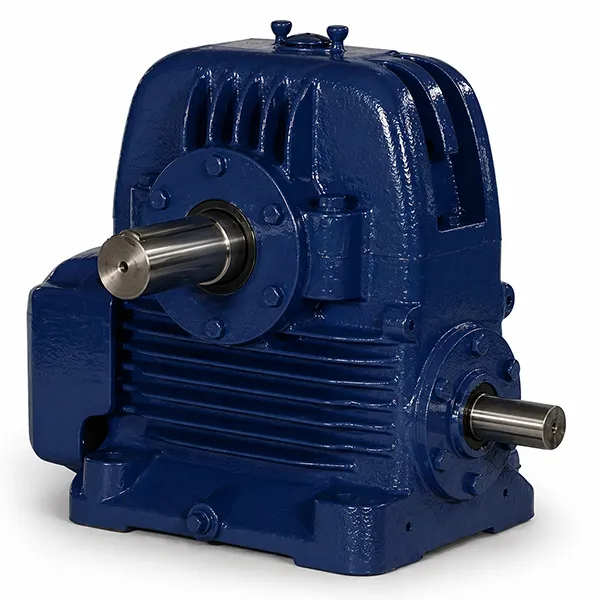
FU1000 (100 मिमी सेंटर डिस्टेंस) फ्रेम साइज में फेनर FU-टाइप वर्म गियरबॉक्स के लिए हॉरिजॉन्टल फुट-माउंट ड्रॉप-इन रिप्लेसमेंट। उच्च कठोरता वाले स्टील हब पर सैंडविच-कास्ट फॉस्फोर ब्रॉन्ज वर्म व्हील; सतह-कठोर और ग्राउंड वर्म शाफ्ट; दोनों शाफ्ट अक्षीय थ्रस्ट और ओवरहंग लोड के लिए उपयुक्त साइज के टेपर्ड रोलर/एंगुलर कॉन्टैक्ट बेयरिंग पर चलते हैं। BS 721:1963 प्रेसिजन क्लास A के अनुसार निर्मित — वही इंजीनियरिंग मानक जिसके आधार पर मूल FU-टाइप को डिजाइन किया गया था। कैटलॉग अनुपात 5:1 से 70:1 तक; 90°C ऑयल-बाथ लोडेड स्थिति में न्यूनतम गियर लाइफ 20,000 घंटे।
FU1000 — फेनर FU-टाइप वर्म गियरबॉक्स के लिए क्षैतिज फुट-माउंट ड्रॉप-इन रिप्लेसमेंट
यह कोरिया एवर-पावर FU1000 वर्म गियर रिड्यूसर, 100 मिमी सेंटर-डिस्टेंस फ्रेम साइज में फेनर FU-टाइप वर्म गियरबॉक्स का हॉरिजॉन्टल फुट-माउंट आफ्टरमार्केट रिप्लेसमेंट है। जहां FV-टाइप वर्म गियर रिड्यूसर वर्टिकल रूप से लगा होता है और फ्लेंज फेस के माध्यम से लोड से बोल्ट द्वारा जुड़ा होता है, वहीं FU-टाइप वर्म गियर रिड्यूसर हॉरिजॉन्टल रूप से लगा होता है और इसके कास्ट फीट हाउसिंग के निचले हिस्से पर होते हैं। ये मूल वर्म गियर रिड्यूसर उपकरण 1970 के दशक से लेकर अब तक हजारों कोरियाई और एशियाई कन्वेयर हेड पुली, रॉ-मिल गियरबॉक्स, मिनरल-प्रोसेसिंग स्क्रैपर ड्राइव और बल्क-मटेरियल हैंडलिंग लाइनों में उपयोग किए जाते रहे हैं। दशकों बाद, इन इंस्टॉलेशन्स के लिए किफायती और समान रिप्लेसमेंट की आवश्यकता है जो आसपास की मशीन को फिर से डिजाइन किए बिना मौजूदा फुटप्रिंट पर आसानी से फिट हो जाएं।
वर्म गियर रिड्यूसर का यांत्रिक कोर मूल विनिर्देश के अनुरूप है: एक सैंडविच-कास्ट फॉस्फोर ब्रॉन्ज़ वर्म व्हील जो उच्च-कठोरता वाले स्टील हब पर लगा है, एक उच्च-गुणवत्ता वाला केस-हार्डन्ड स्टील वर्म शाफ्ट जिसे सटीक रूप से निर्मित और महीन सतह फिनिश के लिए ग्राउंड किया गया है, और दोनों शाफ्ट टेपर्ड रोलर और एंगुलर कॉन्टैक्ट बेयरिंग पर चलते हैं जो अक्षीय दबाव के साथ-साथ फुट-माउंट कन्वेयर हेड पुली के विशिष्ट भारी ओवरहंग लोड को संभालने के लिए उपयुक्त आकार के हैं। संपूर्ण असेंबली BS 721:1963 प्रेसिजन क्लास A के अनुसार निर्मित है — वही ब्रिटिश इंजीनियरिंग मानक जिसे फेनर ने FU-प्रकार के पहले उत्पादन के समय निर्दिष्ट किया था। कैटलॉग अनुपात 5:1 से 70:1 तक की पूरी रेंज को कवर करते हैं। वर्टिकल-माउंट कॉन्फ़िगरेशन के लिए, हमारा देखें वर्म गियर रिड्यूसर निर्माता फेनर एफवी-प्रकार और एफए-प्रकार (अनुकूलनीय) प्रतिस्थापन वेरिएंट को कवर करने वाली सूची।
⚠ ब्रांड नामकरण संबंधी सूचना: फेनर® फेनर पावर ट्रांसमिशन / एफपीटी ग्रुप का पंजीकृत ट्रेडमार्क है; जेके फेनर® जेके फेनर (इंडिया) लिमिटेड का पंजीकृत भारतीय ब्रांड है। कोरिया एवर-पावर FU1000 एक आफ्टरमार्केट रिप्लेसमेंट के रूप में उपलब्ध है जिसे मूल FU-प्रकार के फ्रेम के साथ आकार में विनिमेय बनाया गया है; ब्रांड और मॉडल नामों का उल्लेख केवल पहचान के लिए किया गया है और कोरिया एवर-पावर नकली फेनर-ब्रांडेड या जेके फेनर-ब्रांडेड पुर्जे नहीं बनाती है।
FU1000 निर्माण विनिर्देश और सामग्री की गुणवत्ता
प्रतिस्थापन वर्म गियर रिड्यूसर मूल वर्म गियर रिड्यूसर की इंजीनियरिंग से मेल खाता है और मूल इंजीनियरिंग विनिर्देशों को सटीक रूप से क्लास ए मानक तक पहुंचाता है, जिससे यह अपनी गुणवत्ता साबित करता है। नीचे दी गई तालिका में उन सभी बातों का विवरण दिया गया है जिनकी हम आने वाली गुणवत्ता जांच के दौरान जांच करते हैं — प्रत्येक शिपमेंट लॉट से जारी किए गए वर्म गियर रिड्यूसर के लिए सामग्री प्रमाण पत्र, जो OEM और अंतिम-उपयोगकर्ता खरीदारों को ISO ऑडिट पैक के लिए आवश्यक होते हैं।
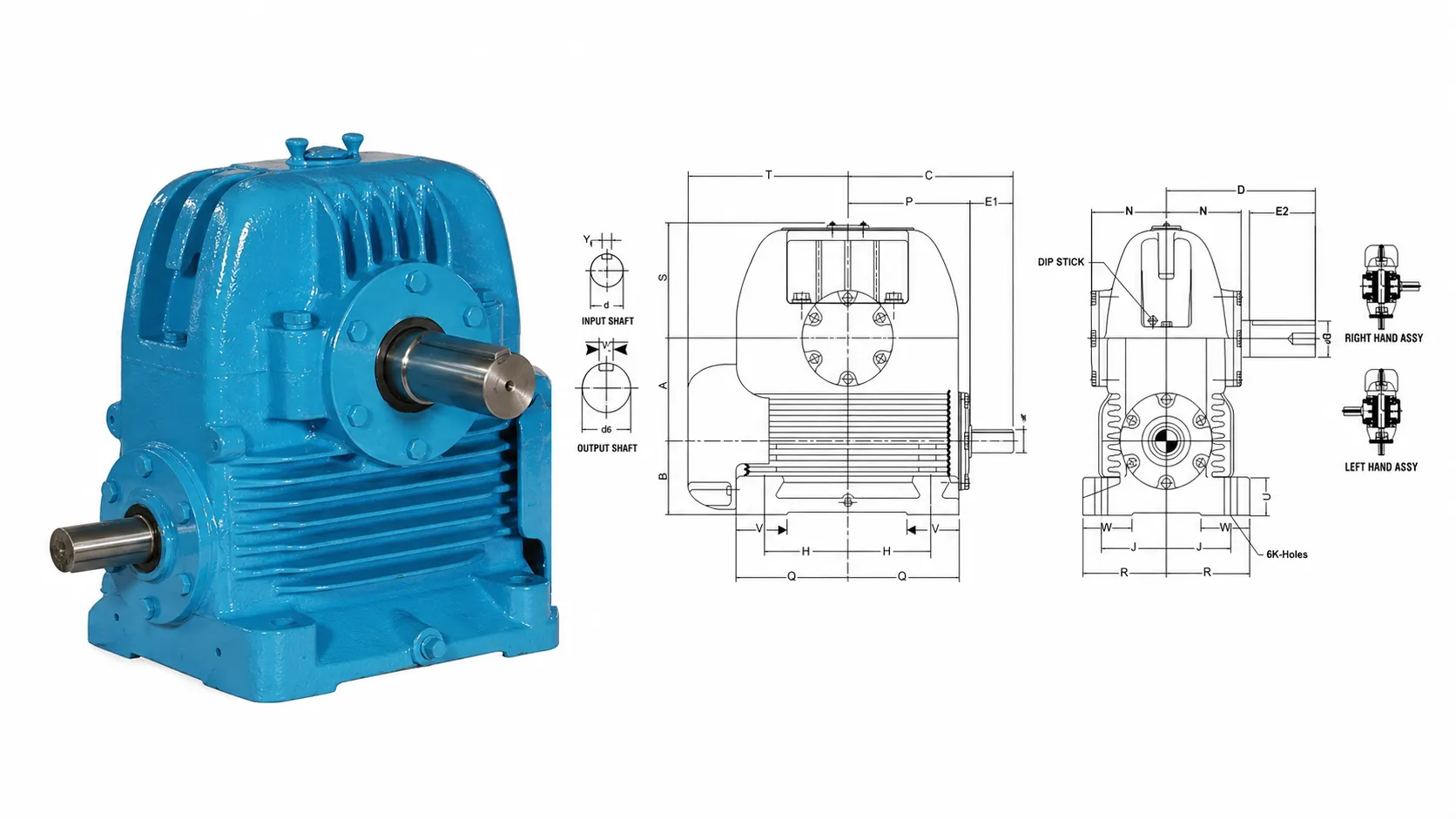
| आइटम बनाएं | FU1000 विनिर्देश |
|---|---|
| डिजाइन मानक | बीएस 721:1963 — वर्म गियरिंग परिशुद्धता वर्ग ए (मूल फेनर एफयू-प्रकार डिजाइन मानक) |
| माउंटिंग कॉन्फ़िगरेशन | हाउसिंग के निचले हिस्से पर ढाले हुए पैरों के साथ क्षैतिज फुट माउंट · एम16 एंकर बोल्ट छेद · ऊपरी हाउसिंग सतह पर स्पिरिट-लेवल संदर्भ अंकित है |
| केंद्र दूरी | 100 मिमी (FU1000 फ्रेम का पदनाम) |
| आवास सामग्री | एफजी-260 ग्रेड ग्रे कास्ट आयरन (बारीक दानेदार · रेत-ढलाई · तनाव-मुक्त · भारतीय/ब्रिटिश ग्रेड जो चीनी जीबी में एचटी250 और एएसटीएम ए48 क्लास 35 के समकक्ष है) |
| गर्मी लंपटता | हाउसिंग के बाहरी भाग में एकीकृत कास्ट कूलिंग फिन्स · 80°C से अधिक परिवेश तापमान को बनाए रखने के लिए वैकल्पिक इनपुट-शाफ्ट फैन · i ≥ 30 पर सिंगल-स्टेज वर्म मेश द्वारा उत्पन्न ऊष्मा भार को दूर करने के लिए डिज़ाइन किया गया है |
| वर्म शाफ्ट | उच्च गुणवत्ता वाला केस-हार्डन्ड स्टील · सटीक रूप से निर्मित · बारीक सतह फिनिश के लिए ग्राउंड किया गया · संपर्क सतह पर 0.4 µm Ra · 58–62 HRC कठोरता |
| कीड़ा पहिया | सैंडविच-कास्ट फॉस्फोर ब्रॉन्ज़ CuSn12 (≈ ZQSn12-2 प्रति GB/T 1176) — बोर पर हब की कठोरता के लिए स्टील हब के चारों ओर ढाला गया ब्रॉन्ज़ वर्किंग डायमीटर · बड़ा क्रॉस-सेक्शन |
| बियरिंग — वर्म शाफ्ट | उच्च गुणवत्ता वाले एंगुलर कॉन्टैक्ट बेयरिंग पेयर को निरंतर भार के तहत वर्म मेशिंग द्वारा अक्षीय दबाव को अवशोषित करने के लिए उपयुक्त आकार दिया गया है। |
| बियरिंग — आउटपुट शाफ्ट | टेपर्ड रोलर बेयरिंग पेयर — यह फुट-माउंट कन्वेयर हेड पुली के चेन या बेल्ट टेक-ऑफ के लिए विशिष्ट ओवरहैंग लोड को संभालता है। |
| कैटलॉग अनुपात | 5:1, 7.5:1, 10:1, 15:1, 20:1, 25:1, 30:1, 40:1, 50:1, 60:1, 70:1 (ग्यारह चरण) |
| इनपुट गति | 1,440 आरपीएम नाममात्र (50 हर्ट्ज पर 4-पोल आईईसी मोटर) · अनुरोध पर 960 आरपीएम विकल्प (6-पोल) उपलब्ध है |
| न्यूनतम गियर जीवन | 90 डिग्री सेल्सियस के तेल-स्नान में 20,000 घंटे तक लोड की गई स्थिति में (प्रत्येक शिपमेंट लॉट के लिए FU-प्रकार का मानक सत्यापित किया गया) |
| स्नेहन | मानक फिलिंग के लिए मिनरल सीएलपी 220 · 80°C से अधिक तापमान वाले ऑयल बाथ में लगातार उपयोग के लिए सिंथेटिक पीएजी आईएसओ वीजी 220 वैकल्पिक है · हर दो सप्ताह में साइट ग्लास के माध्यम से तेल का स्तर जांचें — किसी अन्य नियमित रखरखाव की आवश्यकता नहीं है |
| सील | इनपुट और आउटपुट शाफ्ट पर विटन लिप सील · निरीक्षण कवर पर ओ-रिंग · −10 °C से +90 °C तक निरंतर सेवा रेंज |
| आउटपुट कॉन्फ़िगरेशन | ठोस कुंजीयुक्त आउटपुट शाफ्ट (DIN 6885 समानांतर कुंजी) · खोखले बोर वाला आउटपुट भी ऑर्डर पर उपलब्ध है |
| गारंटी | चालू होने के 12 महीने बाद · शिपमेंट के 18 महीने बाद |
फेनर FU फ्रेम रेंज में FU1000 की स्थिति
| फेनर एफयू फ्रेम | केंद्र दूरी | इनपुट पावर बैंड | आउटपुट शाफ्ट Ø | सामान्य अनुप्रयोग वर्ग |
|---|---|---|---|---|
| एफयू400 | 40 मिमी | 0.18 – 0.55 किलोवाट | 19 मिमी | हल्के काम वाले कन्वेयर |
| एफयू500 | 50 मिमी | 0.25 – 0.75 किलोवाट | 25 मिमी | पैकेजिंग-लाइन इंडेक्सर्स |
| एफयू630 | 63 मिमी | 0.37 – 1.5 किलोवाट | 28 मिमी | मध्य कन्वेयर, आंदोलनकारी |
| एफयू750 | 75 मिमी | 0.55 – 2.2 किलोवाट | 35 मिमी | औद्योगिक कन्वेयर |
| FU1000 (यह पृष्ठ) | 100 मिमी | 1.5 – 5.5 किलोवाट | 42 मिमी | भारी कन्वेयर, रॉ-मिल ड्राइव, स्क्रैपर कन्वेयर |
| एफयू1250 | 125 मिमी | 3.0 – 11 किलोवाट | 50 मिमी | खनन सहायक उपकरण, स्क्रू कन्वेयर |
| एफयू1500 | 150 मिमी | 5.5 – 18 किलोवाट | 60 मिमी | भारी खनन, बड़े बाल्टी लिफ्ट |
| एफयू1800 | 180 मिमी | 7.5 – 22 किलोवाट | 70 मिमी | सीमेंट रॉ-मिल ड्राइव, भट्टी सहायक उपकरण |
फेनर FU रेंज में FU1000 वर्म गियर रिड्यूसर का पदनाम 100 मिमी सेंटर-डिस्टेंस फ्रेम के अनुरूप है - जो कोरियाई और एशियाई प्रसंस्करण संयंत्रों में सबसे लोकप्रिय हेवी-कन्वेयर और रॉ-मिल आकार है। पावर और टॉर्क क्षमता FU परिवार के ऊपरी-मध्य वर्ग में आती है।
FU बनाम FV बनाम FA — फेनर माउंटिंग कोड को पढ़ना
जेके फेनर के वर्म रिडक्शन गियर बॉक्स कैटलॉग में फेनर वर्म गियर रिड्यूसर परिवार के मूल मॉडल (जिन्हें जेके फेनर रेफरेंस कैटलॉग में FA, FU और FV नाम दिया गया है) में एक ही आंतरिक वर्म-एंड-व्हील संरचना, एक ही BS 721:1963 डिज़ाइन मानक और एक ही FG-260 कास्ट आयरन हाउसिंग सामग्री का उपयोग किया गया है। इन तीनों मॉडलों में केवल माउंटिंग ओरिएंटेशन का अंतर है। रिप्लेसमेंट ऑर्डर करते समय गलत मॉडल का चयन करना ही सबसे आम कारण है कि मेंटेनेंस टीम को पता चलता है कि नया मॉडल पुराने मॉडल पर फिट नहीं हो रहा है।
| फेनर कोड | माउंटिंग पैटर्न | जहां निर्दिष्ट हो |
|---|---|---|
| FU (यह पृष्ठ) | क्षैतिज फुट माउंट | हाउसिंग के निचले हिस्से पर ढले हुए पैर · हाउसिंग क्षैतिज रूप से स्थित है · आउटपुट शाफ्ट क्षैतिज है · कन्वेयर हेड पुली, रॉ-मिल ड्राइव, स्क्रैपर कन्वेयर और किसी भी फ्लैट मशीन डेक वाले इंस्टॉलेशन के लिए मानक कॉन्फ़िगरेशन |
| एफवी | वर्टिकल फ्लेंज माउंट | आउटपुट फ्लेंज फेस बोल्ट सीधे वर्टिकल-एक्सिस ड्राइव मशीन से जुड़ता है · इसमें फुट माउंट की आवश्यकता नहीं होती है · इसका उपयोग टॉप-माउंटेड मिक्सर, वर्टिकल पंप बॉडी और वर्टिकल-शाफ्ट स्लीविंग ड्राइव में किया जाता है जहां गियरबॉक्स लोड से लटका रहता है |
| एफए | अनुकूलनीय / सार्वभौमिक | संयुक्त हाउसिंग फुट माउंट और फ्लेंज माउंट दोनों को सपोर्ट करती है · FU या FV से थोड़ी भारी · इसका उपयोग तब किया जाता है जब एक ही गियरबॉक्स SKU को उत्पाद श्रृंखला में कई मशीन वेरिएंट के लिए उपयुक्त होना हो |
FU1000 के प्रतिस्थापन के लिए वर्म गियर रिड्यूसर का नियम सरल है: मौजूदा नेमप्लेट पर "FU" लिखा होना चाहिए, "FV" या "FA" नहीं। FU1000, FV1000 के फुटप्रिंट पर फिट नहीं होगा और इसके विपरीत भी - दोनों के माउंटिंग पैटर्न पूरी तरह से अलग हैं। कोटेशन के समय हमें मौजूदा नेमप्लेट की एक स्पष्ट तस्वीर भेजें और हम शिपमेंट से पहले सही प्रतिस्थापन कोड की पुष्टि करेंगे।
सैंडविच-कास्ट कांस्य पहिया क्यों महत्वपूर्ण है?
किसी भी वर्म गियर रिड्यूसर के सर्विस लाइफ में फॉस्फोर ब्रॉन्ज़ वर्म व्हील सबसे महत्वपूर्ण घटक होता है। इसकी नरम सतह कठोर स्टील वर्म थ्रेड के साथ घिसती है, और अंततः इसके घिसाव की सीमा तक पहुँचने पर ही यह निर्धारित होता है कि रखरखाव टीम को गियरबॉक्स को कब री-टूथ या यूनिट रिप्लेसमेंट के लिए सर्विस से बाहर निकालना होगा। इस व्हील के निर्माण की दो तकनीकें मौजूद हैं: सॉलिड-कास्ट ब्रॉन्ज़ (पूरा व्हील ब्रॉन्ज़ का होता है, जिसमें बोर भी शामिल है) और स्टील हब पर सैंडविच-कास्ट ब्रॉन्ज़ (केवल वर्किंग रिंग ब्रॉन्ज़ की होती है, बोर और हब को स्टील इंसर्ट में मशीनिंग करके बनाया जाता है)।
फेनर ने मूल डिज़ाइन चरण से ही FU-प्रकार के लिए सैंडविच-कास्ट वर्म गियर रिड्यूसर व्हील निर्दिष्ट किए थे, और कोरिया एवर-पावर FU1000 वर्म गियर रिड्यूसर मूल वर्म गियर रिड्यूसर संरचना का अनुसरण करता है। इसके दो कारण हैं। पहला, सैंडविच कास्टिंग गियरबॉक्स की ज़रूरतों के अनुसार सामग्री की मज़बूती प्रदान करती है — बोर और कीवे पर स्टील हब शाफ्ट-फिटिंग तनाव और की-चालित टॉर्क संचरण का कांस्य हब की तुलना में कहीं बेहतर प्रतिरोध करता है, जिससे सेवा जीवन के दौरान बोर का विस्तार और की-फ्लैंक का घिसाव रुकता है। दूसरा, इस तकनीक में कांस्य का उपयोग केवल वर्किंग रिंग में किया जाता है जहाँ यह वास्तव में वर्म थ्रेड के संपर्क में आता है; इससे समान रेटिंग वाले सॉलिड-कास्ट व्हील की तुलना में कांस्य की मात्रा आधी हो जाती है और प्रति यूनिट कीमत आनुपातिक रूप से कम हो जाती है।
वर्म गियर रिड्यूसर व्हील का कांस्य फॉस्फोर ब्रॉन्ज़ CuSn12 (चीनी GB/T 1176 के अनुसार लगभग ZQSn12-2) है — इसमें 12% टिन, शेष तांबा और फॉस्फोरस डीऑक्सीडाइज़र होता है। यह वही मिश्र धातु विनिर्देश है जिसका उपयोग मूल FU-प्रकार में किया गया था, और संरचनात्मक मिलान की पुष्टि के लिए अनुरोध पर प्रत्येक ढलाई बैच से सामग्री प्रमाण पत्र जारी किए जाते हैं। सस्ते प्रतिस्थापन मिश्र धातुओं (उदाहरण के लिए, ZQSn6-6-3 लेड ब्रॉन्ज़) में ठोस-ढाले पहियों की कीमत लगभग 15% कम हो जाएगी, लेकिन निरंतर उपयोग में सेवा जीवन 30-40% तक कम हो जाएगा — हम ग्राहक की स्पष्ट स्वीकृति और तदनुसार मूल्य में कमी के बिना प्रतिस्थापन नहीं करते हैं। 90°C भारित स्थिति में 20,000 घंटे का न्यूनतम गियर जीवन, जिसके आधार पर FU-प्रकार का मानक निर्धारित किया गया है, वास्तविक CuSn12 विनिर्देश को मानता है।
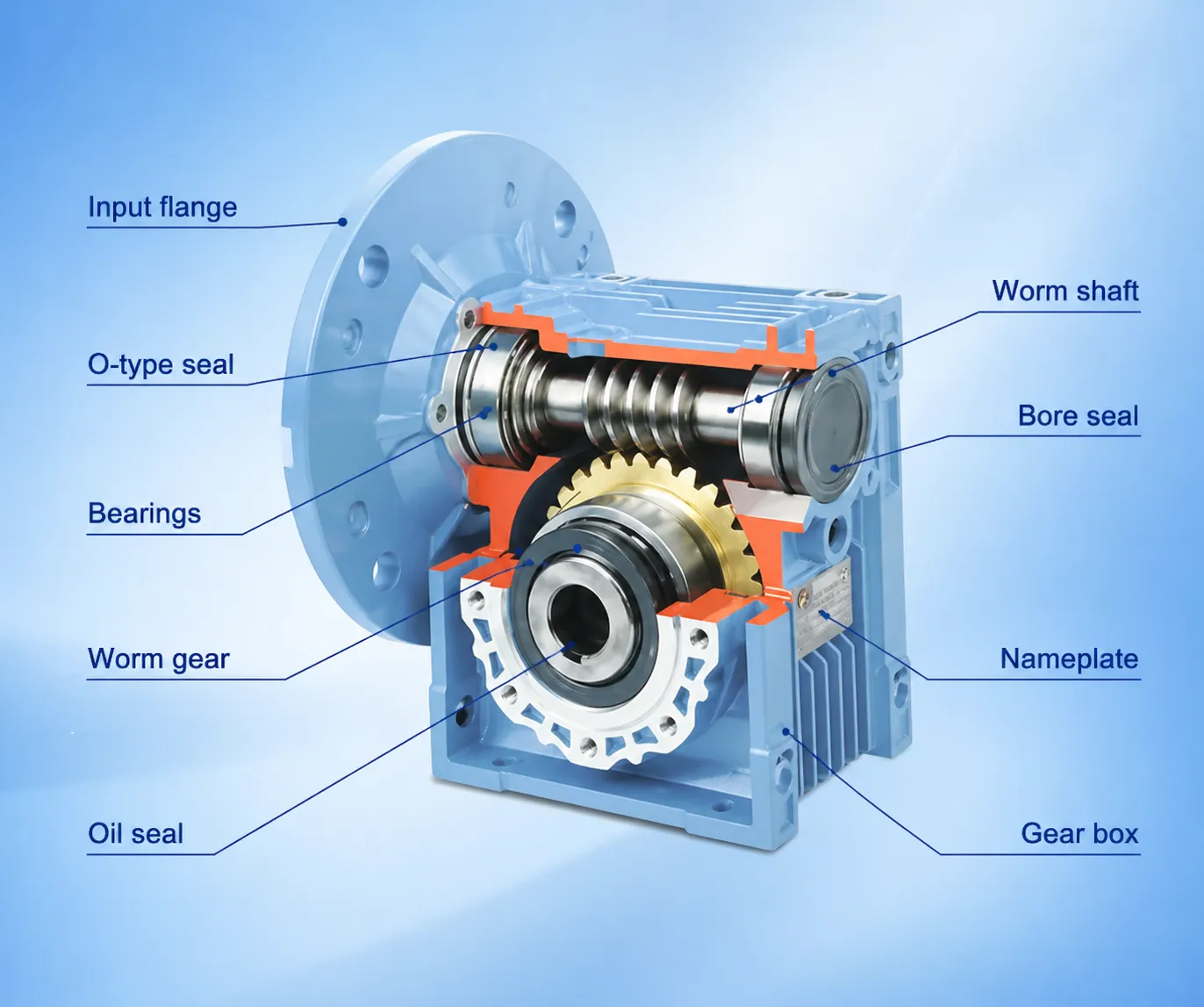
भारी-भरकम संयंत्र क्षेत्रों में जहां FU1000 मूल उपकरणों की जगह लेता है
फेनर FU हॉरिजॉन्टल रेंज में सबसे लोकप्रिय मिड-हैवी फ्रेम के रूप में, FU1000 वर्म गियर रिड्यूसर अपने छोटे समकक्षों की तुलना में भारी औद्योगिक अनुप्रयोगों की एक विस्तृत श्रृंखला में उपयोग किया जाता है। नीचे दिए गए पांच क्षेत्रों में पिछले बारह महीनों में कोरियाई, भारतीय, वियतनामी और थाई संयंत्रों को भेजे गए लगभग 80% FU1000 प्रतिस्थापन ऑर्डर शामिल हैं - जिनमें से प्रत्येक में एक विशिष्ट मोटर और अनुपात संयोजन है जो इंस्टॉलेशन को परिभाषित करता है।
भारी कन्वेयर हेड-पुली ड्राइव
कोरियाई स्टील मिल के स्क्रैप-हैंडलिंग कन्वेयर और भारतीय बल्क-मटेरियल हैंडलिंग लाइनों में FU1000 वर्म गियर रिड्यूसर का उपयोग किया जाता है। यह FU1000 i=30 पर 4.0 kW IE3 मोटरों के साथ चलता है। क्षैतिज फुट-माउंट कन्वेयर फ्रेम पर आसानी से फिट हो जाता है, और 48 rpm की आउटपुट गति 250 mm हेड पुली पर मानक 0.6 m/s बेल्ट गति के बराबर होती है। टेपर्ड रोलर आउटपुट बेयरिंग चेन और स्प्रोकेट के टेक-ऑफ से उत्पन्न रेडियल मोमेंट को अवशोषित कर लेता है, इसके लिए अलग से पिलो ब्लॉक की आवश्यकता नहीं होती है।
सीमेंट प्लांट रॉ-मिल सहायक ड्राइव
कोरियाई और भारतीय सीमेंट संयंत्रों में सीमेंट रॉ-मिल फीड कन्वेयर, सेपरेटर-वेन ड्राइव और क्लिंकर-कूलर इंडेक्सर सभी FU1000 वर्म गियर रिड्यूसर का उपयोग करते हैं, जो 3.0 kW मोटरों के साथ i=40 पर चलता है। कास्ट आयरन का आवरण लगातार धूल भरे वातावरण को अवशोषित कर लेता है, जो हल्के आवरण वाले विकल्पों को कुछ ही महीनों में नष्ट कर देता है - यही कारण है कि 1970 के दशक से इन कार्यों के लिए मूल फेनर FU-प्रकार को ही चुना गया था।
खनिज-प्रसंस्करण स्क्रैपर और रिक्लेमर ड्राइव
स्टॉकपाइल रिक्लेमर स्क्रैपर ड्राइव और मिनरल-फाइन्स एक्सट्रैक्टर कन्वेयर, वर्म गियर रिड्यूसर को संचालित करते हैं और 5.5 kW IE3 मोटरों के साथ i=50 पर FU1000 को संचालित करते हैं। सेल्फ-लॉकिंग i ≥ 30 अनुपात यहाँ महत्वपूर्ण है: दूरस्थ खनिज-प्रसंस्करण स्थलों पर बिजली की खपत में गिरावट आम बात है, और लोड किए गए स्क्रैपर कॉलम को लोड के तहत गियरबॉक्स को रिवर्स-ड्राइव करने की अनुमति नहीं दी जा सकती है — मूल FU विनिर्देश इसे रोकता है, और प्रतिस्थापन इसके व्यवहार से पूरी तरह मेल खाता है।
चीनी मिल और डिस्टिलरी प्रक्रिया संचालित करती है
भारतीय और दक्षिण-पूर्वी एशियाई चीनी मिलों में गन्ने की पेराई मशीन के फीड टेबल, बैगास कन्वेयर और गुड़ पंप फीडर FU1000 वर्म गियर रिड्यूसर का उपयोग करते हैं। इन मिलों में FU1000 को i=20 से i=30 के कोण पर 2.2–4.0 kW मोटरों के साथ इस्तेमाल किया जाता है। शुष्क और आर्द्र मौसम में मिल संचालन के दौरान प्रक्रिया द्रव की धुंध और बदलते परिवेश तापमान इसकी मुख्य विशेषताएं हैं। फॉस्फोर ब्रॉन्ज व्हील और कास्ट आयरन हाउसिंग 7 महीने के सामान्य वार्षिक संचालन के दौरान इन दोनों स्थितियों को बिना किसी समस्या के संभाल लेते हैं।
बकेट एलिवेटर बूट ड्राइव
कोरियाई और वियतनामी मिलों में अनाज, आटा और पशु आहार संभालने वाले अपकेंद्री-निर्वहन बाल्टी लिफ्ट अपने बूट पुली को FU1000 वर्म गियर रिड्यूसर के साथ i=60 पर 2.2 kW मोटरों द्वारा संचालित करते हैं। बूट पर 24 rpm की आउटपुट गति उत्पाद के वापस आने के बिना महीन कणों को संभालने के लिए आवश्यक धीमी, सकारात्मक बाल्टी गति प्रदान करती है। वर्म ज्यामिति पर स्व-लॉकिंग मध्य चक्र में बिजली चले जाने पर बाल्टी के गिरने को रोकती है।

साइजिंग और चयन — सही FU1000 कॉन्फ़िगरेशन की गणना करना
यहां तक कि एक जैसे वर्म गियर रिड्यूसर के प्रतिस्थापन ऑर्डर पर भी, मौजूदा परिचालन स्थितियों के आधार पर आकार का पुनः सत्यापन किया जाना चाहिए - न कि केवल मौजूदा खराब इकाई के नाम से मिलान किया जाना चाहिए। वर्म गियर रिड्यूसर संयंत्रों में वर्षों से भार में बदलाव होता रहता है (भारी उत्पाद, उच्च लाइन गति, लंबे कार्य चक्र) और 20 वर्ष पुराना मूल उपकरण दो दशक पहले की परिचालन स्थितियों के अनुसार आकारित किया गया था। नीचे दी गई चार-चरणीय आकार समीक्षा लगभग 90% मामलों को पकड़ लेती है जहां मूल फ्रेम का आकार वर्तमान भार के लिए अब सही नहीं है।
चरण 1 — वास्तविक ट्रांसमिशन लोड की तुलना कैटलॉग में दिए गए रेटेड मान से करें। वर्म गियर रिड्यूसर का कैटलॉग रेटेड मान एकसमान भार के तहत प्रतिदिन 10 घंटे के उपयोग के लिए मापा जाता है। तीन-शिफ्ट निरंतर कार्य के लिए, वास्तविक ट्रांसमिशन भार को सर्विस फैक्टर से गुणा करें: मध्यम झटके वाले भार के लिए SF=1.4, भारी झटके या रिवर्सिंग कार्य के लिए SF=1.8। समतुल्य भार = वास्तविक भार × सर्विस फैक्टर। चयनित FU1000 कैटलॉग रेटिंग इस समतुल्य भार के बराबर या उससे अधिक होनी चाहिए।
चरण 2 — क्षणिक ओवरलोड की संभावना को ध्यान में रखें। FU-प्रकार के वर्म गियर रिड्यूसर की कैटलॉग रेटिंग स्टार्टअप, ब्रेकिंग या संचालन के दौरान 100% क्षणिक ओवरलोड की अनुमति देती है, जो प्रति दिन अधिकतम 10 बार तक हो सकता है। चयनित इकाई का कैटलॉग रेटेड मान संचालन के दौरान प्राप्त अधिकतम ओवरलोड के आधे के बराबर या उससे अधिक होना चाहिए। ऐसे कन्वेयर के लिए जो जाम की स्थिति में थोड़े समय के लिए रुक जाता है और रेटेड करंट का 2 गुना खींचता है, चयनित FU1000 फ्रेम की रेटिंग निरंतर करंट के 1 गुना और पीक करंट के 0.5 गुना से अधिक होनी चाहिए - यह आमतौर पर निरंतर साइजिंग के सुझाव से अगले बड़े फ्रेम का चयन करके प्राप्त किया जाता है।
चरण 3 — आवश्यक ट्रांसमिशन अनुपात और आउटपुट टॉर्क की गणना करें। वर्म गियर रिड्यूसर के लिए: आउटपुट आरपीएम = मोटर आरपीएम / ट्रांसमिशन अनुपात। 1,440 आरपीएम मोटर और हेड पुली पर लक्षित 48 आरपीएम के लिए, अनुपात 30:1 है — कैटलॉग अनुपातों से मिलान करें (i=30 एक मानक चरण है)। आउटपुट टॉर्क T_out = (इनपुट पावर × 9550 × η) / आउटपुट आरपीएम, जहाँ η मेश दक्षता है (i=30 पर लगभग 0.70, i=60 पर घटकर 0.60 हो जाती है)।
चरण 4 — निरंतर संचालन के लिए तापीय क्षमता का सत्यापन करें। वर्म गियर रिड्यूसर की ऊष्मा उत्पादन = इनपुट पावर × (1 − η)। i=30 पर 5.5 kW इनपुट के लिए, हाउसिंग को 5.5 × 0.30 = 1.65 kW ऊष्मा का अपव्यय करना होगा। स्थिर वायु स्थापना के साथ 25 °C परिवेश तापमान पर FU1000 कास्ट-आयरन हाउसिंग लगभग 1.4–1.5 kW ऊष्मा का अपव्यय करती है। वास्तविक 5.5 kW निरंतर-ड्यूटी के मामले में, या तो निरंतर 4.5 kW तक डिरेटिंग स्वीकार करें, हाउसिंग के चारों ओर जबरन वायु वेंटिलेशन जोड़ें, या FU1250 पर अपग्रेड करें।
वर्म गियरबॉक्स की विफलता के आठ सामान्य प्रकार और उनके क्षेत्र में समाधान
चाहे खराब हुआ वर्म गियर रिड्यूसर मूल फेनर FU1000 हो या पहले का कोई प्रतिस्थापन, रखरखाव टीम को मिलने वाली वर्म गियर रिड्यूसर की विफलता के तरीके लगभग एक जैसे ही होते हैं क्योंकि उनकी आंतरिक संरचना एक समान होती है। नीचे दी गई संदर्भ तालिका में सबसे अधिक रिपोर्ट किए गए आठ निदान पैटर्न और उनके सुधारात्मक उपायों का सारांश दिया गया है — यही वर्म गियर रिड्यूसर फील्ड-ट्रबलशूटिंग शीट हमारे इंजीनियर कोरियाई और एशियाई संयंत्रों के दौरे के दौरान अपने साथ ले जाते हैं।
| लक्षण | संभावित कारण | सुधारात्मक कार्रवाई |
|---|---|---|
| overheating | गियरबॉक्स पर अत्यधिक भार, अपर्याप्त स्नेहन, या हाउसिंग के आसपास खराब वेंटिलेशन। | लोड कम करें या FU1000 फ्रेम का आकार बढ़ाएं, लुब्रिकेंट डालें या बदलें, कास्ट-आयरन हाउसिंग फिन्स के आसपास वायु प्रवाह में सुधार करें। |
| श्रव्य शोर | पुर्जों का ढीला होना, गियर या बेयरिंग का घिस जाना, या वर्म और व्हील के बीच खराब मेसिंग पैटर्न होना। | ढीले पुर्जों को कसें, घिसे हुए गियर या बेयरिंग को बदलें, बेयरिंग सीटों पर शिम पैक के माध्यम से मेश पैटर्न को समायोजित करें। |
| कंपन | माउंटिंग बोल्ट ढीले होना, शाफ्ट का गलत संरेखण होना, या घूर्णन भार का असंतुलन होना। | माउंटिंग बोल्ट को विनिर्देशों के अनुसार कसें, शाफ्ट को कपलिंग टॉलरेंस के अनुसार संरेखित करें, और घूर्णनशील घटकों को संतुलित करें। |
| तेल रिसाव | सील करने वाली सतहों पर घिसी हुई लिप सील या गैस्केट, या ढीले फास्टनर बोल्ट। | सील और गैस्केट बदलें, हाउसिंग बोल्ट को विनिर्देशों के अनुसार पुनः कसें, और यदि दबाव का संदेह हो तो ब्रीदर प्लग को साफ करें। |
| गियरबॉक्स काम नहीं कर रहा है | ड्राइव ट्रेन में विद्युत या यांत्रिक खराबी, या इनपुट या आउटपुट शाफ्ट में रुकावट। | आंतरिक खराबी का संदेह होने से पहले, विद्युत और यांत्रिक ड्राइव घटकों की क्रमबद्ध रूप से जांच करें और इनपुट या आउटपुट शाफ्ट में मौजूद रुकावटों को दूर करें। |
| कम दक्षता | निम्न गुणवत्ता वाला स्नेहक, दूषित तेल, या घिसे हुए गियर या बेयरिंग। | उच्च गुणवत्ता वाले सिंथेटिक PAG VG 220 का उपयोग करें, दूषित तेल को निकाल दें और साफ कर दें, घिसे हुए गियर या बेयरिंग को बदल दें। |
| समय से पहले घिसाव | गियरबॉक्स पर अत्यधिक भार, निम्न गुणवत्ता वाला स्नेहक, या रखरखाव की खराब व्यवस्था। | लोड को सर्विस-फैक्टर सीमा के भीतर कम करें, लुब्रिकेंट ग्रेड को अपग्रेड करें, रखरखाव अनुसूची को औपचारिक रूप दें। |
| शाफ्ट टूटना | गियरबॉक्स पर अत्यधिक भार होना, या इनपुट या आउटपुट साइड पर कपलिंग का गलत संरेखण होना। | यूनिट को बदलने से पहले लोड कम करें, शाफ्ट को tighter कपलिंग टॉलरेंस के अनुसार पुनः संरेखित करें और ओवरलोड के मूल कारण की जांच करें। |
सहचर घटक और आसन्न रिड्यूसर लाइनें
FU1000 वर्म गियर रिड्यूसर का उपयोग करने वाले संयंत्र आमतौर पर इस यूनिट को तीन श्रेणियों के पूरक उत्पादों के साथ-साथ हमारे व्यापक उत्पाद श्रृंखला से समानांतर रिड्यूसर परिवारों के साथ जोड़ते हैं। कोरियाई वर्म गियर रिड्यूसर निर्माता सूची। नीचे दिए गए चारों में वही मानक वर्गीकरण है जो हम वर्म गियरबॉक्स प्रतिस्थापन परियोजनाओं में लागू करते हैं।
ड्राइव शाफ्ट (ट्रांसमिशन कंपेनियन)। भारी कन्वेयर हेड-पुली ड्राइव में अक्सर FU1000 आउटपुट और हेड-पुली इनपुट के बीच एक छोटा कार्डन या CV-जॉइंटेड ड्राइव शाफ्ट इस्तेमाल किया जाता है, जहां गियरबॉक्स अपने फुट माउंट पर ऑफसेट स्थिति में होता है और हेड पुली कन्वेयर संरचना पर टिकी होती है। ड्राइव शाफ्ट थर्मल विस्तार और संरचनात्मक सेटलमेंट के कारण उत्पन्न होने वाले छोटे कोणीय और समानांतर मिसअलाइनमेंट को संभालता है। देखें पीटीओ और सीवी संयुक्त ड्राइव शाफ्ट समान लंबाई वाली असेंबली के लिए।
वर्म और वर्म व्हील के जोड़े (आंतरिक अतिरिक्त पुर्जे)। किसी भी FU1000 गियरबॉक्स के अंदर फॉस्फोर ब्रॉन्ज़ वर्म व्हील और सतह-कठोर वर्म शाफ्ट मुख्य घिसावट वाले घटक होते हैं। 25,000-35,000 परिचालन घंटों के बाद, व्हील आमतौर पर अपनी घिसावट सीमा तक पहुँच जाता है, जबकि कास्ट-आयरन हाउसिंग और टेपर्ड रोलर बेयरिंग उपयोग योग्य बने रहते हैं। एक री-टूथ किट रखरखाव टीम को पूरे यूनिट को बदलने की लागत के एक तिहाई खर्च पर गियरबॉक्स को उसकी जगह पर ही फिर से बनाने की सुविधा देती है। यह किट हर FU-प्रकार के फ्रेम के लिए उपयुक्त आकार में उपलब्ध है। वर्म और वर्म व्हील जोड़े.
प्लेनेटरी गियर रिड्यूसर (सिस्टर प्रोडक्ट लाइन)। जहां अनुप्रयोग में उच्च यांत्रिक दक्षता (≥ 95%) या सटीक स्थिति निर्धारण की आवश्यकता होती है, न कि FU-प्रकार के स्व-लॉकिंग होल्डिंग टॉर्क की — उदाहरण के लिए सर्वो-चालित इंडेक्सिंग रोटरी या सटीक फीड-स्क्रू ड्राइव जो मॉड्यूलर प्लांट लाइनों में FU1000 के साथ युग्मित होते हैं — वहां एक प्लेनेटरी गियरबॉक्स उपयुक्त वैकल्पिक रिड्यूसर परिवार है। आपूर्तिकर्ता एक ही है, लेकिन ड्राइव सिद्धांत भिन्न है। देखें ग्रहीय गियर रिड्यूसर सीधी रेखा और समकोण श्रेणियों के लिए।
कृषि गियरबॉक्स (उद्योग-विशिष्ट सहयोगी उत्पाद)। चीनी मिलें, अनाज गोदाम और पशु आहार प्रसंस्करण संयंत्र जो अपनी मुख्य प्रक्रिया लाइन में FU1000 का उपयोग करते हैं, अक्सर अपने ट्रैक्टर-पीटीओ और सिंचाई ड्राइव पर हमारे कृषि गियरबॉक्स कैटलॉग का उपयोग करते हैं। वही कांस्य-पहिया और स्टील-वर्म तकनीक, बाहरी खेतों में उपयोग के लिए अनुकूलित। ब्राउज़ करें कृषि गियरबॉक्स प्रतिस्थापन फील्ड इक्विपमेंट रेंज के लिए।
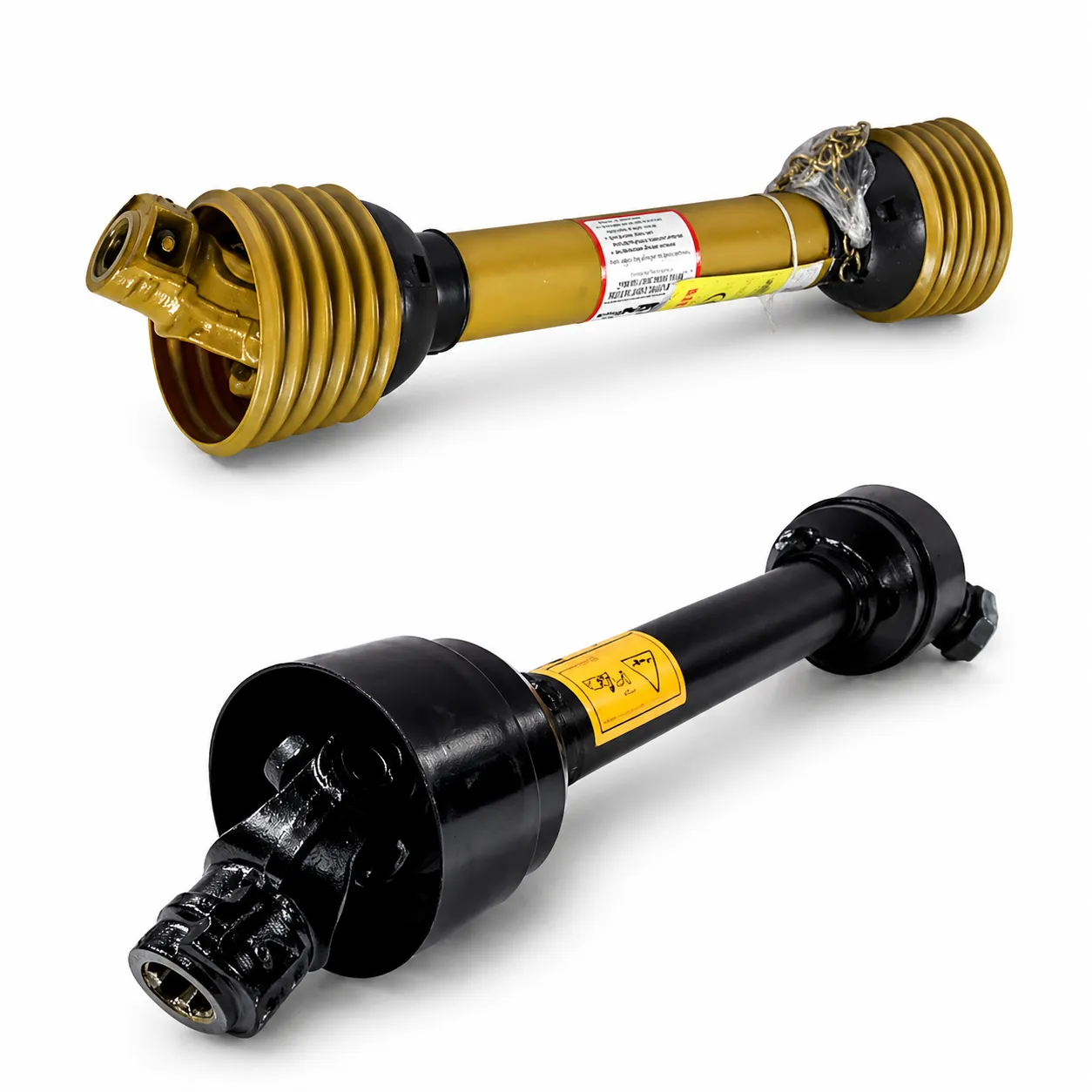
ड्राइव शाफ्ट (संचरण साथी)
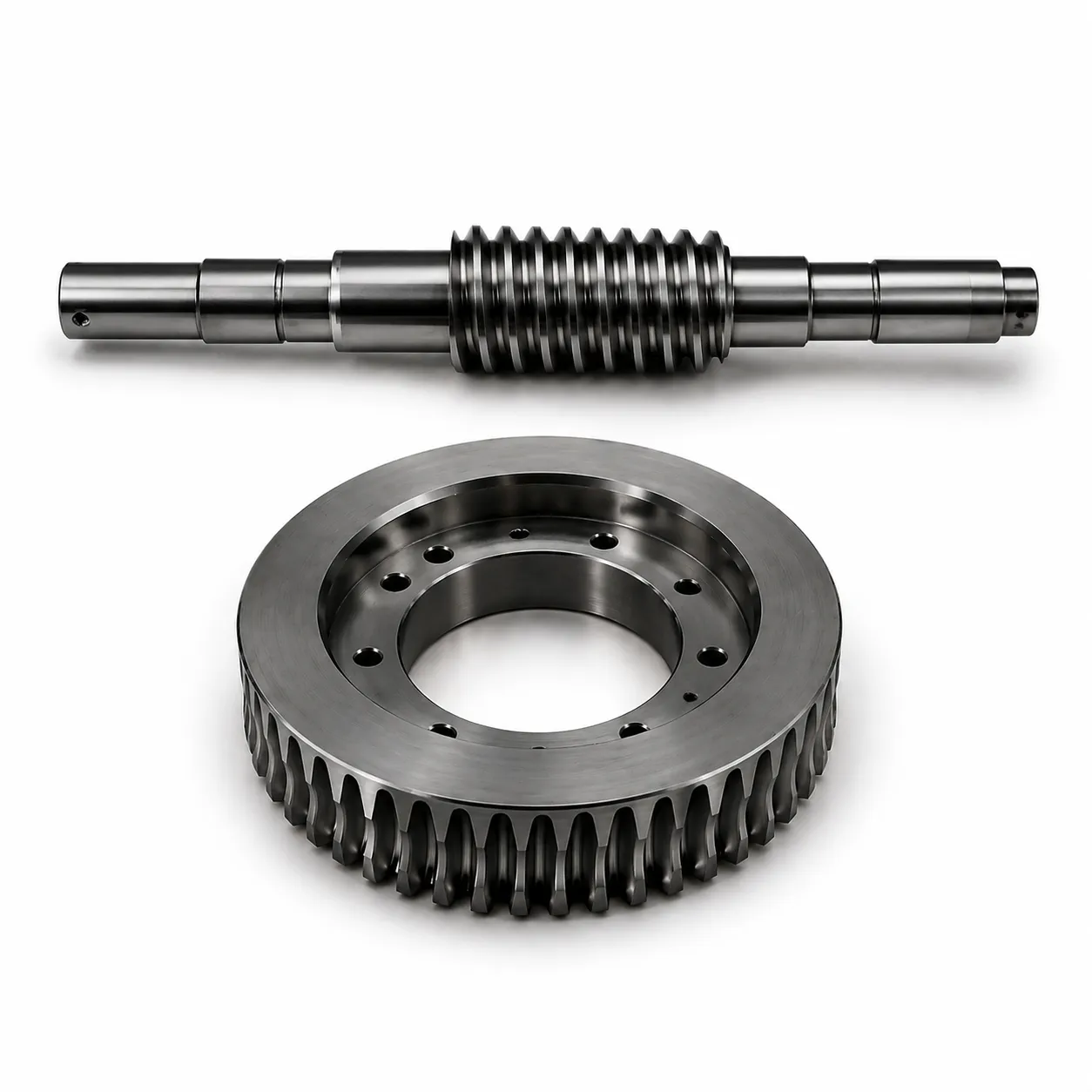
वर्म गियर जोड़े (आंतरिक अतिरिक्त पुर्जे)
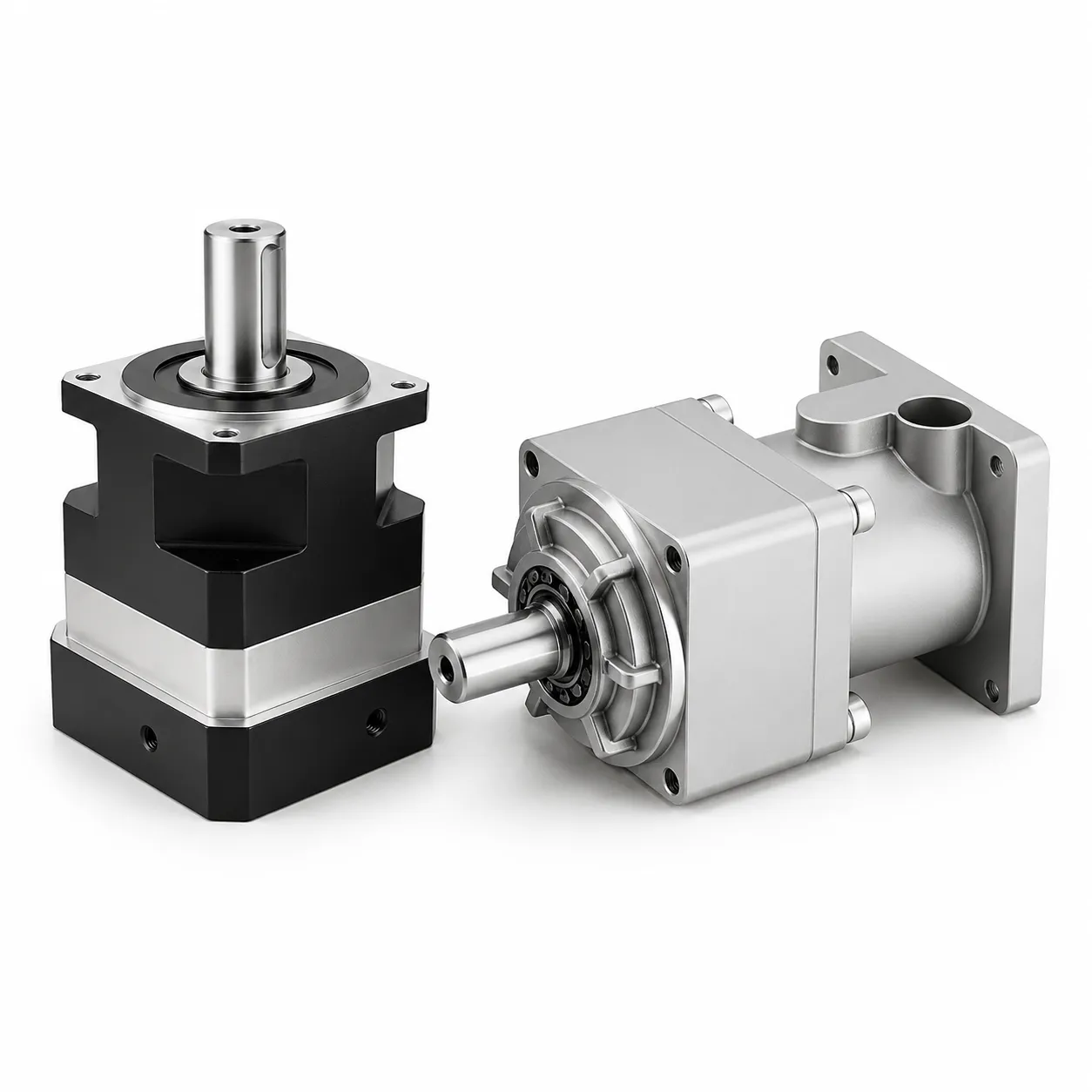
ग्रहीय गियरबॉक्स (सहयोगी उत्पाद श्रृंखला)
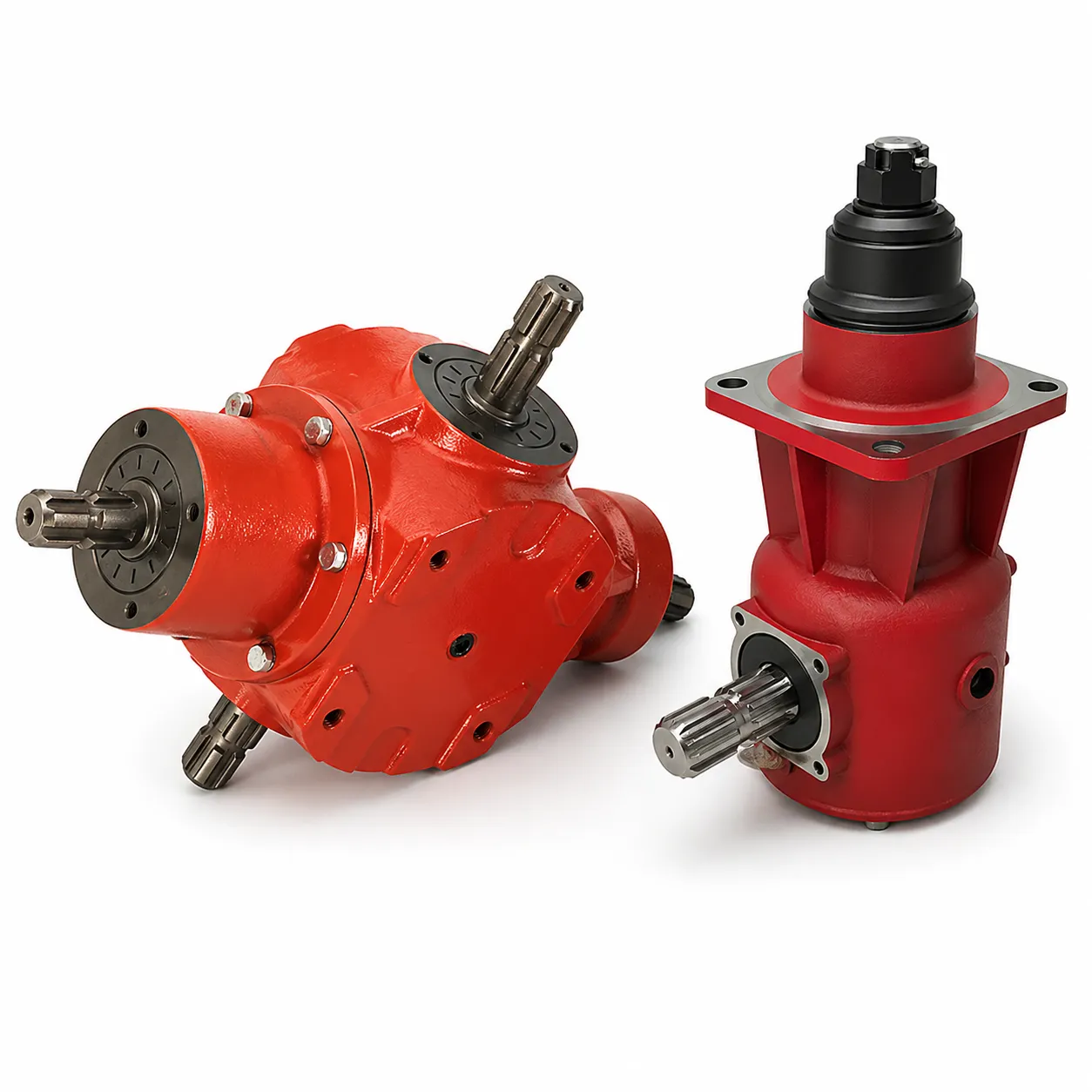
कृषि गियरबॉक्स (सहयोगी उत्पाद श्रृंखला)
FU1000 सोर्सिंग और इंजीनियरिंग से संबंधित अक्सर पूछे जाने वाले प्रश्न
नीचे दिए गए प्रश्न पिछले 18 महीनों में हमारे कोरियाई कार्यालय के माध्यम से FU1000 प्रतिस्थापन की खरीद करने वाले खरीद इंजीनियरों और संयंत्र रखरखाव प्रमुखों द्वारा पूछे गए हैं। उत्तर कोरिया और दक्षिण एशिया में FU-फ्रेम इंस्टॉलेशन से प्राप्त वास्तविक कोटेशन अनुभव और फील्ड-सर्विस डेटा को दर्शाते हैं।
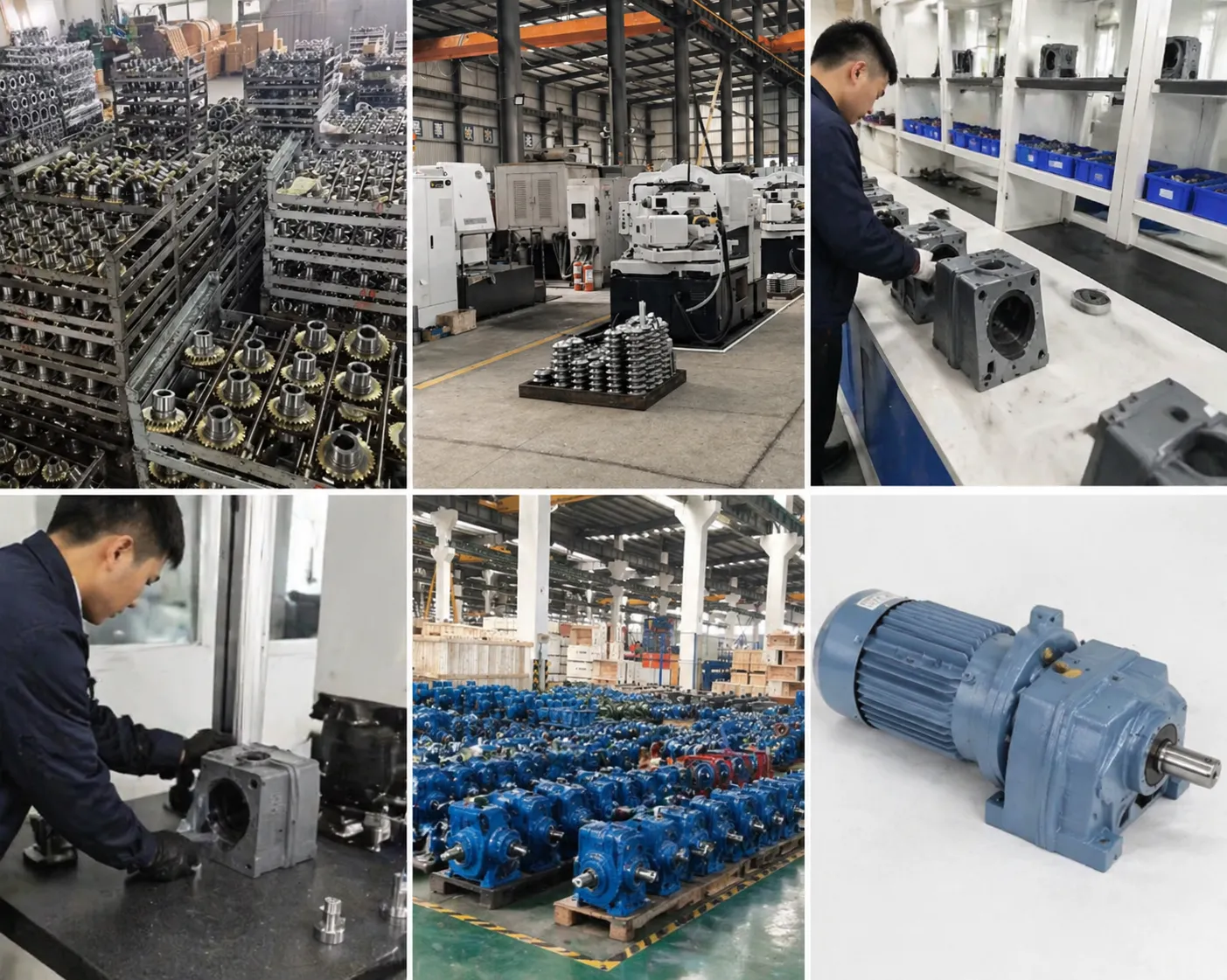
प्रश्न: क्या कोरिया एवर-पावर FU1000 वर्म गियर रिड्यूसर को बिना मशीनिंग के मौजूदा फेनर FU1000 फुटप्रिंट पर सही तरीके से फिट किया जा सकता है?
ए: मानक FU1000 यूनिट्स (1985 के बाद निर्मित फेनर) के लिए, जी हाँ — वर्म गियर रिड्यूसर फुट-माउंट बोल्ट पैटर्न, आउटपुट शाफ्ट की ऊँचाई, आउटपुट बोर का व्यास और मोटर फ्लेंज की स्थिति, ये सभी मूल FU विनिर्देशों से मेल खाते हैं। 1985 से पहले निर्मित यूनिट्स में कभी-कभी आयामों में थोड़ा अंतर हो सकता है; ऐसे मामलों में, यदि कोटेशन में उल्लेख किया गया हो, तो हम बिना किसी अतिरिक्त शुल्क के एक पतली मशीनीकृत एडेप्टर प्लेट प्रदान करते हैं। कृपया हमारी क्रॉस-आइडेंटिफिकेशन प्रक्रिया के अनुसार चार महत्वपूर्ण आयाम भेजें और हम शिपमेंट से पहले मिलान की पुष्टि करेंगे।
प्रश्न: क्या यह फेनर ब्रांड का असली उत्पाद है या बाजार में मिलने वाला कोई वैकल्पिक उत्पाद?
ए: यह कोरिया एवर-पावर द्वारा निर्मित एक आफ्टरमार्केट रिप्लेसमेंट है, जो मूल फेनर एफयू-टाइप के साथ आकार में पूरी तरह से मेल खाता है। हम फेनर-ब्रांडेड या जेके फेनर-ब्रांडेड पार्ट्स का उत्पादन नहीं करते हैं और इन यूनिट्स को मूल उपकरण के रूप में प्रस्तुत नहीं करते हैं। निर्माण मानक बीएस 721:1963 प्रेसिजन क्लास ए है - जो मूल के समान इंजीनियरिंग विनिर्देश है - लेकिन नेमप्लेट, सीरियल नंबर सिस्टम और वारंटी सभी कोरिया एवर-पावर के हैं। जिन संयंत्रों को मूल ब्रांड के पार्ट्स की आवश्यकता है, उन्हें सीधे फेनर पावर ट्रांसमिशन या इसके एफपीटी ग्रुप के अधिकृत वितरकों से संपर्क करना चाहिए।
प्रश्न: ठोस ढलाई वाले कांस्य पहिये के बजाय "सैंडविच-कास्टिंग" क्यों?
ए: वर्म गियर रिड्यूसर के लिए, सैंडविच कास्टिंग में स्टील हब के चारों ओर एक कांस्य वर्किंग रिंग लगाई जाती है, जिससे व्हील को कांस्य के दांतों के संपर्क गुण और स्टील हब-बोर की मजबूती दोनों मिलती हैं। मूल फेनर FU-प्रकार में शुरुआत से ही इस संरचना का उपयोग किया गया था - शाफ्ट-चालित टॉर्क के तहत बोर का बढ़ना और की-फ्लैंक फ्रेटिंग स्टील हब पर कांस्य हब की तुलना में बहुत कम होने की संभावना होती है। कोरिया एवर-पावर FU1000 भी इसी संरचना का अनुसरण करता है।
प्रश्न: निरंतर उपयोग वाले संयंत्र की वास्तविक न्यूनतम सेवा अवधि कितनी होती है?
ए: 90°C के तेल-स्नान में लोड की गई स्थिति में वर्म गियर रिड्यूसर गियर का न्यूनतम जीवनकाल 20,000 घंटे है — यह FU-प्रकार का मानक है, जिसकी पुष्टि हमारे स्वीकृति परीक्षण के दौरान प्रत्येक शिपमेंट लॉट के लिए की गई है। व्यावहारिक क्षेत्र सेवा में, SF=1.4 पर सिंथेटिक PAG स्नेहन और 4,000 घंटे के तेल अंतराल के साथ, कांस्य पहिया के घिसाव-सीमा प्रतिस्थापन तक पहुँचने से पहले 30,000-40,000 परिचालन घंटों की अपेक्षा की जा सकती है। तीन-शिफ्ट ड्यूटी पर यह लगभग 7-10 वर्ष है।
प्रश्न: FU1000 की तुलना FV700 (जो प्रतिस्थापन के रूप में भी उपलब्ध है) से किस प्रकार की जा सकती है?
ए: FU1000 वर्म गियर रिड्यूसर क्षैतिज रूप से फुट-माउंट किया जाता है (हाउसिंग के निचले भाग पर कास्ट फीट लगे होते हैं) और इसकी सेंटर दूरी 100 मिमी होती है। इसकी पावर रेंज 1.5–5.5 किलोवाट है। वहीं, FV700 वर्म गियर रिड्यूसर ऊर्ध्वाधर रूप से फ्लैंज-माउंट किया जाता है और इसकी सेंटर दूरी 70 मिमी होती है। इसकी पावर रेंज 0.55–2.2 किलोवाट है। ये दोनों परस्पर विनिमय योग्य नहीं हैं — इनके माउंटिंग पैटर्न और पावर रेंज पूरी तरह से भिन्न हैं। फुट-माउंट कन्वेयर और रॉ मिल के लिए FU का उपयोग करें, जबकि वर्टिकल-एक्सिस पंप और मिक्सर ड्राइव के लिए FV का उपयोग करें।
प्रश्न: क्या FU1000 झुकी हुई कन्वेयर पटरियों पर उपयोग के लिए बैकस्टॉप को स्वीकार करता है?
जी हाँ। वर्म गियर रिड्यूसर वर्म शाफ्ट इनपुट पर रोलर-क्लच बैकस्टॉप फैक्ट्री-फिट विकल्प के रूप में उपलब्ध है; यह बिजली जाने पर भी रिवर्स गियर को पूरी तरह से रोके रखता है, जो झुके हुए कन्वेयर और बकेट एलिवेटर के लिए आवश्यक है, जहाँ लोड के कारण होने वाला रिवर्स रोटेशन डिस्चार्ज एंड को नुकसान पहुँचा सकता है। ऑर्डर करते समय इसका उल्लेख करें; फील्ड में भी इसे लगाया जा सकता है, लेकिन इसके लिए गियरबॉक्स को खोलना पड़ेगा।
प्रश्न: प्रत्येक FU1000 रिप्लेसमेंट के साथ कौन-कौन से दस्तावेज़ भेजे जाते हैं?
ए: फ़ैक्टरी परीक्षण रिकॉर्ड (क्यूसी निरीक्षक द्वारा हस्ताक्षरित और वर्म शाफ़्ट हीट-ट्रीटमेंट बैच और ब्रॉन्ज़ व्हील कास्टिंग हीट से संबंधित); इंस्टॉलेशन और कमीशनिंग शीट; लुब्रिकेंट एसडीएस; आईएसओ 9001:2015 विनिर्माण प्रमाणपत्र; सीई अनुरूपता घोषणा। ब्रॉन्ज़ व्हील और वर्म शाफ़्ट के लिए सामग्री प्रमाणपत्र अनुरोध पर बिना किसी अतिरिक्त शुल्क के जारी किए जाते हैं। केएस-चिह्नित एंड-मशीन असेंबली के लिए आवश्यक कोरियाई खरीदारों के लिए केएस संदर्भ दस्तावेज़ उपलब्ध हैं।
प्रश्न: FU1000 का प्रतिस्थापन कोरिया में कितनी जल्दी पहुंच सकता है?
ए: सामान्य अनुपातों (i=15, 20, 30, 40, 50) वाले मानक FU1000 वर्म गियर रिड्यूसर फ्रेम आमतौर पर हमारे कोरियाई बफर वेयरहाउस में स्टॉक में उपलब्ध होते हैं और अधिकांश औद्योगिक शहरों में 2-5 कार्यदिवसों में इनकी डिलीवरी हो जाती है। कस्टम बोर, बैकस्टॉप, विशेष पेंट, ATEX प्रमाणन जैसे ऑर्डर पर निर्मित फ्रेम हांग्ज़ौ स्थित संयंत्र से 3-4 सप्ताह के लीड टाइम में भेजे जाते हैं। छोटे फ्रेम के ऑर्डर के लिए, यदि लाइन ठप हो गई हो तो इंचियोन से एयर फ्रेट की सुविधा उपलब्ध है।
भारी उद्योग में FU1000 के प्रतिस्थापन के केस स्टडी
नीचे दी गई रिपोर्टें उन प्रोक्योरमेंट इंजीनियरों, प्लांट मेंटेनेंस लीड्स और वर्म गियर रिड्यूसर ओईएम सर्विस कॉन्ट्रैक्टरों से प्राप्त हुई हैं जिन्होंने पिछले 12-18 महीनों में कोरिया, भारत, वियतनाम और थाईलैंड में FU1000 रिप्लेसमेंट यूनिट्स को स्पेसिफाई या इंस्टॉल किया है। जहां ग्राहकों ने लिखित अनुमति दी है, वहां फ्रेम साइज, रेश्यो, रिप्लेस किए गए ओरिजिनल ब्रांड और ऑपरेटिंग संदर्भ को वर्म गियर रिड्यूसर सर्विस डिटेल के साथ हूबहू संरक्षित किया गया है।
पार्क मिन-जूनपोहांग स्टील मिल स्क्रैप हैंडलिंग लाइन के प्लांट मेंटेनेंस लीड (Q1 2026)
पिछले साल गर्मियों में नियोजित शटडाउन के दौरान स्क्रैप-कन्वेयर हेड पुली लाइन पर लगे 1990 के दशक के छह फेनर FU1000 i=30 यूनिट्स को बदला गया। मूल ब्रांड के स्पेयर ब्रॉन्ज़ व्हील्स की डिलीवरी में 12 सप्ताह का समय लग रहा था और इनकी कीमत कोरिया एवर-पावर गियरबॉक्स की पूरी यूनिट कीमत से तीन गुना अधिक थी - इसी तुलना ने खरीद प्रक्रिया को प्रभावी रूप से निर्धारित किया। पांच महीने बाद, तेल का तापमान 71 डिग्री सेल्सियस पर स्थिर है और मोटर का करंट ड्रॉ पुराने यूनिट्स के बराबर 5% है।
ली जी-वू, सीमेंट प्लांट इंजीनियर, योंगवोल सीमेंट वर्क्स (Q4 2025)
"रॉ-मिल आउटफ़ीड और क्लिंकर-कूलर इंडेक्सर ड्राइव में बारह FU1000 i=40 इकाइयाँ लगी हुई हैं। मूल इकाइयाँ 1980 के दशक की असली फेनर और स्थानीय स्तर पर पुनर्निर्मित प्रतियों का मिश्रण थीं - नामपट्टियाँ एक जैसी नहीं थीं और हमें विश्वसनीय रूप से मेल खाने वाले स्पेयर पार्ट्स नहीं मिल पा रहे थे। कोरिया एवर-पावर FU1000 ने बैकस्टॉप लगाकर पूरे बेड़े को एक ही विनिर्देश पर मानकीकृत कर दिया। सीमेंट की धूल वाले वातावरण में, आठ महीने बाद भी, किसी भी इकाई में सील से रिसाव नहीं हुआ है।"
सुज़ुकी केनजीखनिज प्रसंस्करण अभियंता, होक्काइडो चूना पत्थर खदान (2025 की तीसरी तिमाही)
"हमारे रिक्लेम स्टॉकपाइल में स्क्रैपर-बार कन्वेयर को चलाने के लिए बैकस्टॉप सहित आठ FU1000 i=50 मशीनें लगी हैं। सेल्फ-लॉकिंग रेशियो और पॉजिटिव बैकस्टॉप का कॉम्बिनेशन सबसे महत्वपूर्ण सुरक्षा विशेषता है - हमारे दूरस्थ स्थल पर बिजली की आपूर्ति में उतार-चढ़ाव आम बात है और हम 6 टन के स्क्रैपर के पलटने का जोखिम नहीं उठा सकते। चौदह महीने बीत चुके हैं और अभी तक कोई रिवर्स-रोटेशन की घटना नहीं हुई है। कोरियाई स्टॉक की उपलब्धता के कारण मूल डिलीवरी समय, जो कि 4 दिन था, संभव हो पाया।"
नारी वट्टानाप्रोसेस इंजीनियर, सरबुरी शुगर मिल (2025 की तीसरी तिमाही)
"पिछली ऑफ-सीज़न मरम्मत के दौरान गन्ने की पेराई मशीन के फीड-टेबल ड्राइव पर चार FU1000 i=20 इंजन लगे थे। मूल फेनर्स इंजन 1992 में मिल के चालू होने के बाद से चल रहे थे और कांस्य के पहियों की मरम्मत करना अंततः आर्थिक रूप से संभव नहीं था। कोरिया एवर-पावर द्वारा निर्मित नए इंजन मूल फॉस्फोर कांस्य विनिर्देशों से मेल खाने वाले सामग्री प्रमाणपत्रों के साथ आए - जो हमारे निवारक रखरखाव ऑडिट पैक के लिए महत्वपूर्ण है।"
गुयेन वैन हाईरखरखाव प्रमुख, हाई डुओंग फीड मिल (2025 की तीसरी तिमाही)
बकेट एलिवेटर बूट ड्राइव पर तीन FU1000 i=60 यूनिट लगाई गईं - ये मूल JK Fenner यूनिटों की जगह लगाई गईं जो 2002 से लगातार चल रही थीं। क्रॉस-रेफरेंस डाइमेंशनल चेक से पता चला कि फुट बोल्ट पैटर्न, आउटपुट बोर और मोटर फ्लेंज बिल्कुल मेल खाते हैं। इंस्टॉलेशन टीम ने एक ही शिफ्ट में तीनों यूनिट बदल दीं। छह महीने बाद भी, नाइट शिफ्ट से शोर या कंपन की कोई शिकायत नहीं मिली है।
हान डो-यूनओईएम डिज़ाइनर, डेगू बल्क-हैंडलिंग उपकरण निर्माता (2025 की चौथी तिमाही)
"हमने अपने नए मिनरल-फाइन रिक्लेमर उत्पाद श्रृंखला में बैकस्टॉप के साथ FU1000 i=40 को मानकीकृत किया है। पहले बैच में आठ यूनिट तैयार की गईं। कोरिया की एवर-पावर आपूर्ति श्रृंखला ने समय की देरी के बिना हमारी व्यस्त सीजन की मांग को पूरा किया - पहले मूल ब्रांड से आपूर्ति करने के कारण हमारी निर्माण तिथियों में बार-बार 3-4 सप्ताह की देरी हो रही थी।"
ट्रान थी माईप्रोक्योरमेंट इंजीनियर, बिएन होआ रबर-प्रोसेसिंग प्लांट (Q1 2026)
"रबर मिल के मिक्सिंग-रोल सहायक ड्राइव पर पांच FU1000 i=30 यूनिटें लगाई गई हैं - ये उन मूल यूनिटों की जगह ले रही हैं जो 1998 में संयंत्र खुलने के बाद से सेवा दे रही थीं। शिपमेंट से पहले आयामी पैक और सामग्री प्रमाण पत्र जारी किए गए थे, जिन्हें हमारी ISO ऑडिट टीम ने मूल ब्रांड दस्तावेज़ों के बदले स्वीकार्य पाया। लगातार 22 घंटे प्रतिदिन काम करने के बाद, चार महीने में कोई थर्मल समस्या या तेल स्तर का अलार्म नहीं बजा।"
अतिरिक्त जानकारी
| संपादक | सीएक्सएम |
|---|
संबंधित उत्पाद
-
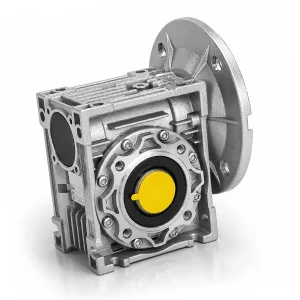
आउटपुट फ्लेंज सहित EP-NMRV एल्युमिनियम वर्म गियरबॉक्स | RV-सीरीज़ वर्म गियर रिड्यूसर
-
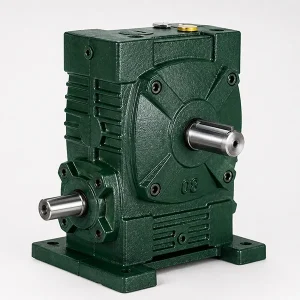
WPWA वर्म गियरबॉक्स | क्षैतिज फ्लेंज-इनपुट WP सीरीज वर्म रिड्यूसर
-
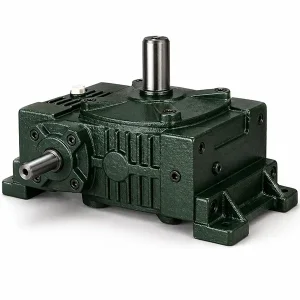
WPWO वर्म गियरबॉक्स | आउटपुट-फ्लेंज WP सीरीज वर्म रिड्यूसर
-
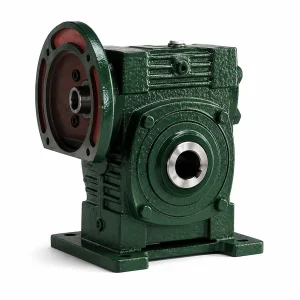
WPWDKS वर्म गियरबॉक्स | वर्टिकल-इनपुट WP सीरीज़ वर्म रिड्यूसर
-
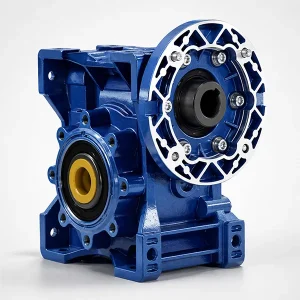
MRV050 वर्म गियर रिड्यूसर | वर्म गियरबॉक्स